How do you describe your own art practice?
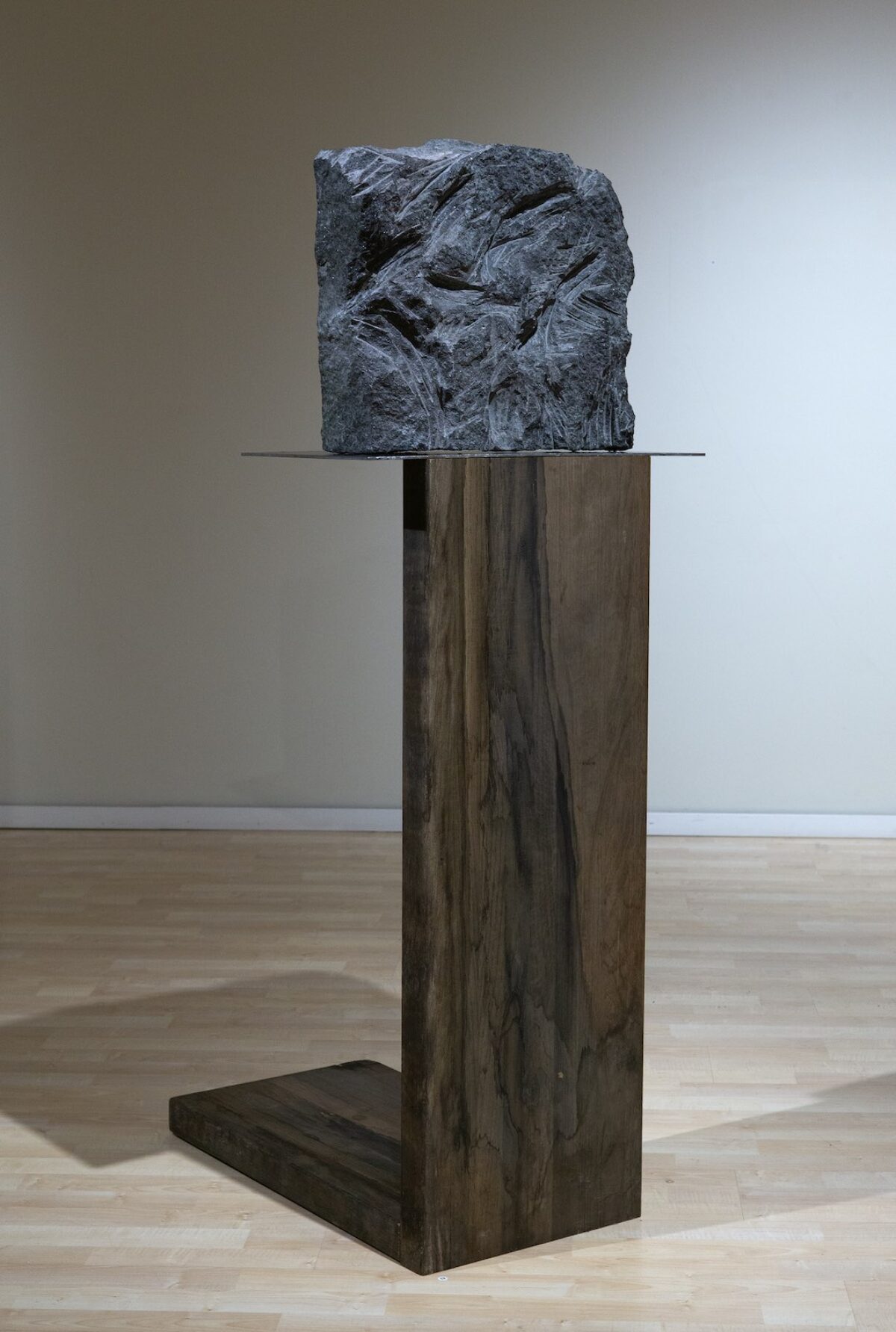
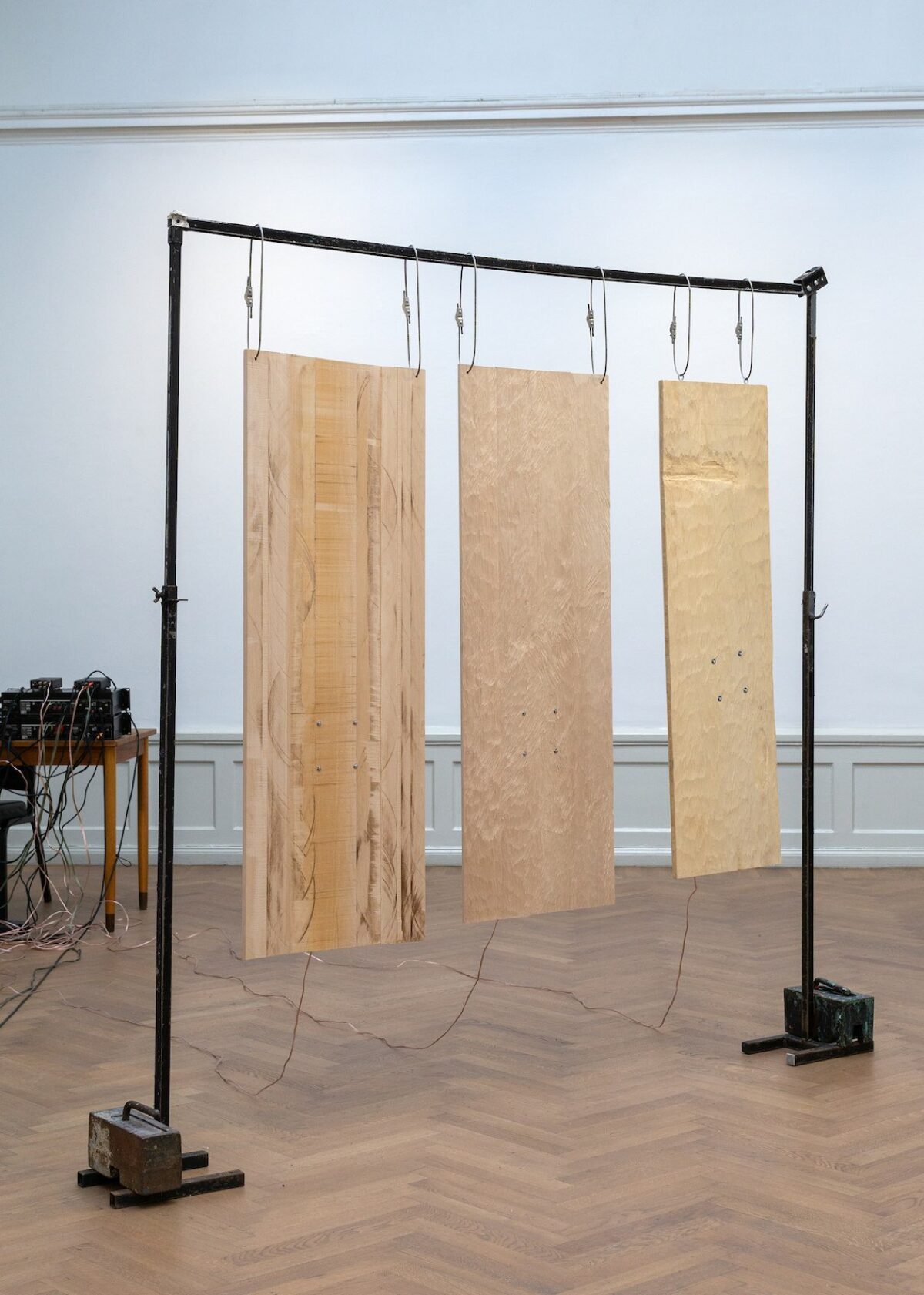
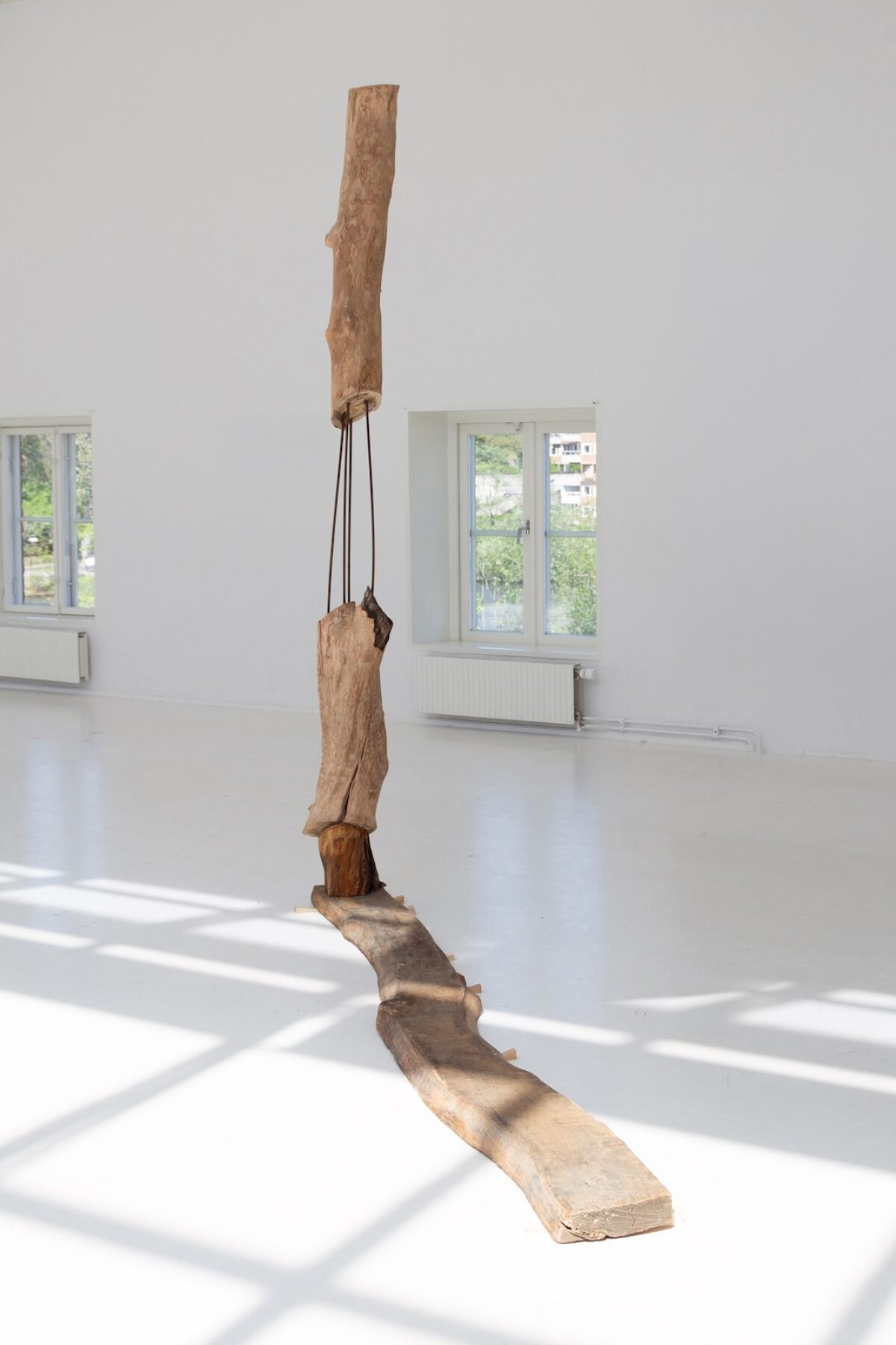
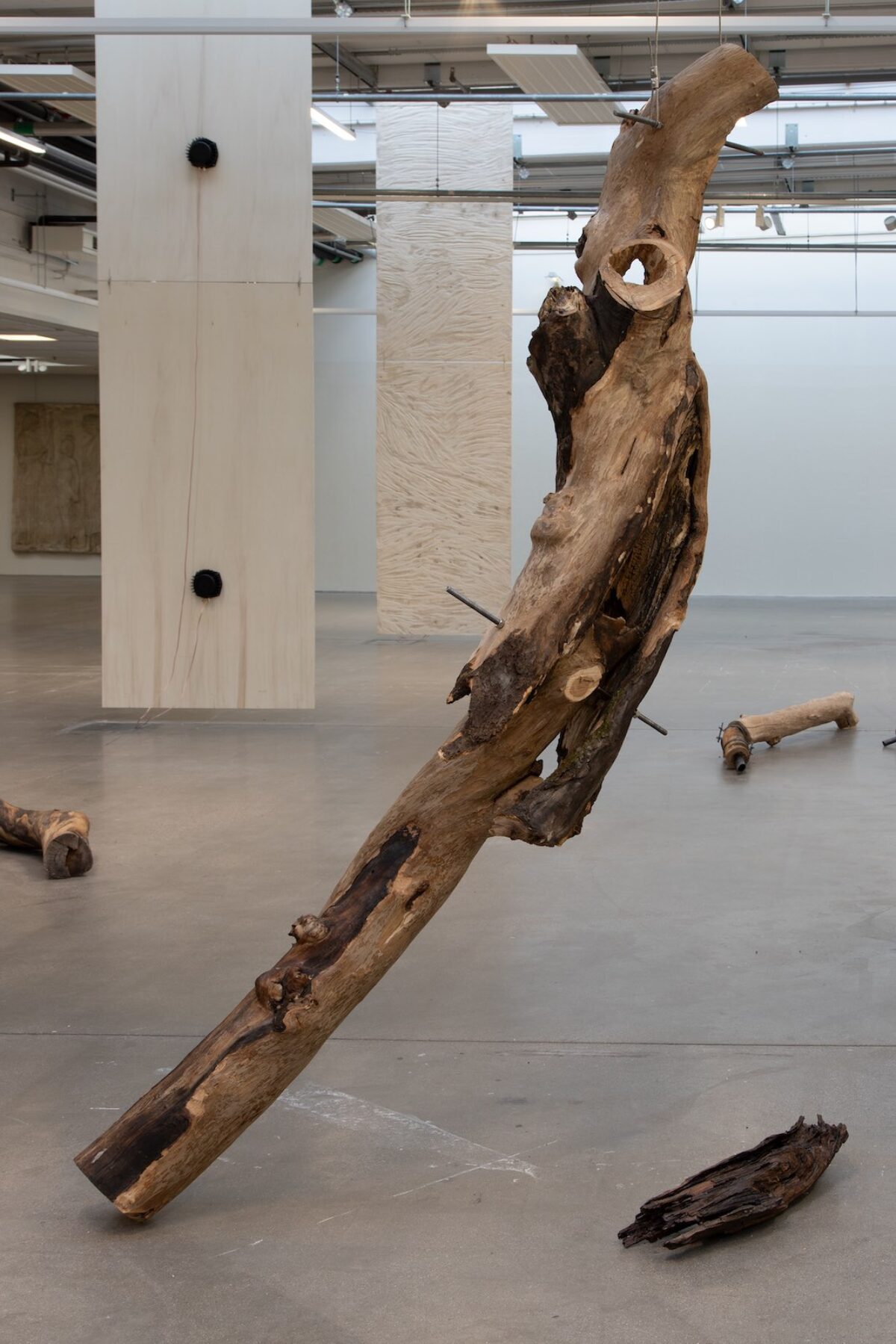
A constant in my work has been engaging with the body and its movements. Coming from a dance background, an intuitiveness and need to move has filtered through my practice. Guided by a curiosity for material, my practice spans sculpture, text, printmaking, video, performance, sound and installation. This has led to processes of carving wood and stone, constructing sculptures in tension, and experimenting with feedback and resonance through wooden membranes. The motion of carving and removing has helped to question the histories attached and reflect on a personal archive of experiences.
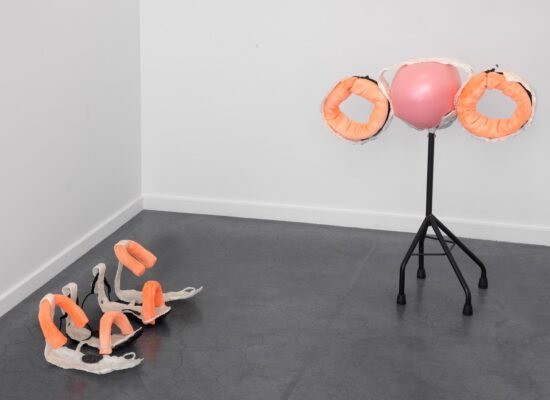
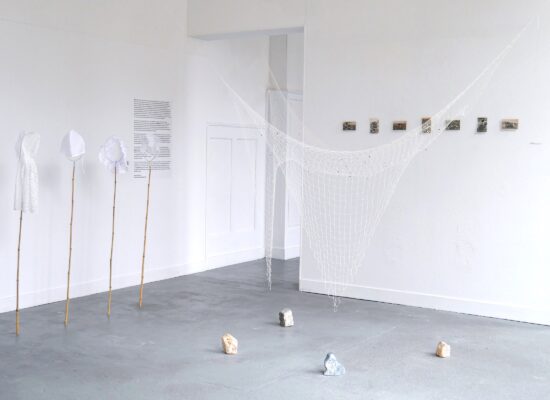
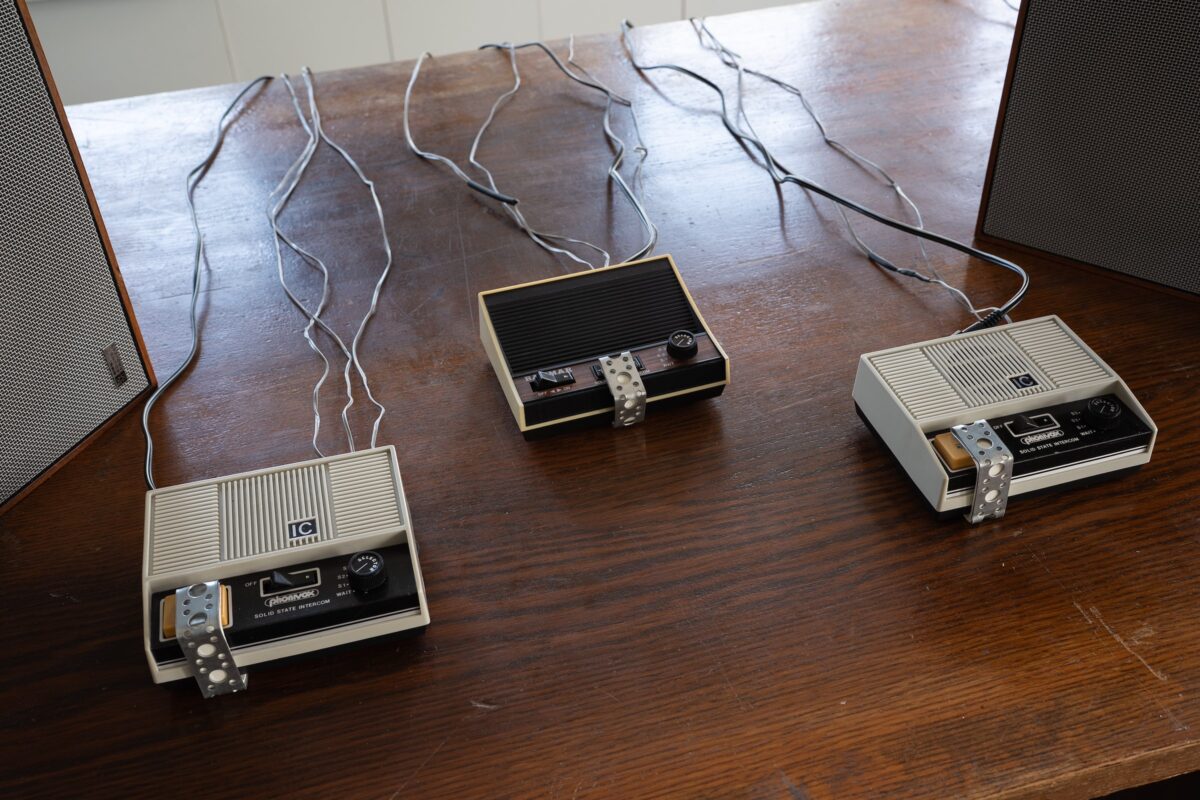
Recently, I have entered a change in my work that I have long anticipated. I have started to extend my understanding of the body by considering how the bodily experience is shaped by the social architectures and environments we inhabit. Within this, sound has become essential due to its flexibility and abstractness, interlacing performance, sculpture and installation. It allows the work to continuously shift form depending on the material it resonates through and the space it occupies.
Which question or theme is central in your work?
I am often led by open-ended questions, wondering how the body’s language informs and alters the materiality and vice versa.
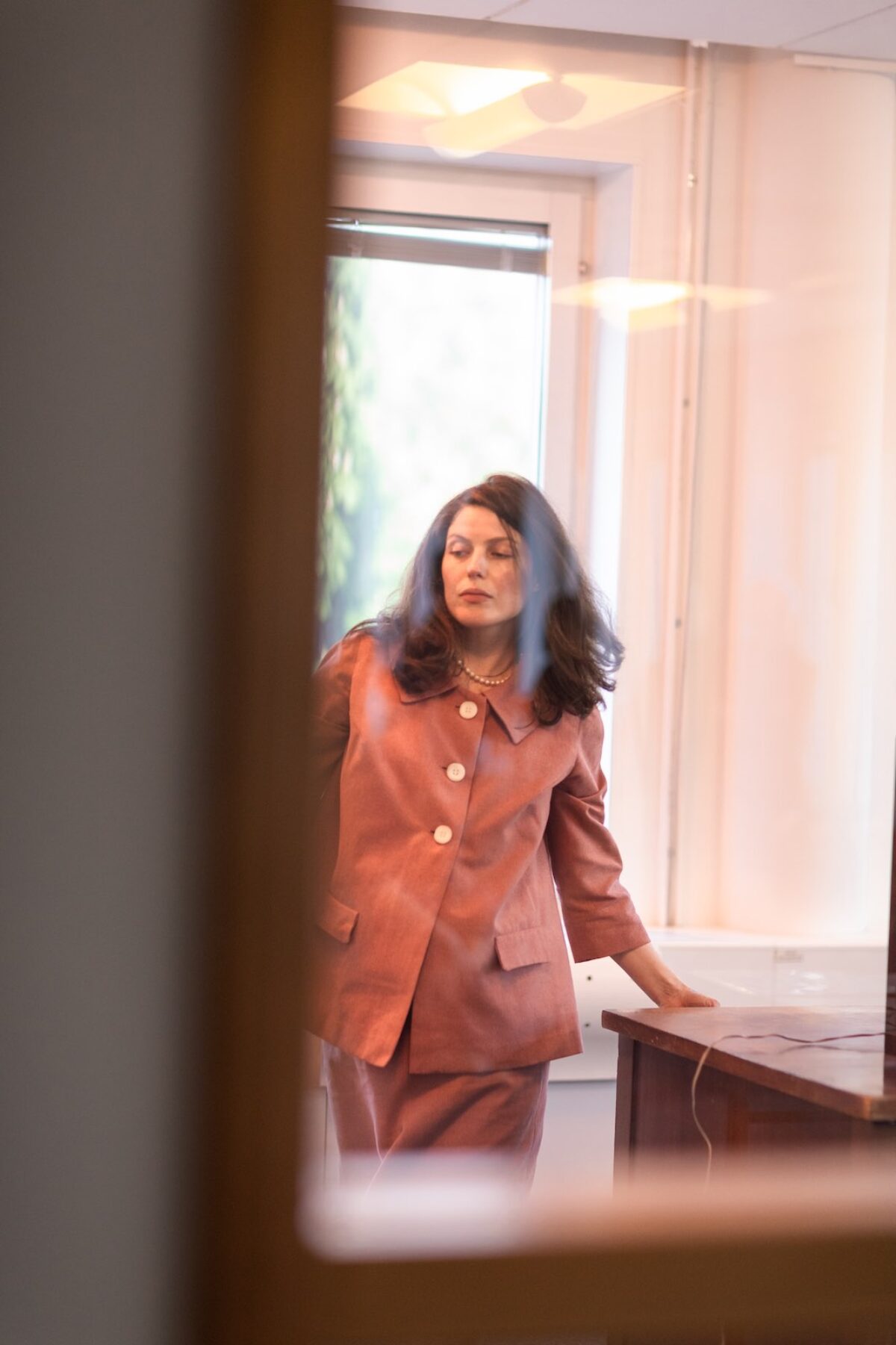
An ongoing thought that I have been contemplating is how to develop a performance that expresses my voice. Performance has been a recurring method in my practice due to its spontaneity, movement and immersiveness of connecting to the experience. In many ways, this medium allows me to engage with play and uncover various routes to comprehend the underlying motive in my work.
What was your first experience with art?
Playing in my father’s art studio in the basement of our home, I gravitated towards the air compressor and hot glue gun, gluing scraps of trapezoid wooden blocks together. One Halloween I wanted to be a wooden mountain. I felt proud to be included, alongside my older sister, painting the wooden dowels of his frames in a bright turquoise and yellow. Looking back, I realize how the creating process and structure of the studio, as well as my father’s work ethic made a lasting impression.
What is your greatest source of inspiration?
This comes in waves depending on what I’m learning, the time and daily situation. When I encounter unfamiliar questions, tunnel vision assists with modes of collecting, researching and problem solving. I enjoy sources that invite chance and unexpected connections, such as flipping through the pages of “Curiosity and Method: Ten years of Cabinet Magazine”.
What do you need in order to create your work?
I need tidiness, a structured room, an hour or two after a few hours of distraction and energy. Usually, when I start a new work, I organize and empty the space before the accumulation begins. I clean and mop the floor, a sort of ritual when starting new. The motion is meditative or perhaps a form of procrastination, but I find that moving stimulates my creativity.
What work or artist has most recently surprised you?
Lately, I have been diving into comedy TV series and films that engage with the workplace and ideas of labor, performativity and productivity. This has included revisiting Charlie Chaplin’s masterpiece “Modern Times” (1936), as well as my childhood icon, Lucille Ball in the 50’s sitcom “I Love Lucy”.
While researching background music used in factories, shopping malls and office spaces, a friend recommended the West German sci-fi cult film Decoder (1984) directed by Muscha. The film stood out to me for how it encapsulates the absurdity of Muzak music – designed for commercial spaces to stimulate worker productivity, increase output and ultimately profit.