How do you describe your own art practice?
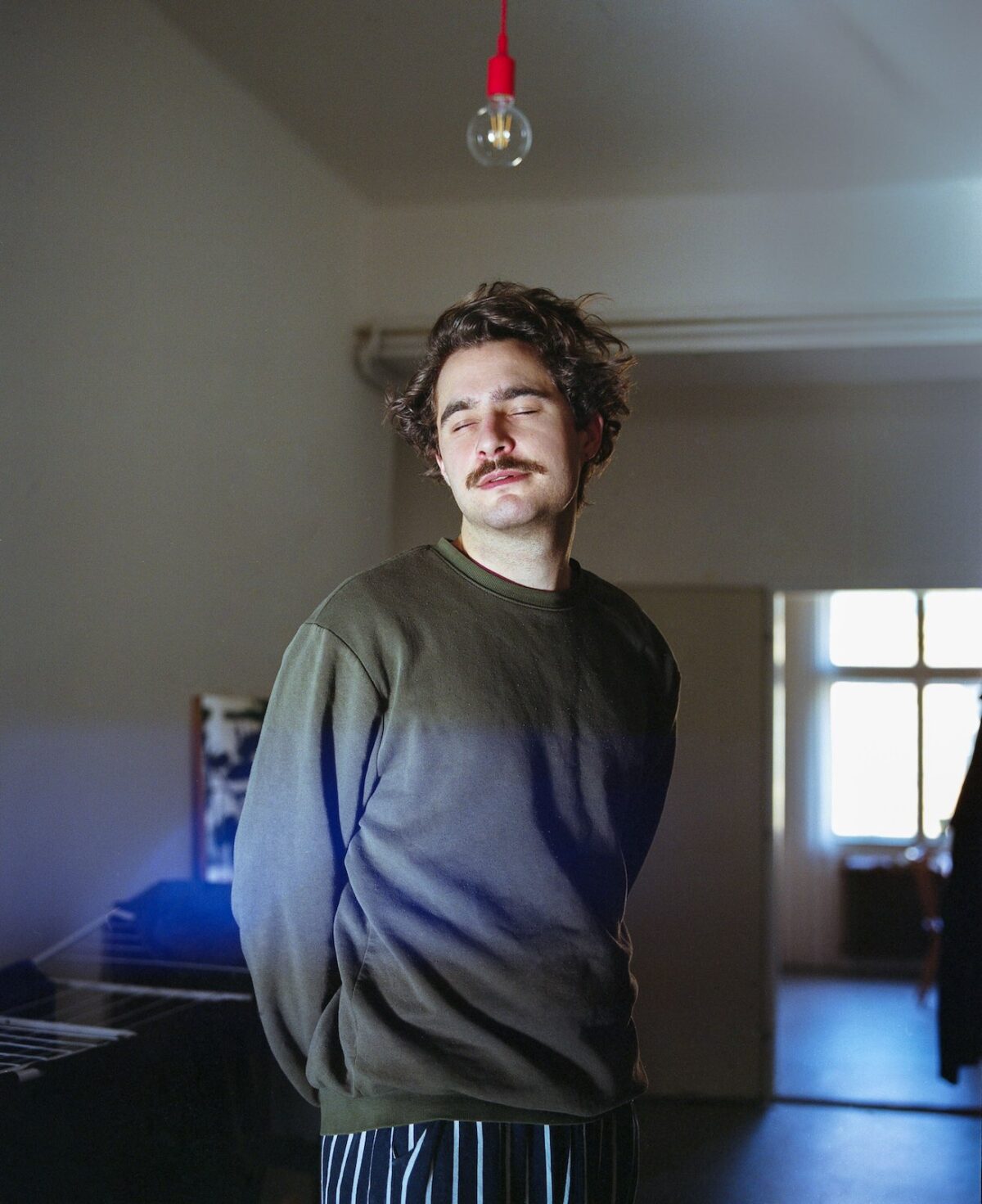
My work moves between documentary observation, conceptual thinking and image-making rooted in atmosphere and stories. This approach can be applied to anything I do. I’m drawn to incompleteness and to the tension between what is revealed and what remains unresolved. The idea of the fragment is central to the way I think – how individual fragments, when placed next to one another, can create an entirely new narrative or emotional meaning. That’s why I like to think of myself more as a collector than a traditional photographer.
I often think of images in a way that is very close to writing. Visual language, similarly to words, carries its own rhythm, symbolism, emotional codes. I’m fascinated by how meaning is constructed through association and sequencing, and by the way images can function almost like sentences within a larger narrative.

Which question or theme is central in your work?
Belonging and the themes of home and identity tied to it. I’m interested in what makes us human and how we connect to each other; how the places we inhabit shape our identities and emotional lives.
What was your first experience with art?
Through music, anything visual came much later.
My grandfather used to play classic rock’n’roll and 1960s records whenever he babysat me as a child. We would dance to them in his living room, and later on, he would try to teach me some of the songs on guitar and make mixtapes for me. Music is still essential to my process – I make playlists for every project I work on.

What is your greatest source of inspiration?
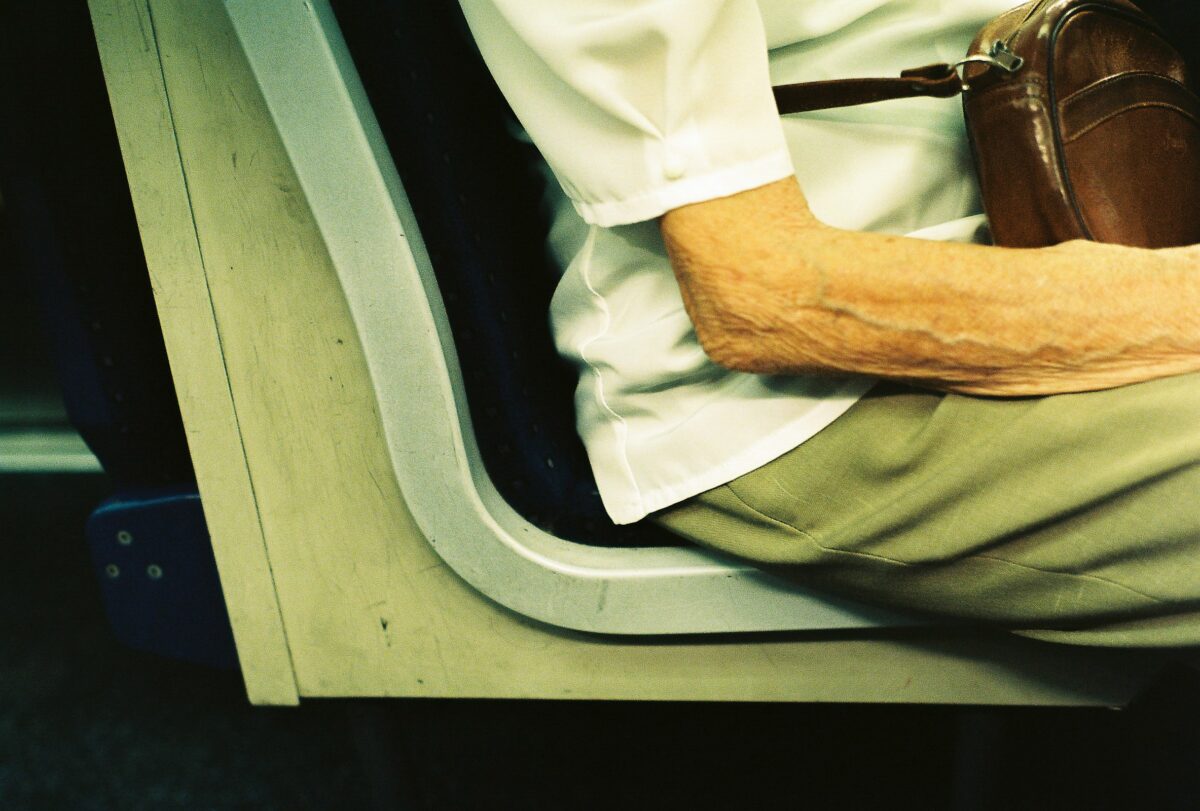
Inspiration can be found in anything: the way someone’s hand holds a glass of wine, an empty plastic bag being swept by the wind, the particular shade of blue the sky has at 6.30am. It can come from a chance conversation with a stranger, an exhibition you’ve seen, a book, or a film that stirred something within you and stayed there.
For me, it ultimately comes down to observation, openness, active listening, and being fully present. My notebooks are full of small observations, fragments of conversations, and moments I don’t want to forget.
What do you need in order to create your work?
I need both solitude and freedom as much as experiences that disrupt the calm. Space to observe, think, wander, and remain attentive to the world around me. At the same time, my work depends on being emotionally engaged with life and with other people. It’s a balance between retreat and connection. I feel like I’m constantly somewhere between these two places.
What work or artist has most recently surprised you?
I recently got my hands on a photobook Another Online Pervert by Brea Souders, which I found incredibly unsettling and intelligent in the way it navigates intimacy, loneliness, and projection within online spaces.
I was also deeply moved by the HBO series Station Eleven. What stayed with me most was the way it approaches the disappearance of the internet and social media. Not simply as a technological collapse, but as the disappearance of a certain collective consciousness as archive of everyday human existence. There’s something haunting and simultaneously cleansing in the idea that all these small traces of ourselves suddenly vanish.
I also loved how strongly the series draws on Shakespeare and the idea that art survives catastrophe. Even in the middle of collapse, people still feel the need to perform, tell stories and search for meaning within them.