How do you describe your own art practice?
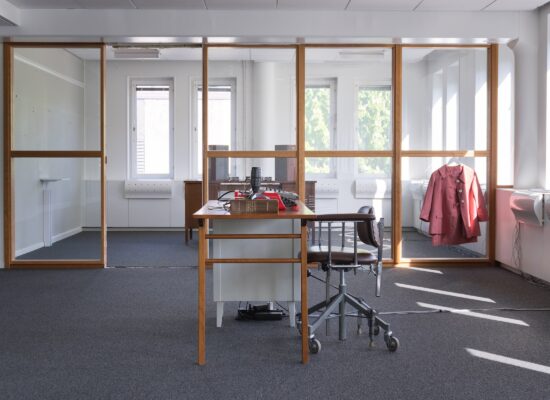
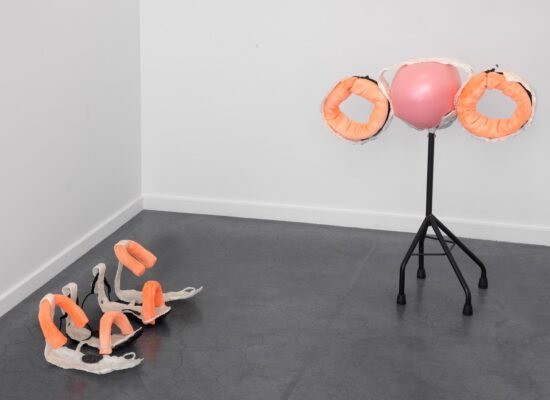
I would describe my practice as a research based exploration of feminine culture, often connected to old dutch traditions. I work with objects, installations, and text to reflect on practices that have long structured women’s lives, especially forms of domestic labour and craft that are often overlooked. For me, materials act as carriers of knowledge, shaped by use, time, and transmission, so I pay close attention to everyday actions and traditions to reveal the cultural and ritual meaning they hold. Archival research plays an important role in my work, as it allows me to uncover hidden histories and reinterpret them through a contemporary feminist lens, often developing speculative narratives from these findings. Coming from a background in contemporary jewelry, I am interested in questioning ideas of beauty, value, and gender, while bringing together personal experience and collective memory. In my work, material and body become closely connected, where objects hold traces of memory and small, intimate gestures transform into shared rituals that invite reflection on care, heritage, and embodied female legacies.

Which question or theme is central in your work?
A central question in my work is how gestures passed down generations from woman to woman, carry meaning across time, and how they shape both personal and collective histories. I am interested in how seemingly mundane, small actions hold cultural knowledge, and how these practices can be re-read, re-interpreted and reactivated through a contemporary feminist lens.

What was your first experience with art?
I think the first time I really felt what art could be was during one of my first classes in the pre course at The Gerrit Rietveld Academie. We were asked to quickly make something out of random found materials based on an insecurity. I ended up making a wearable object out of foam and spiky branches that physically restricted me, so I could not push my belly out and had to hold my posture. It was the first time I translated something so personal into a material form, and it made me suddenly see how an object can exist in space, how it relates to the body, and how it can carry meaning. What stayed with me from that moment is the sense of playfulness and that kind of click, when you are just experimenting and then suddenly everything aligns. I still try to hold onto that in my work.
What is your greatest source of inspiration?
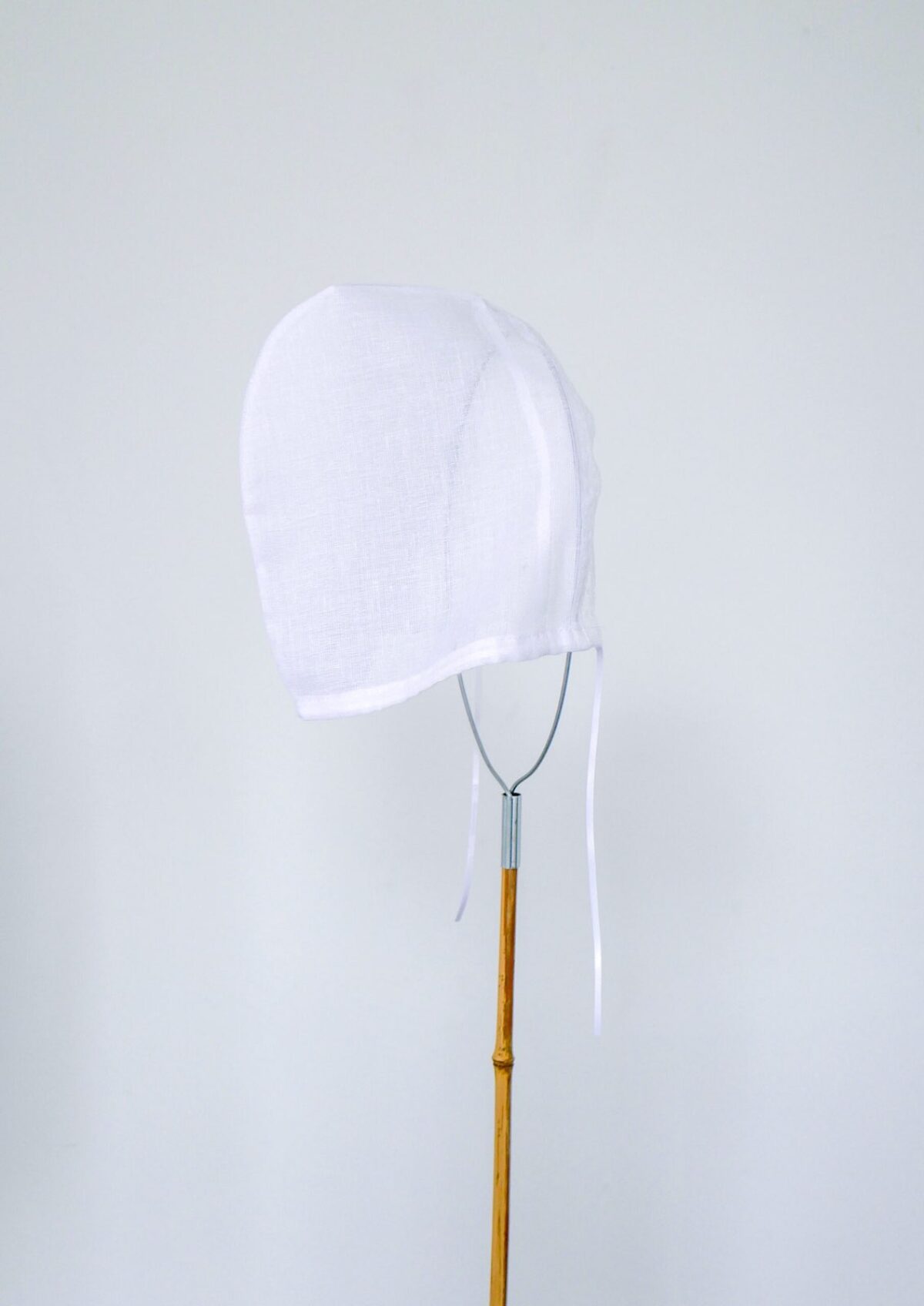
Researching within my own family lineage of women, diving into stories told by my grandmothers, and going on a kind of quest to uncover unresolved mysteries, is a big part of my inspiration. I spend time looking for photographs and written traces in regional archives, but also in our own boxes of inherited images, some dating back to the early nineteenth century. Seeing all these women before me, who I will never meet, their regional clothing, jewellery, hairstyles, and the places they lived in, inspires me deeply and slowly finds its way back into my work. For example, my great grandmother lived on a mill that still exists, one I used to cycle past as a child without ever knowing it was part of my own family history, where they lived for around forty years. Finding photographs of my family there, together with that specific landscape of the polder, gives me a strong sense of connection across time to people I have never met but share something with, people who in a way shaped who I am and maybe even passed on certain traits. I also find myself drawn to the materials that surrounded them in their daily lives, age-old tools we don’t use anymore, dried and stacked bundles of reed, embroidered textiles, regional lace bonnets, all of which continue to resonate in my work.

What do you need in order to create your work?
I need to dive into a rabbit hole of something very specific, a story, an object, a technique, a material, just something I have no knowledge of yet and want to know everything about. The fun in this research gives me the urge to create and translate all that knowledge into materials and visual work.

What work or artist has most recently surprised you?
I went to see Klára Hosnedlová’s newest work Embrace at Hamburger Bahnhof in Berlin last October, and it really blew me away. The whole experience of entering that large hall was incredibly immersive, with old used club speakers spread throughout the space, each playing a different monologue or song. There were tapestries made of flax reaching up to nine meters high, alongside site specific objects, organic reliefs, and embroideries of images from earlier performances that at first glance looked like detailed paintings. What really stayed with me was the depth of connection to Czech heritage, in the materials, the sound, and the imagery. Everything was woven together with fictional and speculative elements in a way that felt both grounded and imaginary.
That contrast between old and new, between traditional materials and contemporary techniques, or the other way around, is something I also feel drawn to in my own work. I like searching for that tension, where different timelines and ways of making come together and start to speak to each other.

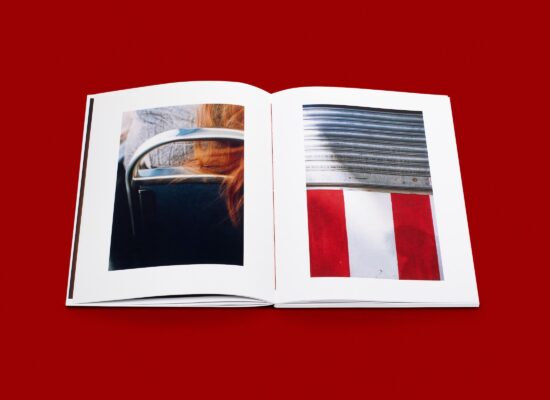
In 2026, Alma Teer published the zine Bread & Bones, that moves between body and earth, nourishment and decay. It traces the gestures of women’s hands: kneading dough, mending bones, grinding grain, where care and ritual meet. Bread is shaped for offerings, celebrations, and rites of passage, while bones are burned, buried and adorned on the body. Both mark thresholds between the sacred and the everyday. Bones are broken in gestures of good luck and fortune, as bread is broken in sharing and quiet sanctity. Discovering these hidden intersections, what first appears as a strange combination, reveals an ancient intimacy between sustenance and structure, touch and transformation.
Bread & Bones is available here.