How do you describe your own art practice?
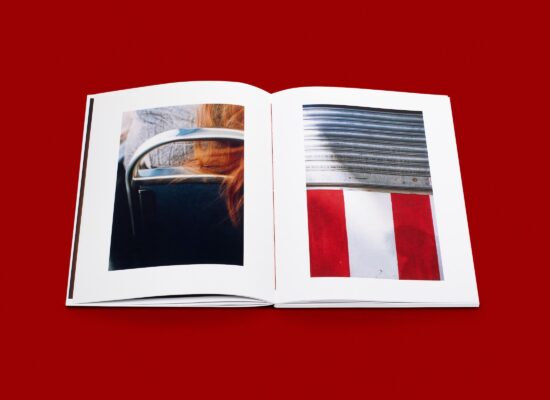
Coming from the Academy of Fine Arts, my approach is related to manual skills; dealing with photography I have translated this interest into the form of editorial production, from concept to maquette to the industrial production of the book. I work on my personal photographic projects, flank them and residency projects, and develop declinations of them for publishing; I love very much the structure of the minimal book, or the fanzine, which recovers a space of expressive freedom denied to more onerous productions. At the same time, with the publishing house Départ Pour l’Image, of which I am a co-founder, I work on books by other authors that fascinate me and try to highlight and translate the other’s artistic personality.
Which question or theme is central in your work?
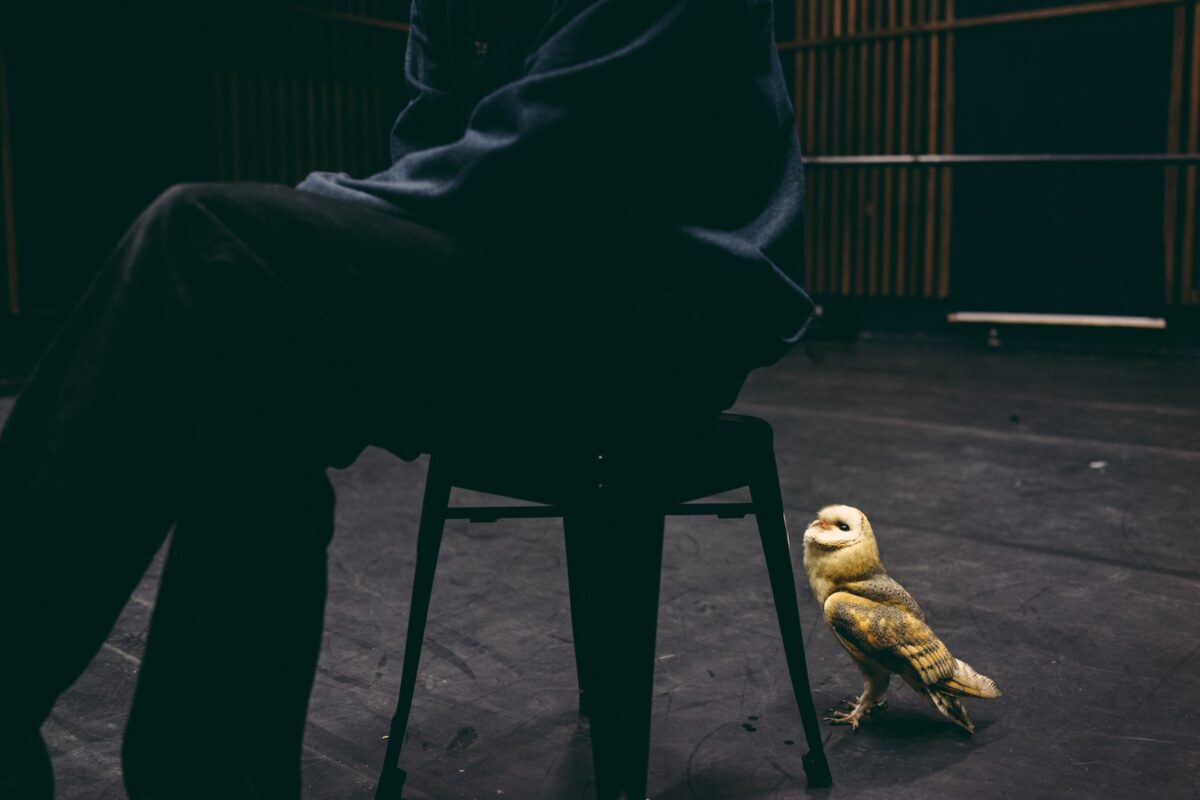
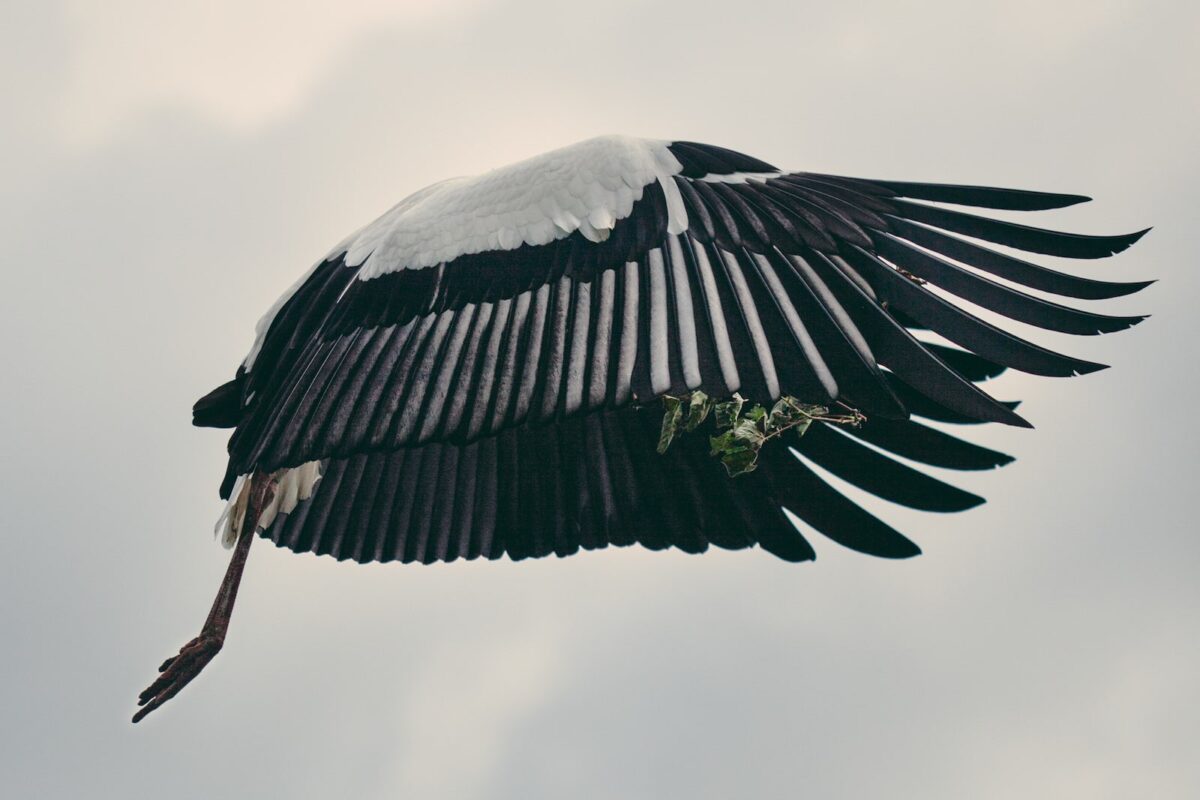
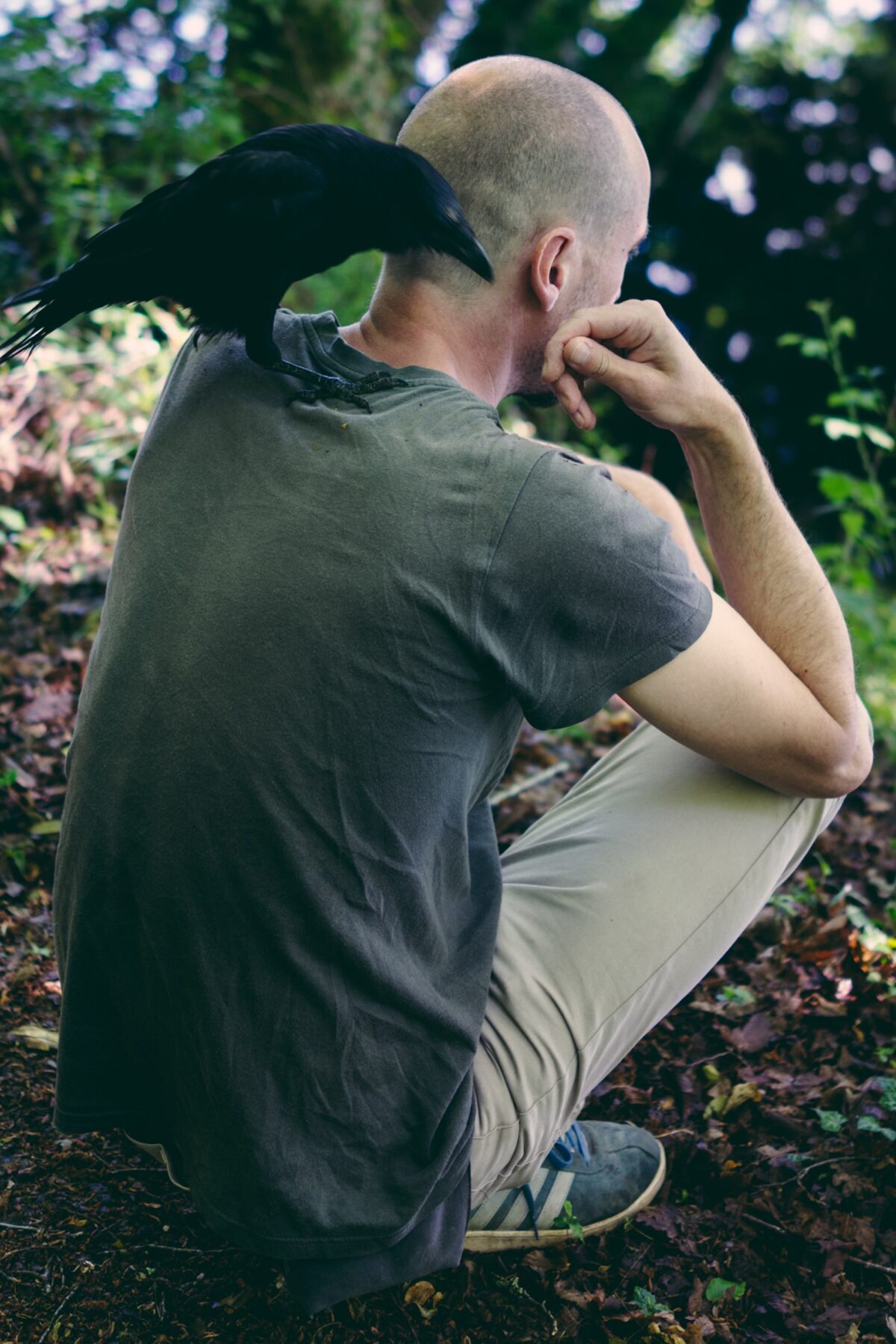
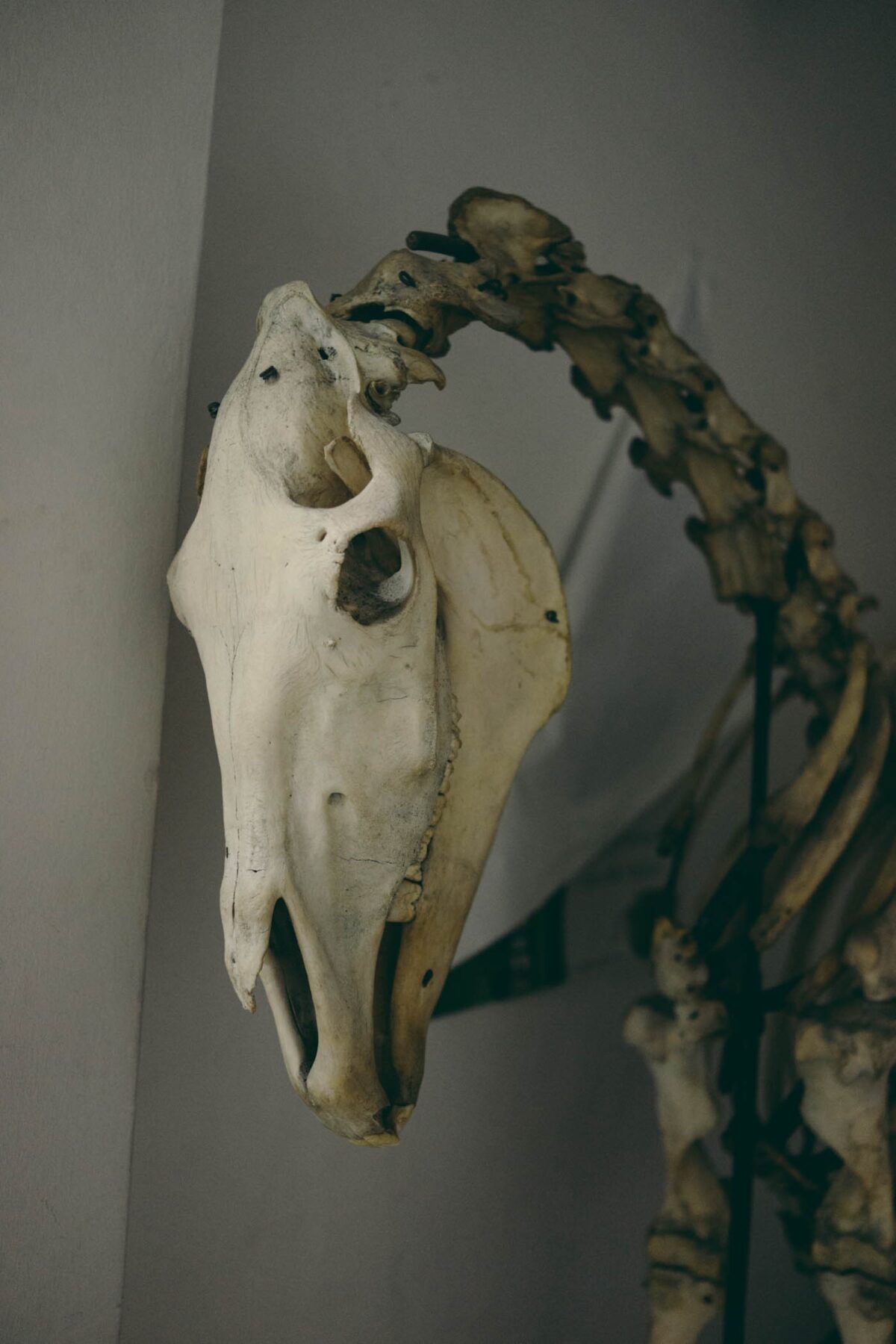
Even when I think my interest in a research question is directed toward other areas, I come across stories concerning humans’ belonging to the animal world. I find that reflection around this relationship is fundamental to my thinking about humanity. As we experienced in Ancient Greece and even earlier in prehistoric caves: what are we doing here? What is our role as a species?
What was your first experience with art?
In the basement where the girl who used to babysit me lived, I first saw a drawing as big as the wall, a giant Snoopy, I was 6 or 7 years old. That day when I came home, knowing that it was forbidden to draw on the wall, I used transparent butter lip balm to draw a huge sun on the yellow wall of my room. Unfortunately, I got caught, but I haven’t stopped since.
What is your greatest source of inspiration?
Anything can become a source, I do not believe in inspiration, but I believe in the pleasure of research. Every subject if looked at deeply and carefully has wonderful things to reveal.
What do you need in order to create your work?
Research time is not made for the rhythms of our society, I often wish I had space-time holes in which to take refuge to listen, read, see more carefully. Practice should follow, instead often research and production are forced companions, reducing the extent and genuineness of the artistic experience.
What work or artist has most recently surprised you?
At this time I am making with Luca Reffo, artist and co-founder of Départ Pour l’Image, the book of the project that has engaged me in recent years, IUZZA, around the imagery of the writer Goliarda Sapienza. In working on the book, I have repeatedly found myself holding Sam Contis’s “Day Sleeper” about Dorothea Lange’s archive, published by Mack: the narrative sequence and choice of Lange’s images, which echo Contis’s contemporary photographic research, fascinate me.