Date 16 May 2025 — 16 April 2026
Curator Katerina Gregos
Venue National Museum of Contemporary Art Athens
Photography Paris Tavitian
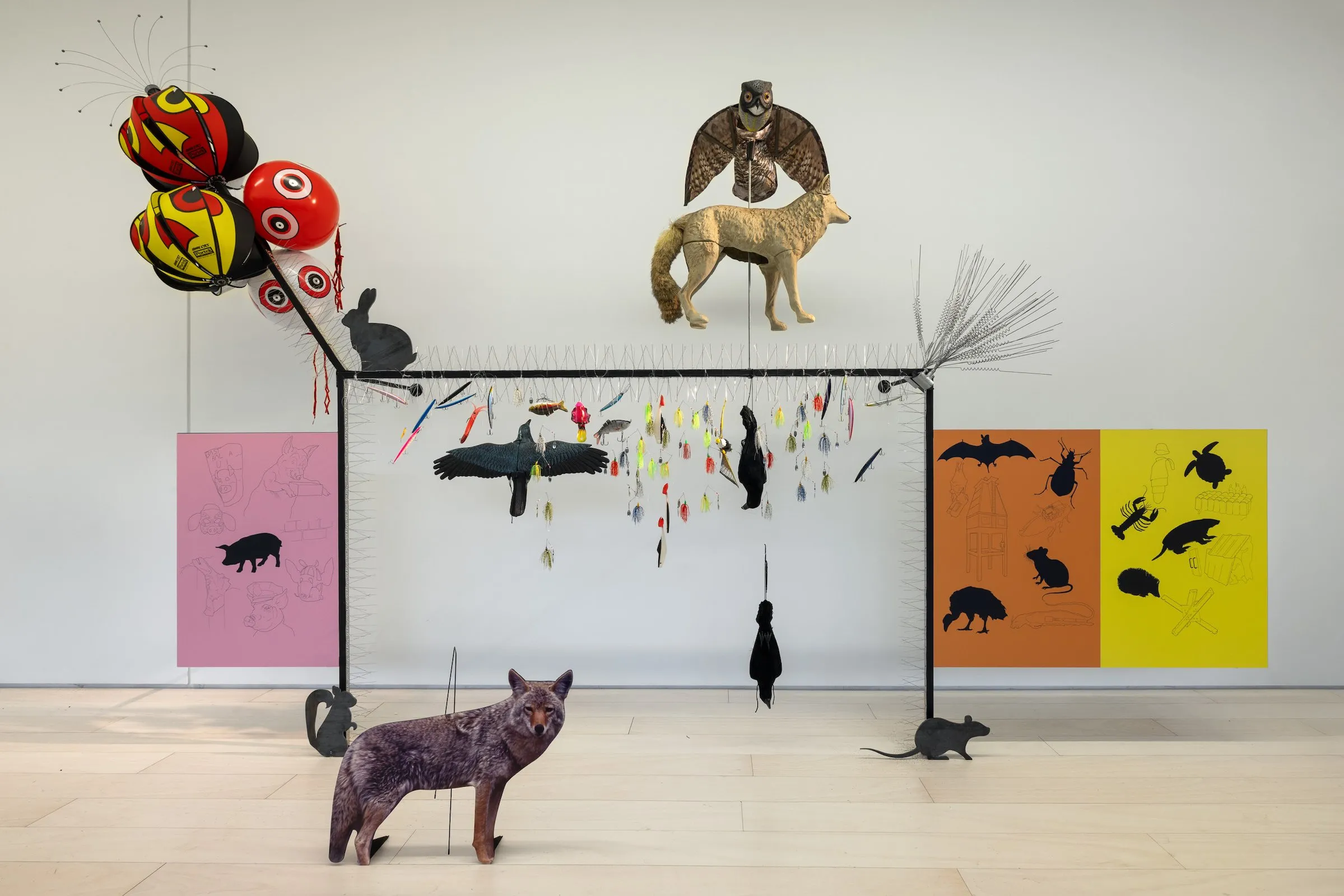
The topics range from the reality of industrial violence of the Anthropocene to visions of different, species-inclusive futures. The quest is as fascinating as it is elusive: to imagine nonhuman experience outside of anthropocentrism.
“Why Look at Animals? invites us to consider the non-human animal not as “Other”, but as a being with a “voice” and intrinsic value of its own, capable of artfulness, play, socialisation and transformation, pleasure, inventiveness, pain and grief.”
Even though post-anthropocentric issues are popular within contemporary art, animals as such often seem to vanish within ecological narratives about nature, species or biodiversity. It doesn’t come as a surprise – to confront with nonhuman animal rights is to encounter an unbearably vast and brutal reality of violence and harm caused by humans.


The exhibition curated by Katerina Gregos – awarded the Nancy Regan Arts Prize by the Culture & Animals Foundation – does not turn away from these difficult and shameful topics. Instead, it confronts the viewer with what usually remains hidden, in order to imagine change.
“The exhibition puts into question human exceptionalism, and aims to confront one of the carefully hidden and largely unspoken crimes of humanity on a mass scale: that of the daily, institutionalised, systematic violence against animals – whether directly or indirectly – a violence that denies them their basic natural rights.”


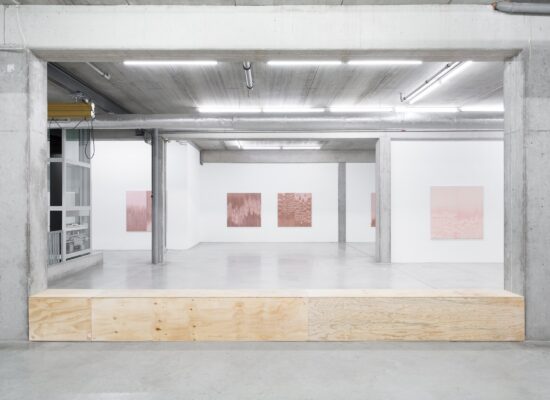
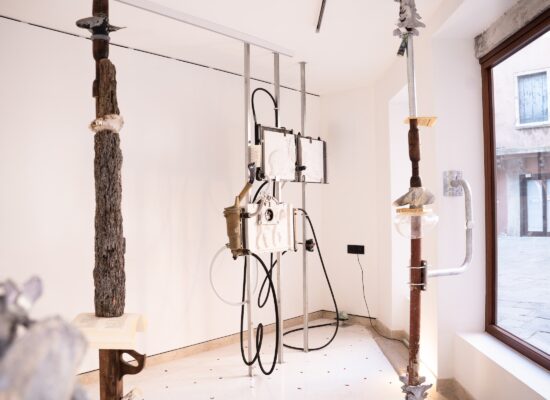
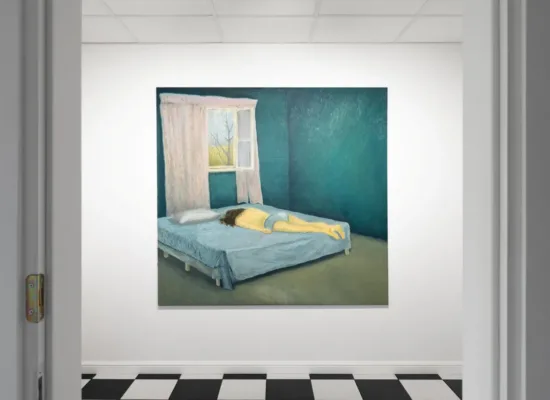
“The exhibition begins on the museum’s lower ground floor where the focus is on the deeply interconnected phenomena of colonialism, industrialism, and technological “progress”, which led to the first large-scale destruction of habitats as well as the violent exploitation of animals. As visitors ascend through the museum, they will encounter works that examine the present state of things: how animals exist and survive in urban environments, examples of animal activism, and new forms of animal knowledge, among other themes. Finally, on the fourth floor of the museum, the exhibition shifts in tone; here, poetics, ecofeminism, animism, play, animal creativity, and humour intersect. Animals reclaim their dignity, and we are prompted to imagine a future world in which there will be more harmonious interspecies co-existence and collaboration.”


Participating artists:
Ang Siew Ching I Art Orienté Objet (Marion Laval-Jeantet & Benoît Mangin) I Sammy Baloji I Elisabetta Benassi I John Berger I Rossella Biscotti I Kasper Bosmans I Xavi Bou I Nabil Boutros I David Brooks I Cheng Xinhao I David Claerbout I Marcus Coates I Sue Coe I Simona Denicolai & Ivo Provoost I Mike Dibb & Chris Rawlence I Mark Dion I Radha D’Souza I Maarten Vanden Eynde I Jakup Ferri I Alexandros Georgiou I Igor Grubić I Gustafsson & Haapoja I Joseph Havel I Lynn Hershman Leeson I Annika Kahrs I Menelaos Karamaghiolis I Anne Marie Maes I Britta Marakatt-Labba I Nikos Markou I Angelos Merges I Wesley Meuris I Tiziana Pers I Paris Petridis I Janis Rafa I Rainio & Roberts I Marta Roberti I Mostafa Saifi Rahmouni I Lin May Saeed I Panos Sklavenitis I Sonic Space I Jonas Staal I Daniel Steegmann Mangrané I Oussama Tabti I Emma Talbot I Nikos Tranos I Maria Tsagkari I Dimitris Tsoumplekas I Euripides Vavouris I Kostis Velonis I Driant Zeneli