Artists Natalia Mejía Murillo
Date June 18 to September 6, 2026
Curator Matheew Carrillo M.
Venue Panorama
The project unfolds as a long-term investigation engaging with situated processes, communities, cosmovisions, and territories, not as closed units, but as relational fields where echoes, correspondences, and affective displacements take shape. The artist’s approach is slow and observation-based, in contrast with the contemporary hyper-industrialized paradigm of consumption and waste, and the imperative of productivity, which likewise permeates artist residency models.
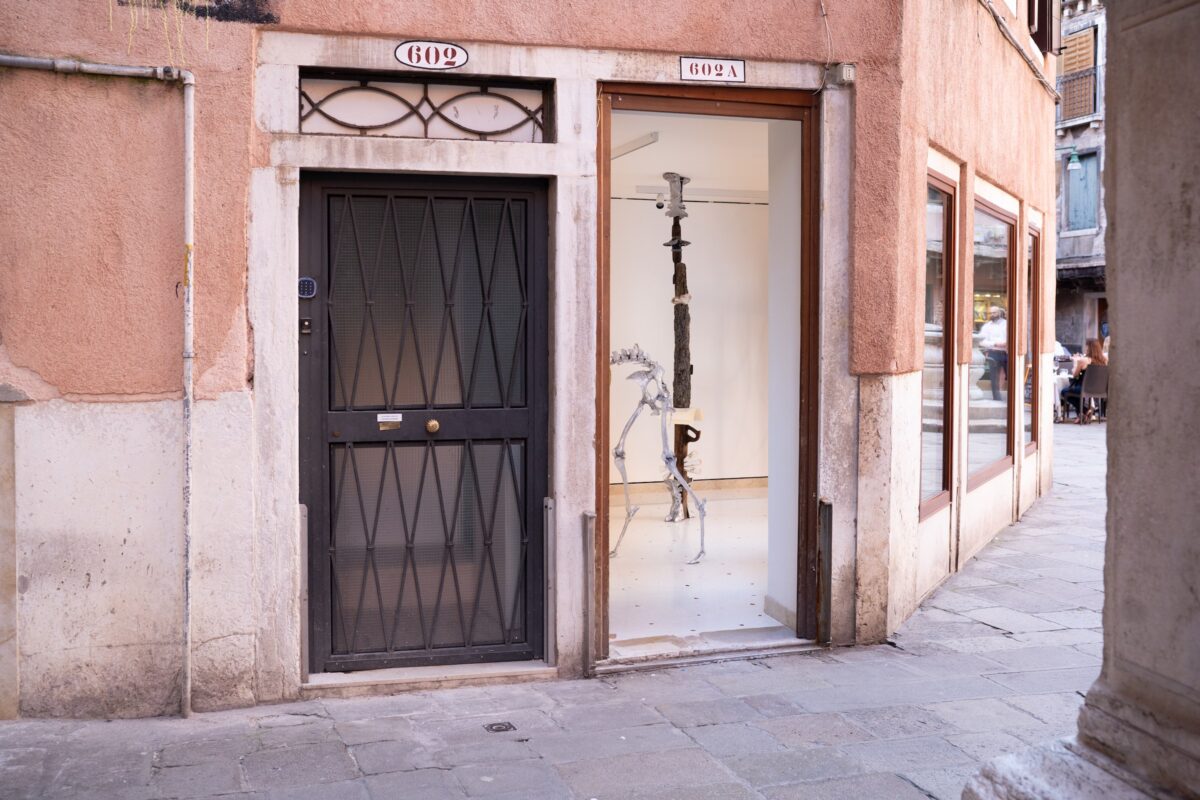
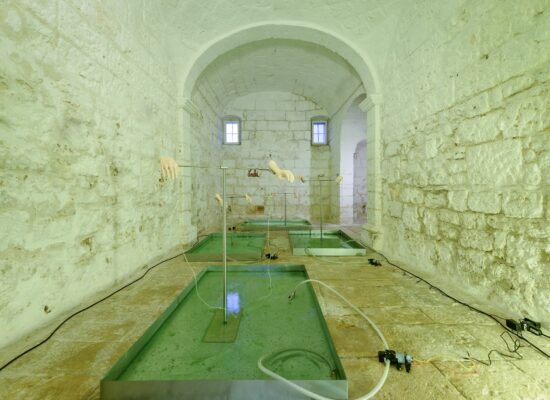
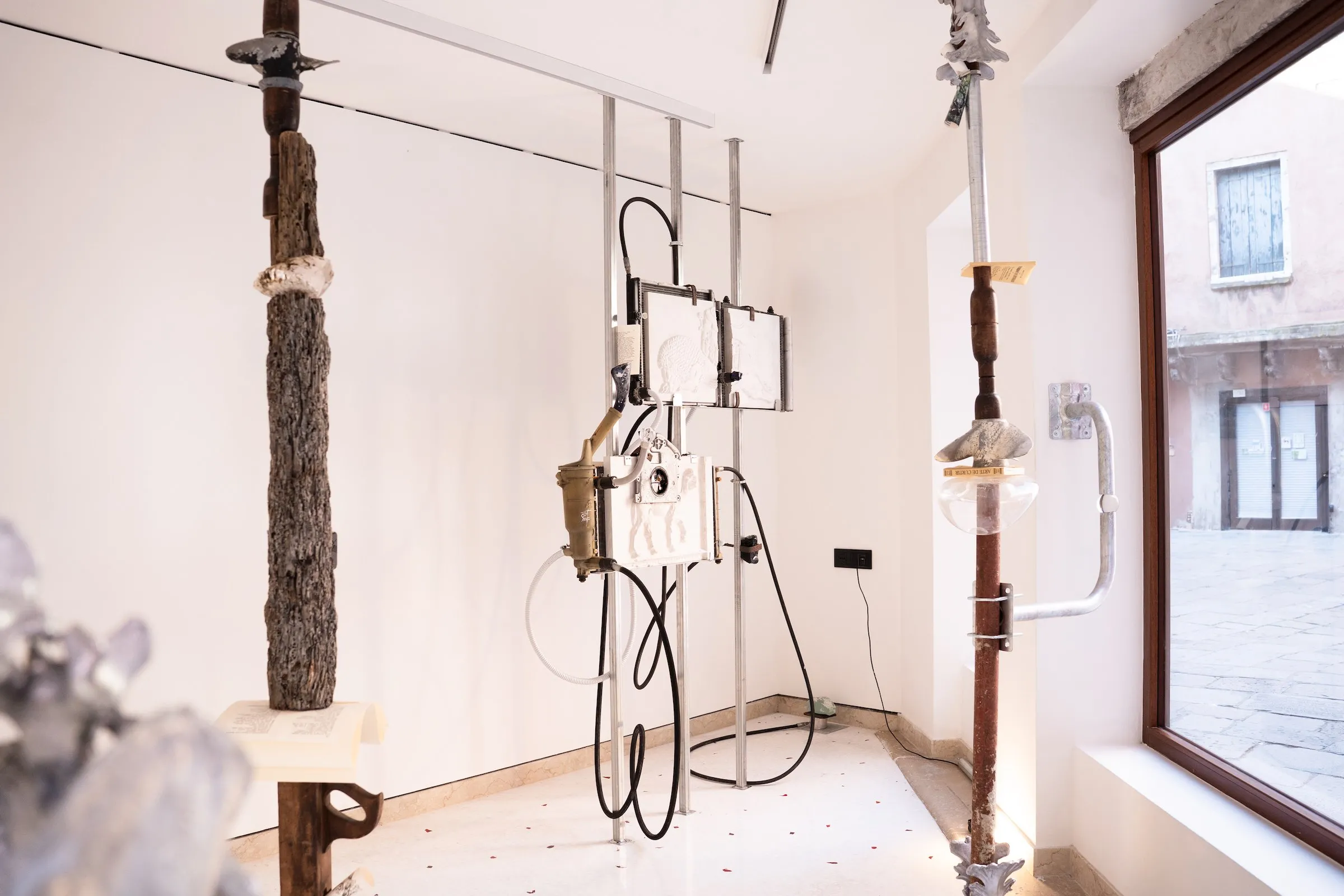
The arrival in Venice, urban palimpsest, marked a decisive turn in the research. The city emerges as an organism in constant restoration, where fragility is not an exception but a structural condition. Within this context, the work focuses on two main elements: architectural conservation practices and water-level measuring devices, understood both as technical tools and as cultural indicators of the relationship between the city and its
environment.
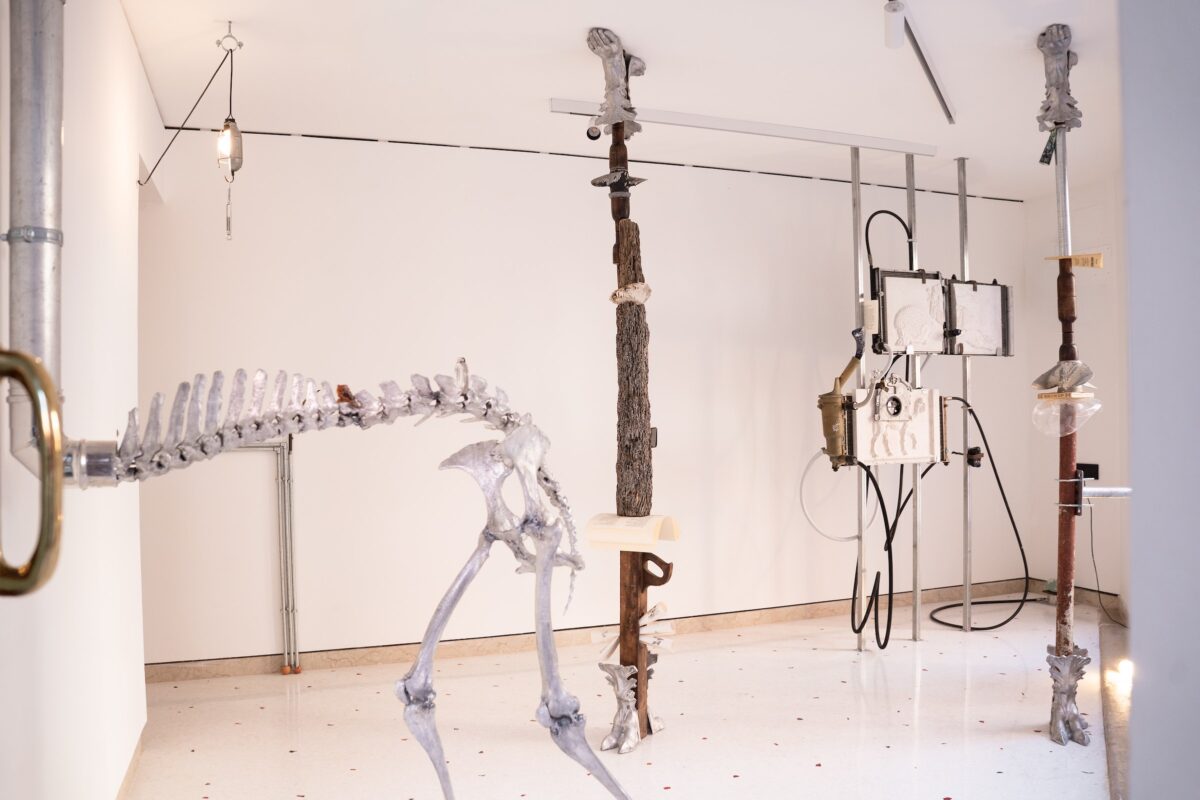
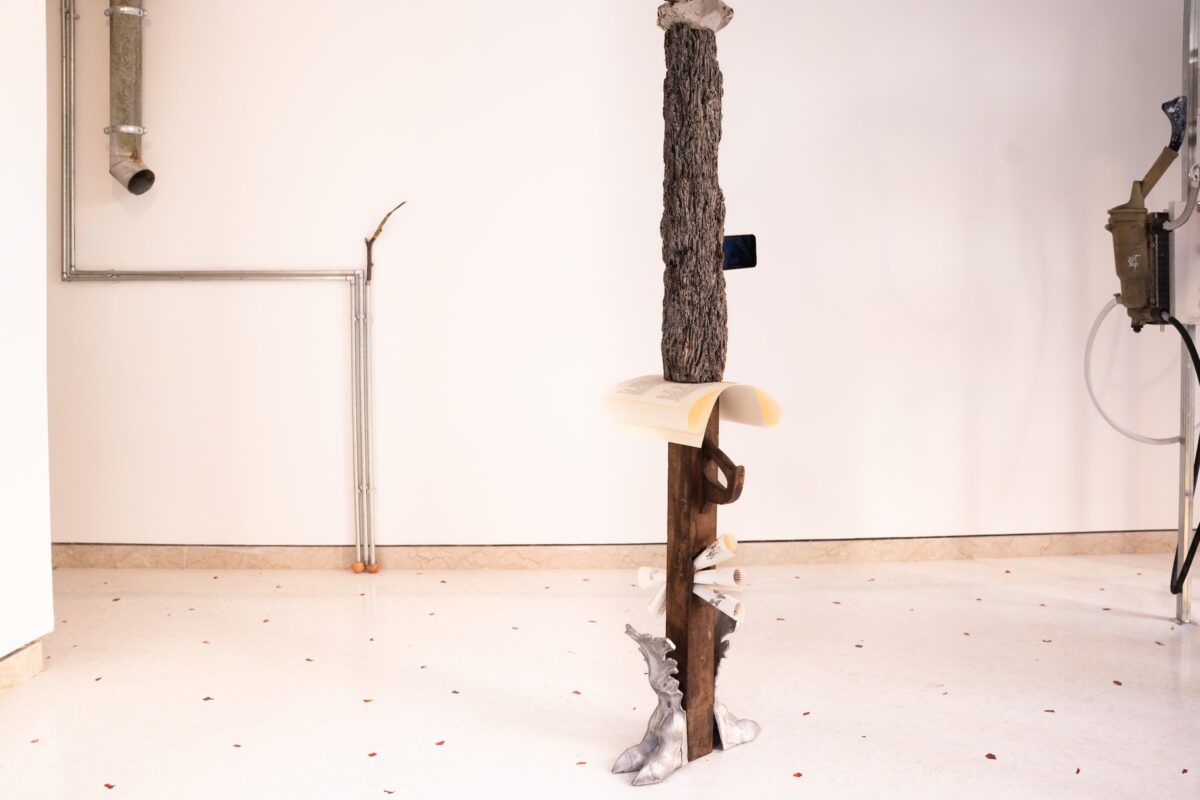
The works incorporate materials such as glass and wood, engaging in dialogue with Venetian craft traditions as well as with other cultural contexts. This exchange generates new readings of the city as a space in constant transformation.
Mistranslation thus offers a reflection on urgent contemporary issues, including the relationship between humans and non-human entities, embodiment, and resources, as well as prevailing systems of classification and control.
As curator Matheew Carrillo M. notes: “Mistranslation opens a space to destabilize certain structures of knowledge and to explore how perspectives from the Global South can offer critical tools and productive frictions.”