How do you describe your own art practice?
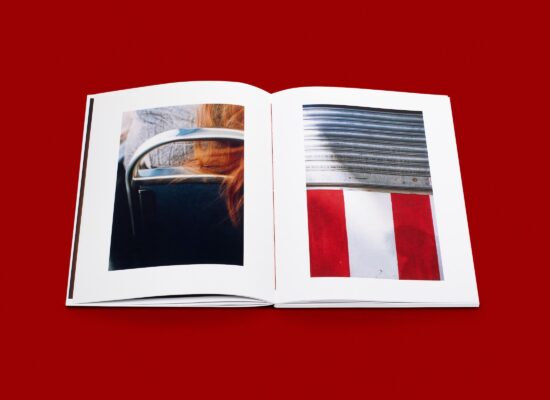
When I take a photograph, It feels like I am searching for another place, while I am looking into where I am looking at. Taking photographs for me is a way to go between reality and a fantasy freely.

Which question or theme is central in your work?
The theme of my work is about memories of a person, or a place. To express the “memories” which has no shape or existence, I have used a broken camera for shooting.
I’ve tried UV printing my photos on material like driftwood, or scraps.
I am also working on a project in which I sneak into spaces, such as abandoned places and exhibit my photos, leave it as it is and go away.
These places are more unstable than a gallery for exhibiting art.
Abandoned places are unpredictable in its shape, it is constantly changing. So I think these places has its own unique time-space like “point”. Nowadays, city changes in lightening speed, and we are no longer remembering the old landscapes.
Doing an exhibition in that “point” is my personal challenge for this fleeting era that I live in. Also, I feel romantic about the possibility that someone might bump into my picture.

What was your first experience with art?
When I was about 16 years old, I’ve found an old film that has already been taken by my parents in a long time ago. I went to print this 30 old-years film, and I’ve found out all these pictures were faded in pink.
I was obsessed with the fact that the film won’t persist as I look through my eyes, and it is also possible to contain time as a substance that I can keep in my hand.

What is your greatest source of inspiration?
The words that I find through reading books, especially things about “memories” and “oblivescence” catches my eyes all the time.
In the past few years, I am cherishing the word of Polish author, Olga Takarczuk. I really like her aesthetics about deaths, and dreams. The way she writes about the sense of smell is elaborating, I love how I can experience the flashback of a vision through reading her book.
Spending time in a city I’m not familiar with, is also my great source of inspiration. Life is all about the accumulation of the moments that you cannot experience ever again.
When I am strolling and spending time without purpose, it makes me realize that once more. Digital photos contain the information about time, and a geolocation. Which is really convenient, but I feel that it is a bit boring to me.
So when I’m strolling through a city, I try not to look at maps, and try to use the film that does not hold unnecessary information to take a picture.

What do you need in order to create your work?
An urge to encounter unexpected moments.

What work or artist has most recently surprised you?
We can only start writing poetry once we’re connected to our subconscious, or an oblivion. I encountered this viewpoint in texts on Jonas Mekas’s when I went to his exhibition this spring.
He was talking about his decision between what to capture, and what not to capture in a film. It is not only coming from his memory, but also comes from an oblivion.
The way he makes films, driven by something he has forgotten in a long time ago, gives me the courage to keep capturing this world.
Translation by Masumi Saito.