Who are the members of the collective, and what are their backgrounds?
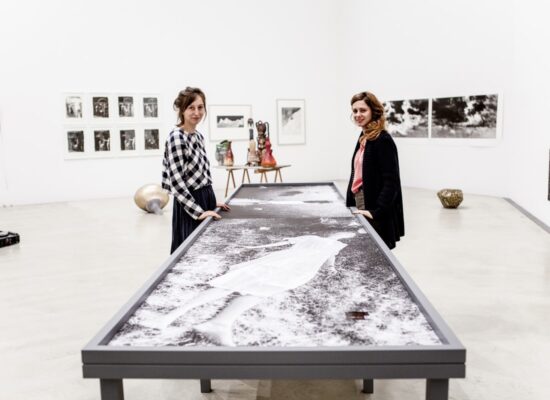
d-o-t-s is the curatorial practice of Laura Drouet (FR) and Olivier Lacrouts (IT/FR). Our collaboration brings together two complementary backgrounds: Laura studied art history, while Olivier trained in industrial design.
Over the past decade, we have lived and worked (both independently and together) in several countries – including France, Italy, Belgium, Morocco, the UK, and Portugal – and spent two and a half years travelling across Europe in a van converted into a mobile home and office, which allowed us to experience and witness firsthand different realities. These experiences have profoundly influenced our practice, encouraging us to develop projects that are rooted in specific places and attentive to the relationships between people, landscapes, and other living beings.
Our different perspectives and combined interests shape the way we approach our work, allowing us to move fluidly between cultural research, design, ecology, and social engagement.
How did your collaboration come about?
We met at Domaine de Boisbuchet, a cultural centre in the French countryside, where we both worked for various years. Our collaboration started driven by conversations and questions around landscapes, habitats, rurality, and our relationships with other living beings. Rather than forming around a single project or manifesto, d-o-t-s emerged organically from our ongoing dialogues and a desire to create spaces where critical research, environmental awareness, and curatorial practice could intersect. Our first (self-initiated) collaborative project was a long trip to Morocco, during which we explored topics related to rural landscapes, water scarcity and agricultural resilience, meeting local farmers, and working as volunteers in a pedagogical farm.
What is the core of your collective practice?
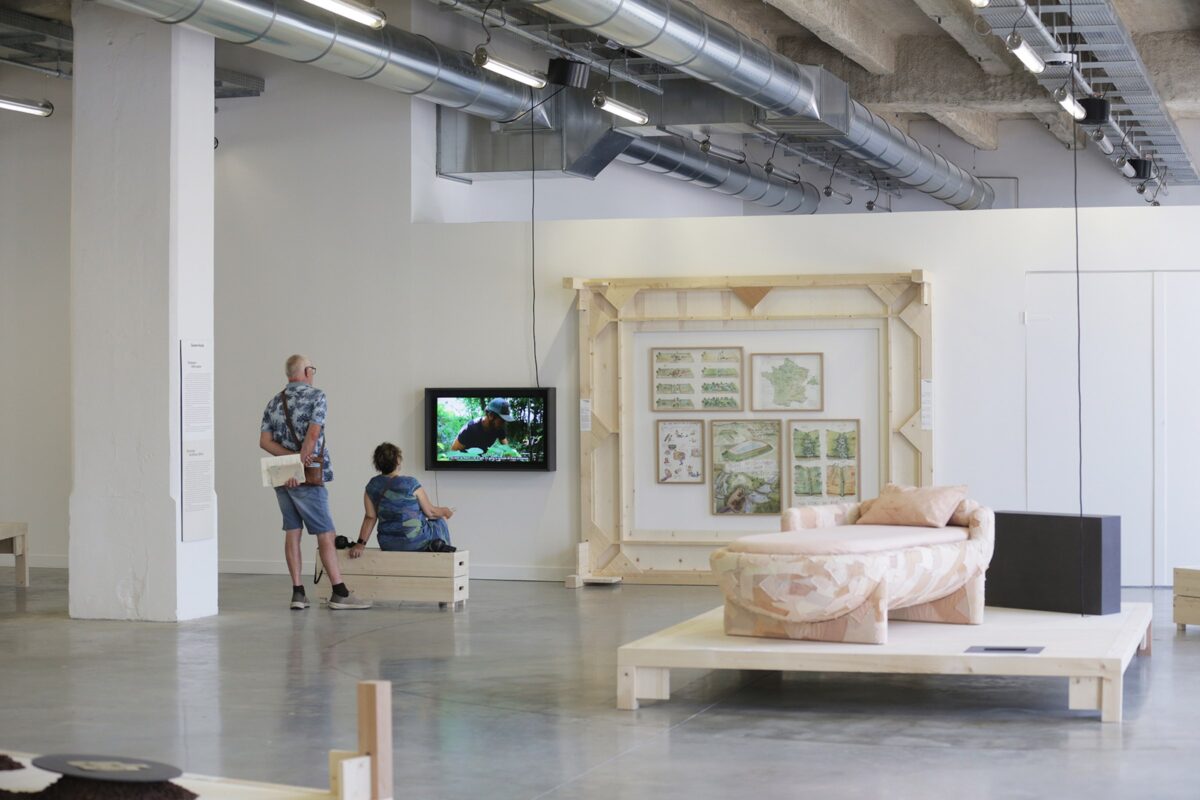
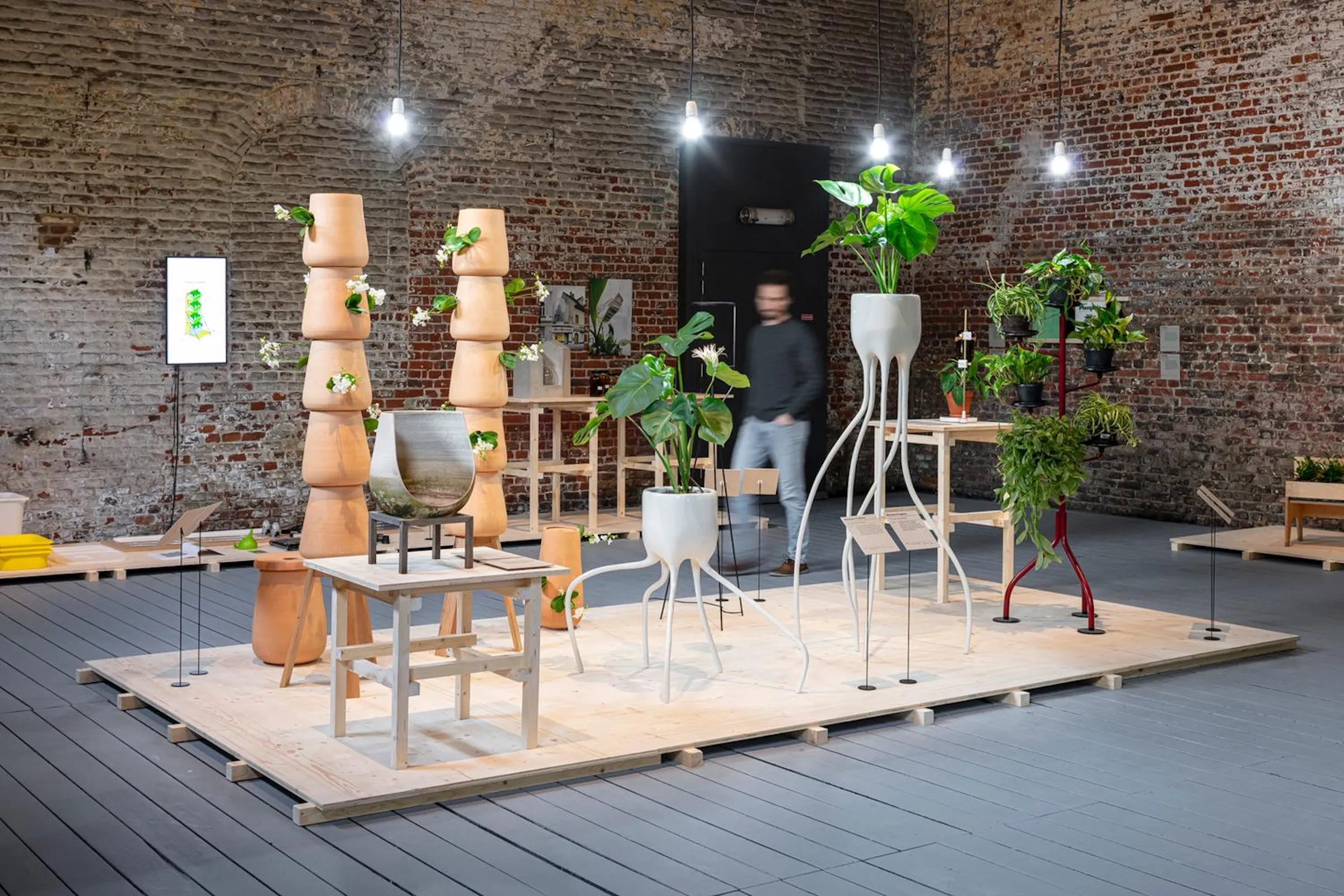
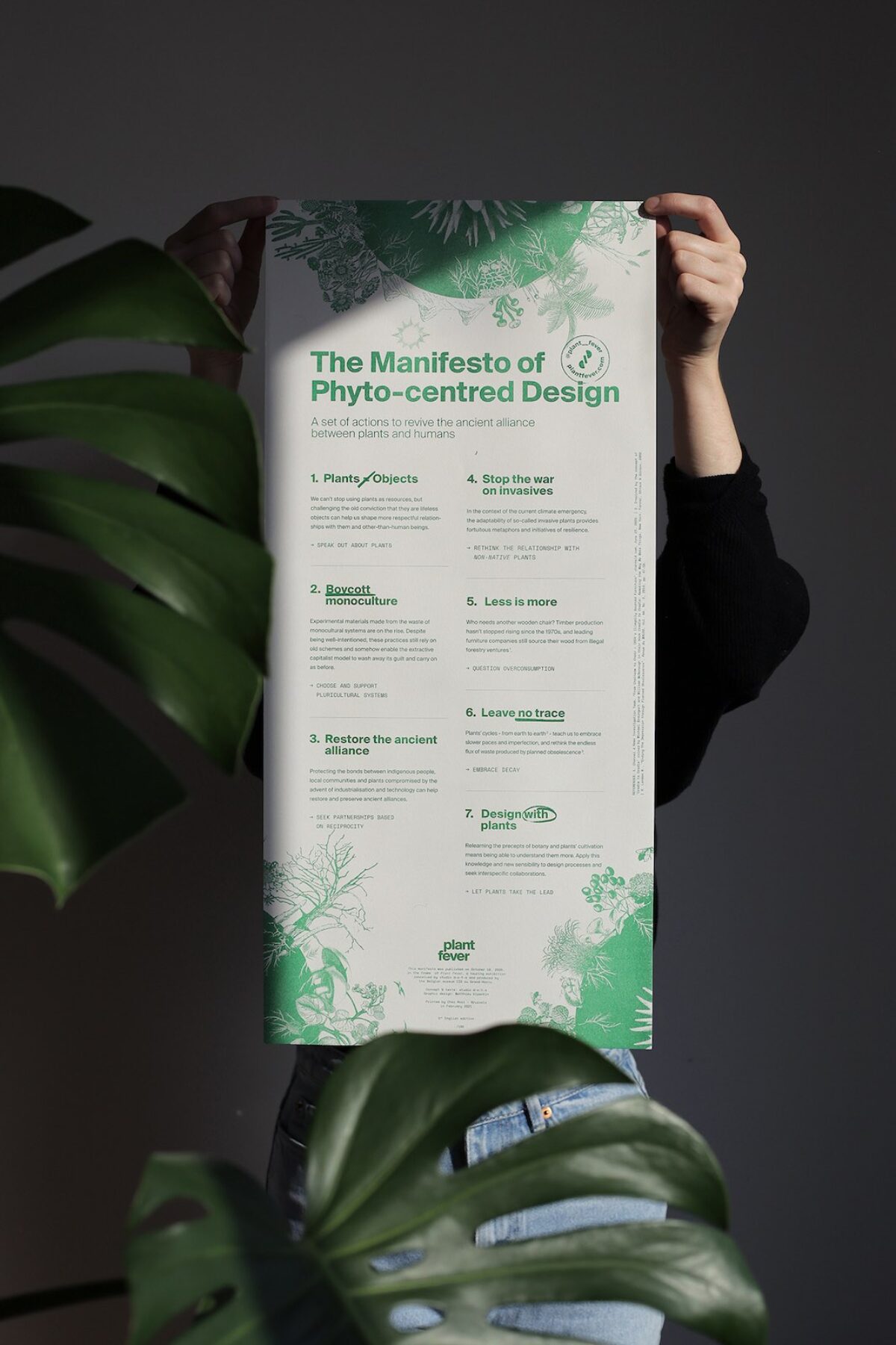
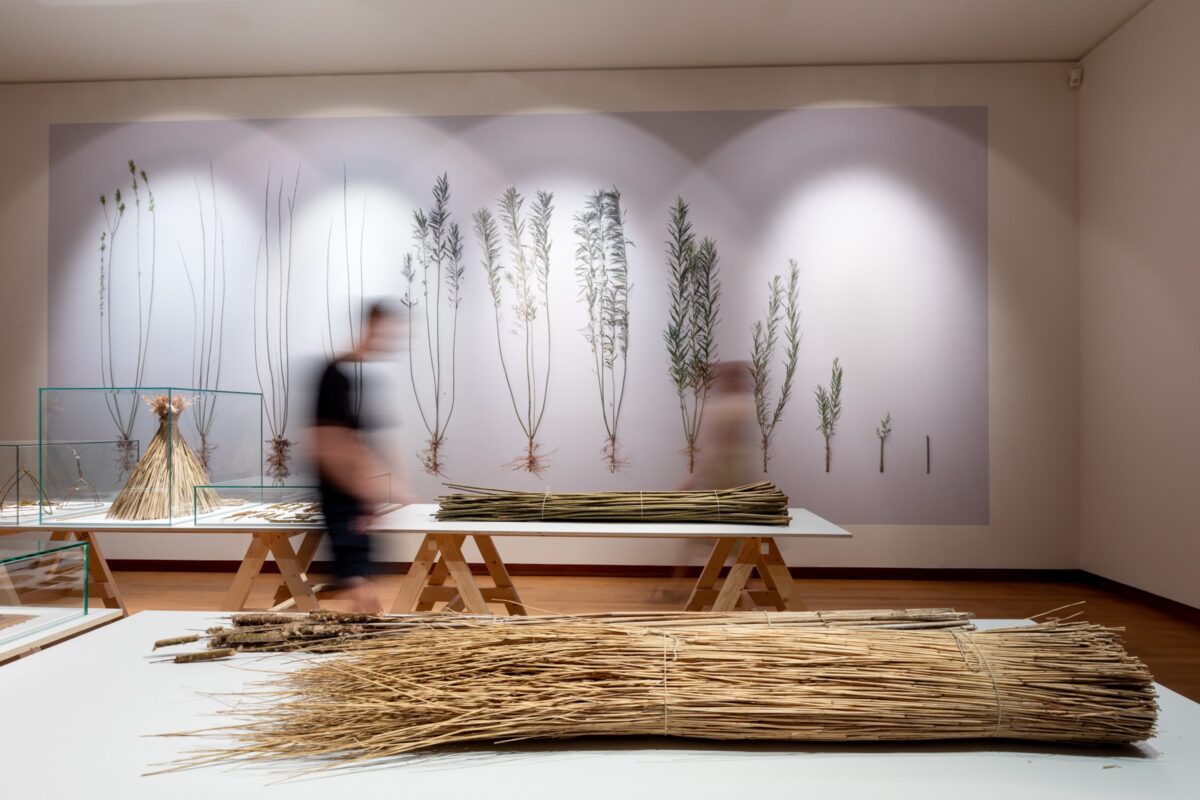
At its core, d-o-t-s is an interdisciplinary curatorial practice that combines field research, ecological concerns, and creative experimentation. We work through exhibitions, publications, workshops, and design commissions, always adapting our methods to the specific territory, community, or institution we are collaborating with.
Across different formats, we like to explore questions such as: How can we rethink our relationships with landscapes, ecosystems, and the more-than-human world? How can curatorial practice become a tool for rooted learning and critical dialogue? Rather than offering definitive answers, we see our projects as invitations to observe, question, and imagine alternative ways of inhabiting the world.
What does your joint creative process look like?
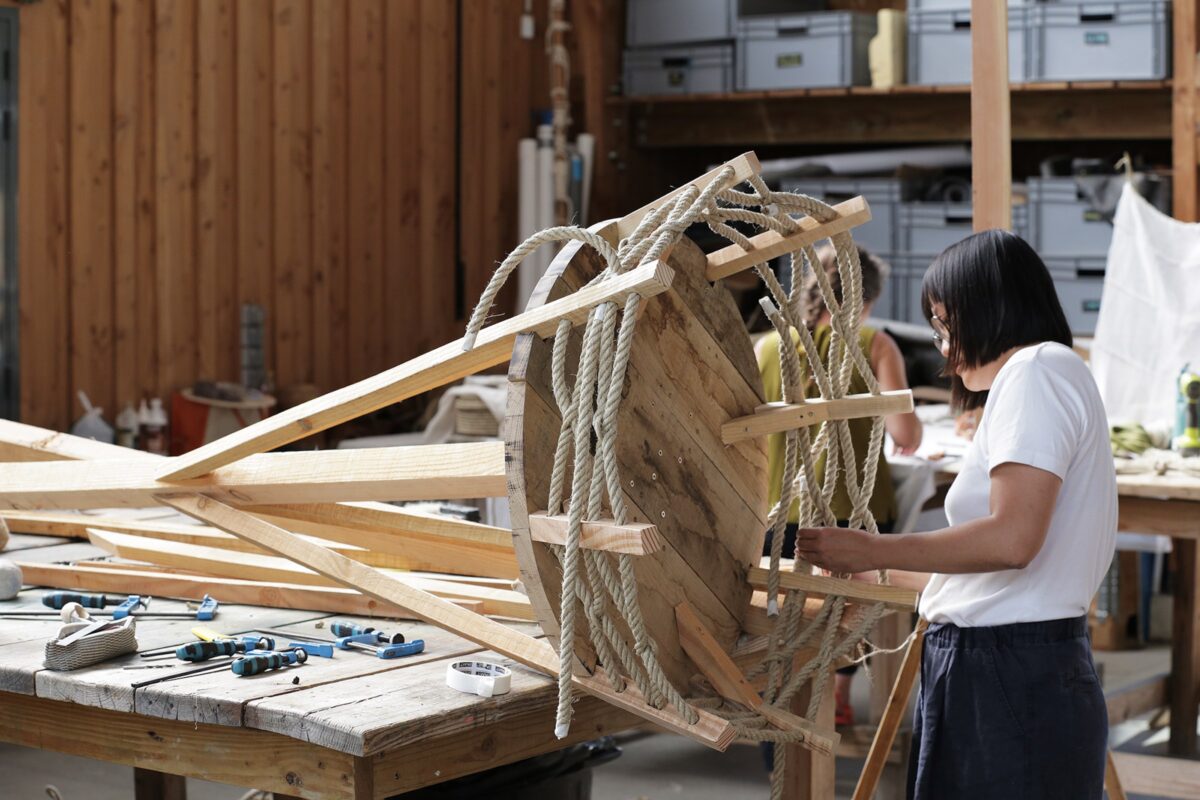
Our creative process is highly collaborative from beginning to end. Research usually begins with conversations, fieldwork, reading, and site visits, through which ideas gradually take shape. We tend to work simultaneously rather than dividing projects into separate responsibilities, constantly exchanging references, editing each other’s texts, and discussing every stage of a project together.
While our backgrounds and personal interests naturally lead us to notice different aspects of a subject, we see these differences as one of the strengths of our collaboration. Over time, our individual voices have become increasingly intertwined, making it difficult – and often unnecessary – to identify where one person’s contribution ends and the others’ begins.
How do you deal with the dynamics of working as a collective?
Working as a collective means constantly negotiating ideas, responsibilities, and ways of communicating. We have developed a practice based on trust and continuous dialogue, that supposes no hierarchy between the two of us. Although we each bring different skills and perspectives, we try to avoid fixed roles.
Being a woman and a man has also made us aware of how gender dynamics continue to shape professional interactions. Over the years, we have often noticed that many external collaborators – both men and women – instinctively address Olivier instead of Laura. We see it as a reflection of broader structural biases that still affect many collaborative practices. It has made us more attentive to how we represent ourselves, distribute visibility, and actively create space for both voices to be equally recognised.
Ultimately, working as a duo is an ongoing process of listening, questioning our own habits, and making sure that authorship, care, and responsibility remain genuinely shared.
If you maintain an individual practice, how does it relate to your work within the collective?
Alongside d-o-t-s, we each maintain individual practices – Laura through illustration, and Olivier through photography – that provide spaces for personal exploration, while remaining closely connected to the questions that drive our shared projects. Both individual practices also support our collaborative work, through the creation of mediation tools or the documentation of projects.
Rather than existing separately, they continuously nourish d-o-t-s by bringing new ways of observing, representing, and engaging with the world. At the same time, working as a duo has profoundly shaped us as individuals. It has reinforced the importance of dialogue, interdisciplinarity, and shared inquiry, reminding us that even personal work is enriched by collaboration and exchange.
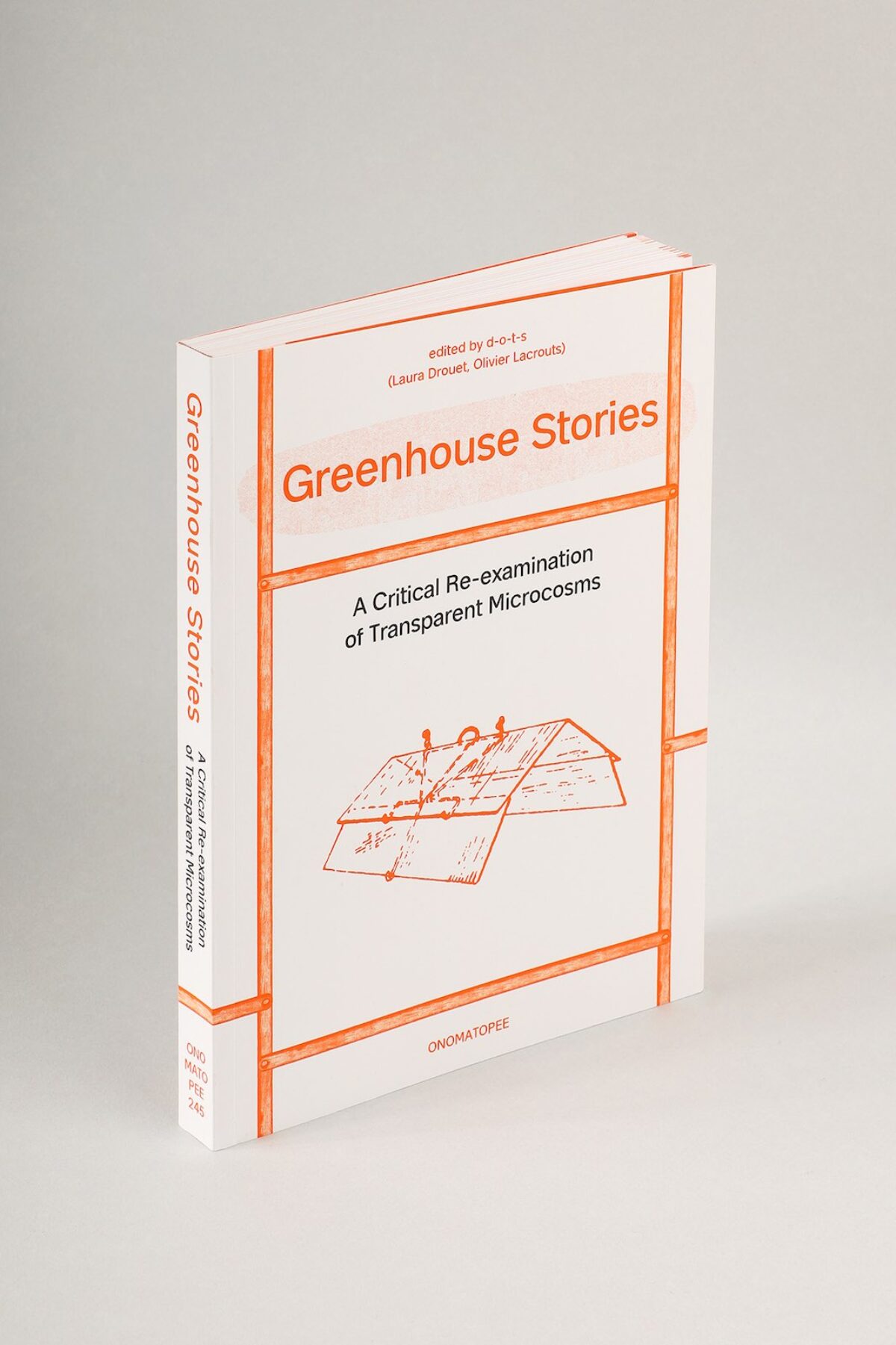
What advice or resources would you offer to starting collectives?
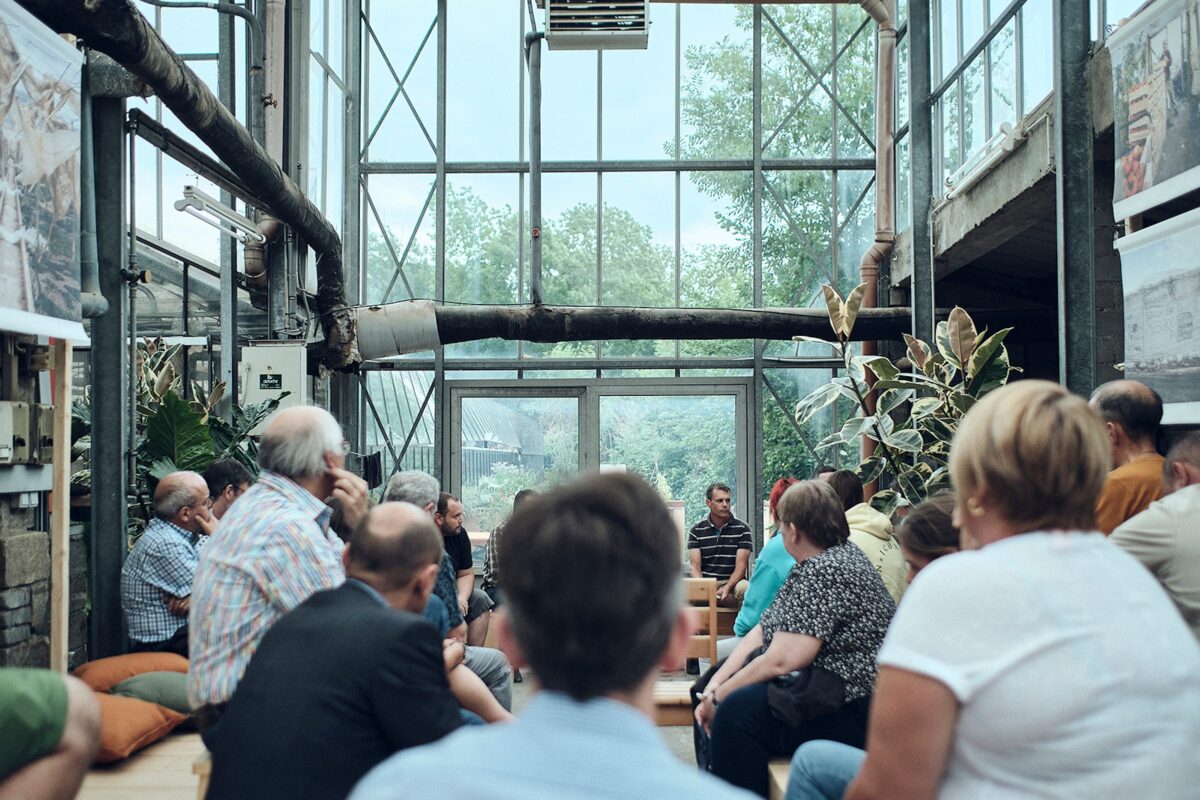
We are fascinated by the power of the collective, and we have spent a lot of time studying, interviewing, and visiting ongoing and past projects across Europe and beyond that put togetherness at the heart of their process. From creatives breathing life back into rural villages (e.g. Robida in Slovenia) and desacralised convents (e.g. ZERM in France), to farmers joining forces to diversify their range of products (e.g. Les 3 Parcelles in France), we find their attempts, struggles, successes, and even failures worth learning from.
Spending time with other collectives, even those whose practices are very different from our own, has been one way of learning more about our own goals as a duo and as individuals within it. Observing how they organise themselves, share responsibilities, and navigate the boundaries between life and work – particularly in the case of couples or friends – has been inspiring and useful in helping us define our own hopes as a duo.
Seeing how failure and experimentation can be an essential part of the process has also been a real eye-opener. It has taught us that there are as many ways of working collectively as there are collectives, and that much of the learning comes simply from caring, trying, adapting, and experiencing things together.