Based in Leipzig (DE), The Hague (NL)
Website https://www.instagram.com/leonievonsaldern
Research project Beetle Convicted After Spruce Found Dead
Location North Rhine-Westphalia, Regional Forestry Office Bergisches Land, Landesbetrieb Wald und Holz NRW
Can you describe your research project?
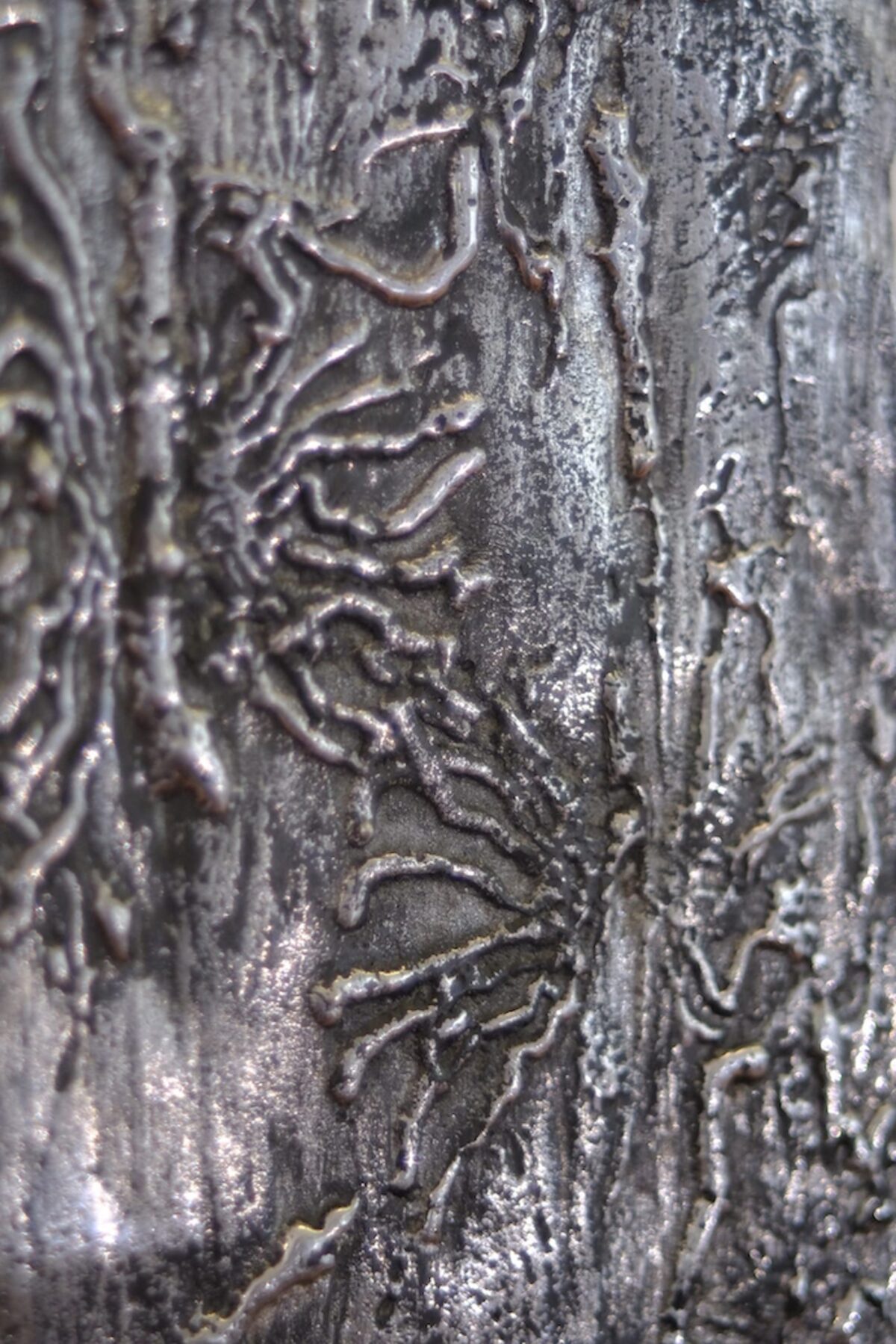
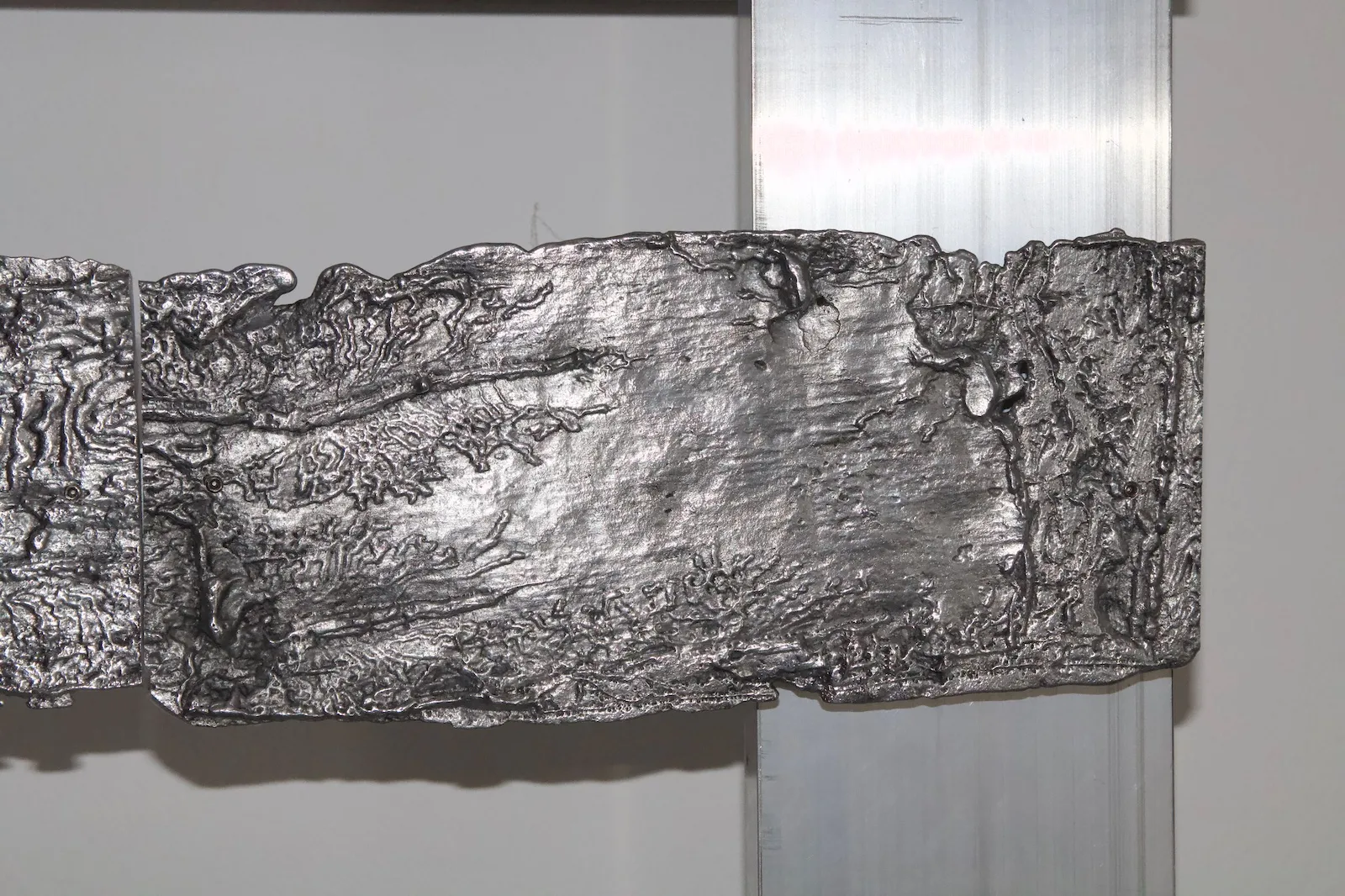
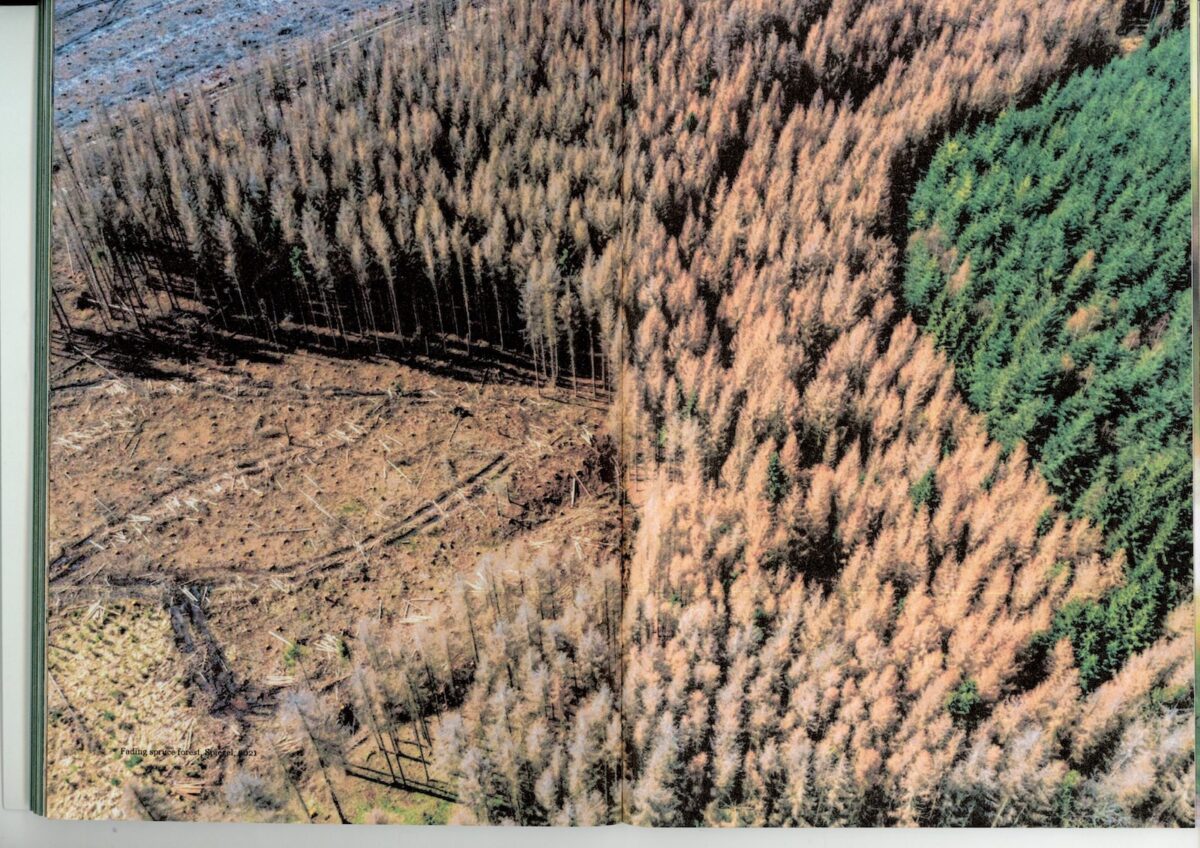
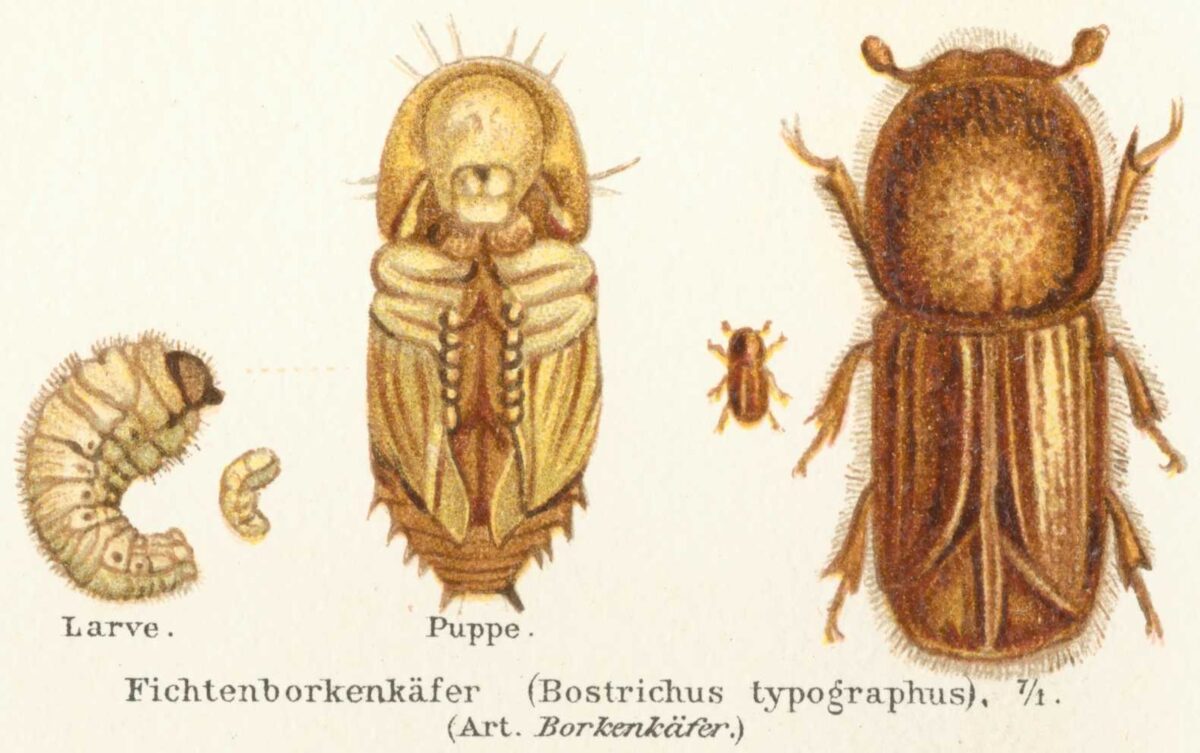
The German forest is fading like never before. The work Beetle Convicted After Spruce Found Dead investigates the biggest biologically caused loss of forest in German history, which is said to be caused by the overpopulated bark beetle. Well, it’s always easy to point a finger away from oneself. However, climate change, planting of spruce monocultures, war reparations, political decisions, human neglect and ignorance; all play a major part. The forest has turned into a factory with the tree being the product. Through writing, I constructed the case of the spruce tree and its six-legged enemy, the bark beetle. This leads us away from the forest and back to humanity.
Why have you chosen this topic?
My grandparents live in a small town in North Rhine-Westphalia that usually is encircled by hilly and dense nature. Unfortunately, this changed drastically in the past decades and even more during the time I am concerned around the forest. The once vibrant green landscape turned light brown and falls into kilometer-long spruce log piles. Visiting my grandparents twice a year, I could observe and capture the forest catastrophe from a young age on. In response to my question why, I was told it’s because of the bark beetle. I always had strong doubts about that accuse. Why would nature allow such disaster?
What research methods do you use?
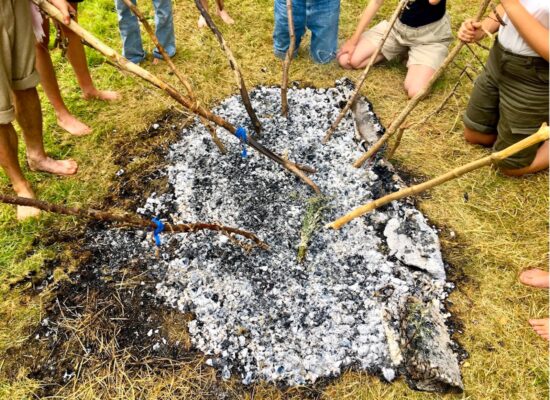
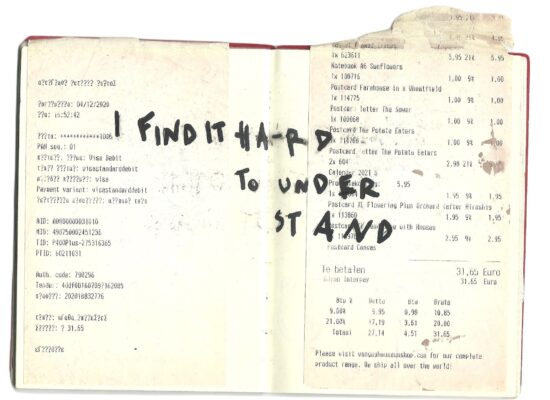
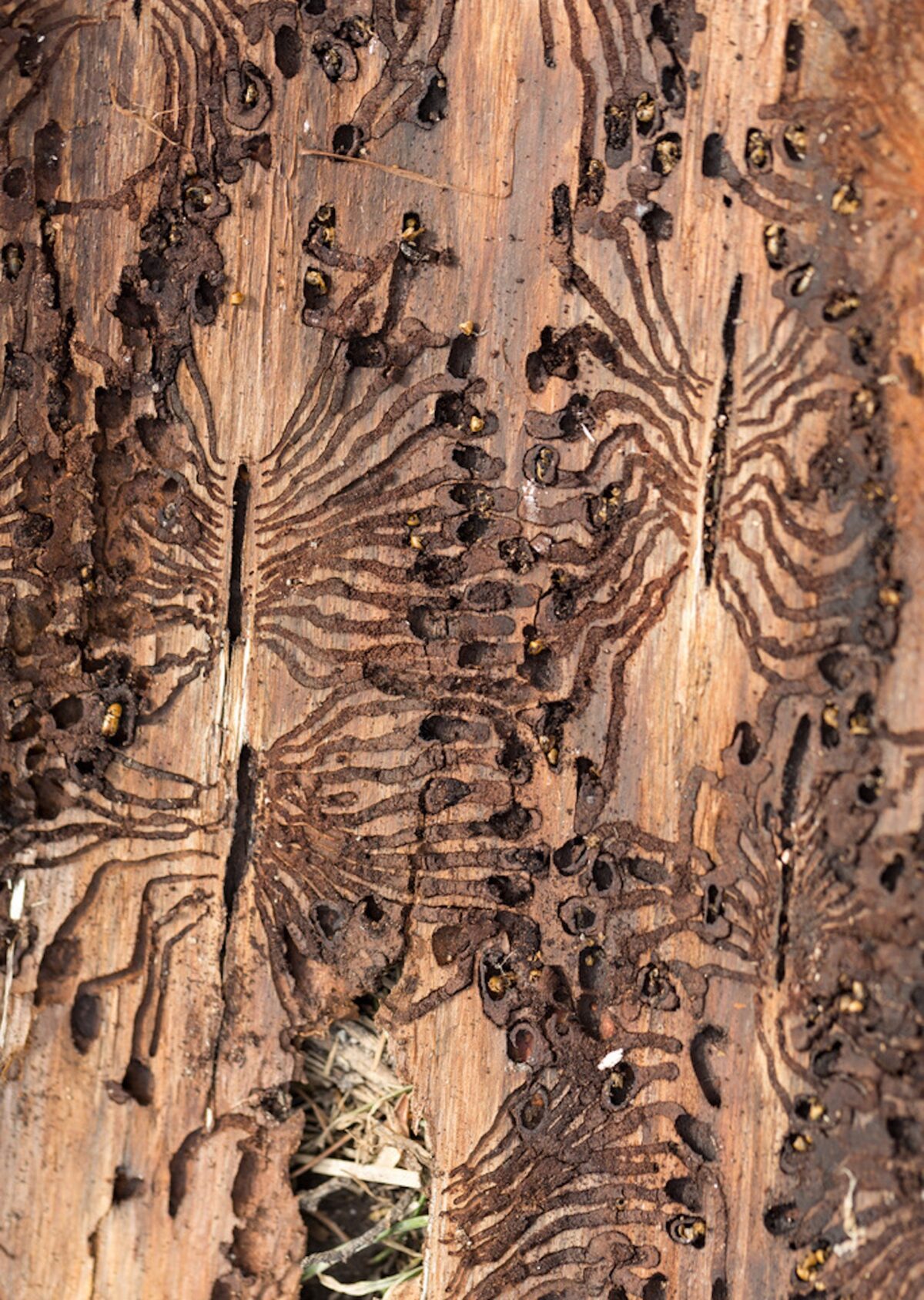
At first, I always expose myself into the scenery to start a dialogue with the landscape, nature, residents and within myself. This happens very intuitively, pushed by curiosity and outrage. The following step seems a natural and logical consequence. After walking to through the forest, I started buying many newspapers to understand the illustration through print media, which fed my interest for the political and historical context. Then I focused on archives (Zeitpunkt NRW, Archive NRW, National Archive), speaking to specialists (biologist, foresters) and local residents, field research in the fading woods as well as material research with perforated bark and, very important, lots of writing and drawing.
In what way did your research affect your artistic practice?
It created a stronger interplay and reliance in combining scientific research and artistic practice as my working method. Art and science are, at their core, both methods of asking questions and exploring the nature of the world, rooted in observation and perception. Recognising it throughout my approach gave me a stronger position and responsibility as an artist to educate and raise awareness about human intervention in shared environments, since this spruce forest extinction is just one of many examples. But most importantly, it emphasises the importance of collaboration, on a human and non-human level – using each other’s expertise to be able to fully understand the subject, tell the story through a multi-perspective lens and eventually create something greater.
What are you hoping your research will result in, both personally and publicly?
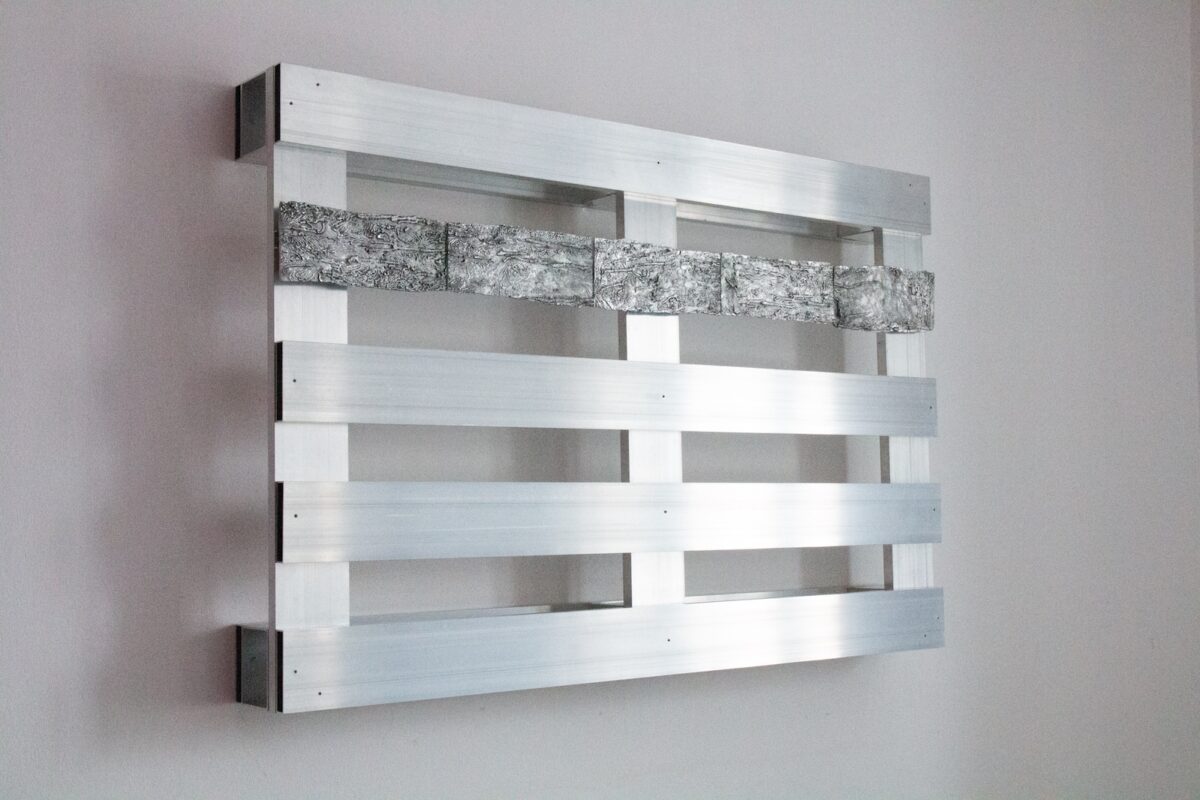
I want to showcase what human intervention and its complexity in ecosystems means, with guiding the audience through an informed narrative – visually and theoretically. Through collaborating closely with scientist and experts, I adopt scientific methodology in my writing and installations. This allows me to reimagine data and facts, often obscured or manipulated for political purposes – wishing to translate it and make it accessible to a larger public with a sensitising effect. This shall encourage us to think and questions developments and changes in our environment. Personally and publicly, I seek to join forces with like-minded artist, scientist, activist, etc. I strongly believe in collectiveness, collective articulation and aspire collective thinking.
About Léonie von Saldern
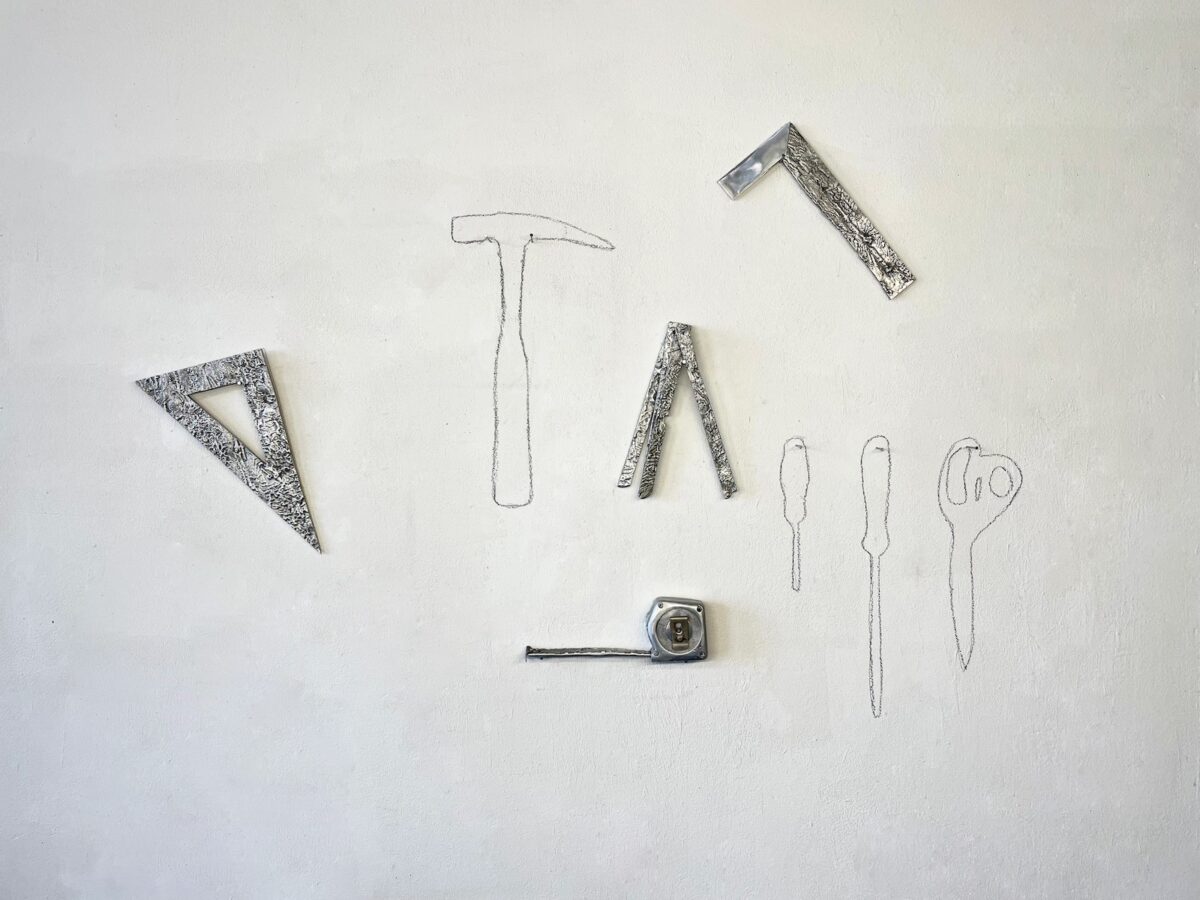
Germany and Netherlands-based artist Léonie von Saldern explores human intervention in nature through a political and historical lens. Blending scientific research with artistic practice, she raises awareness by collaborating with experts and reimagining data through sculpture and installation. Her works, marked by an industrial aesthetic, address pressing issues like deforestation and uranium mining, aiming to provoke collective thought and action for environmental protection.
The publication of Beetle Convicted After Spruce Found Dead is available here.