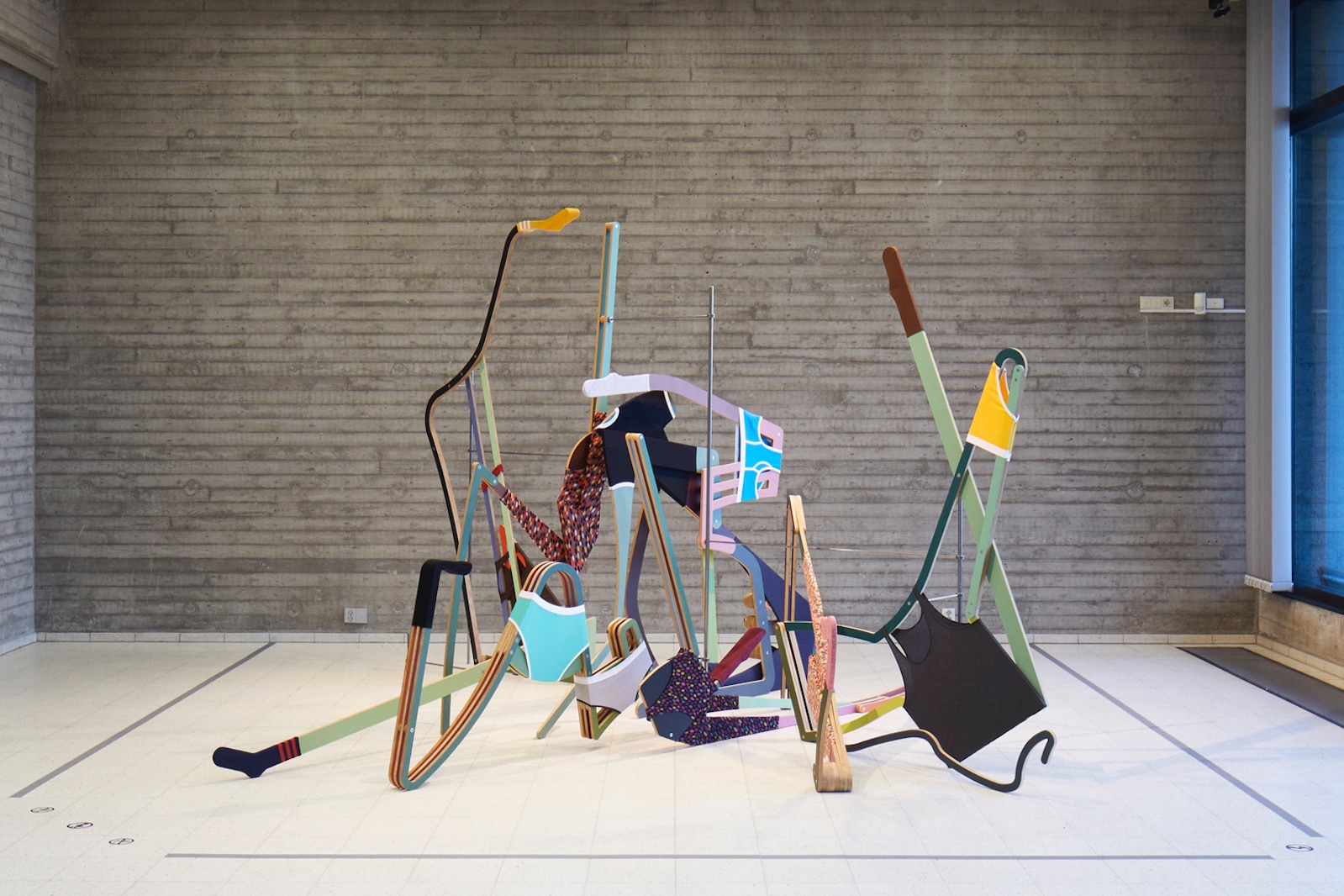
How do you describe your own art practice?
Letting things be what they are not.
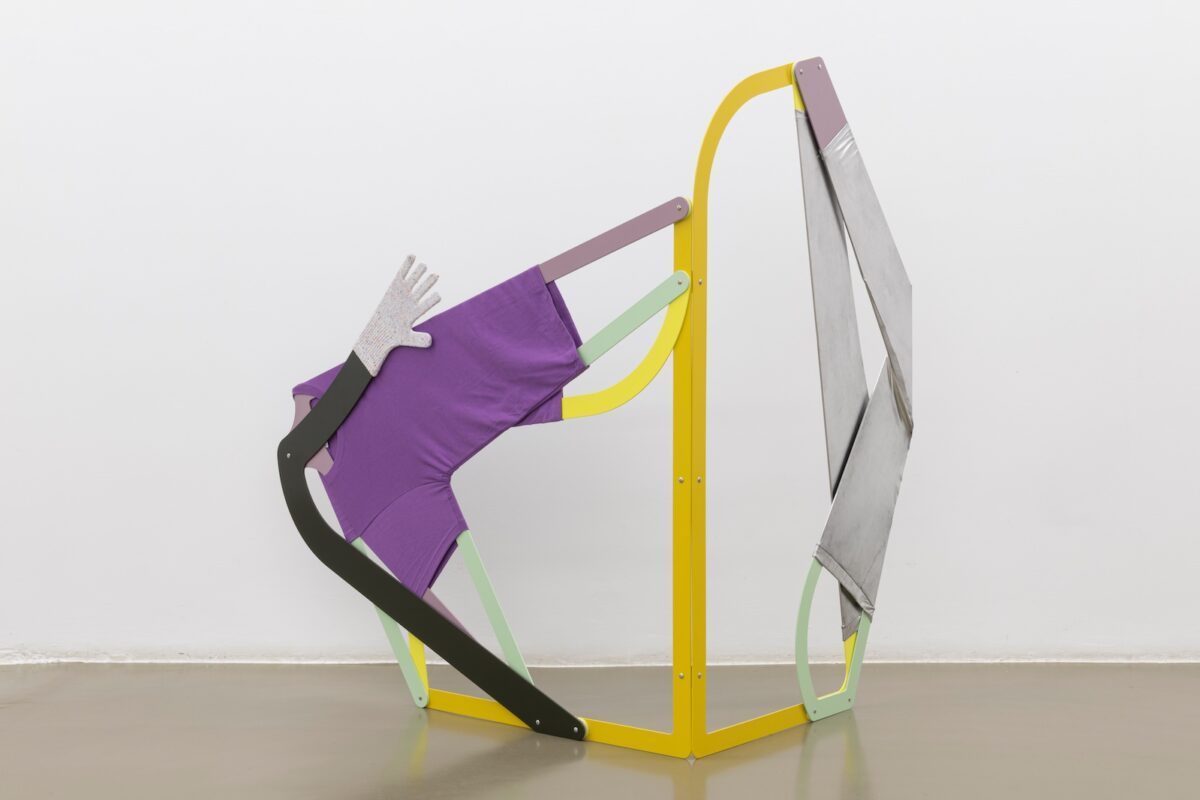
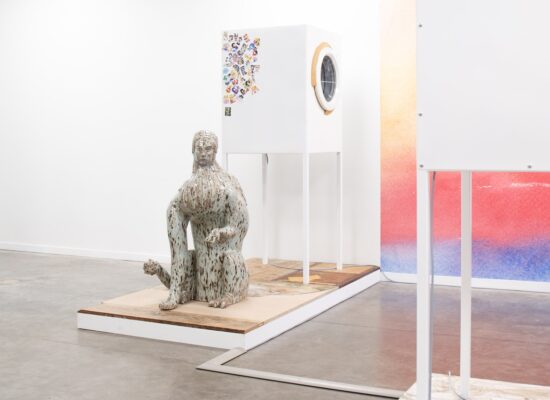
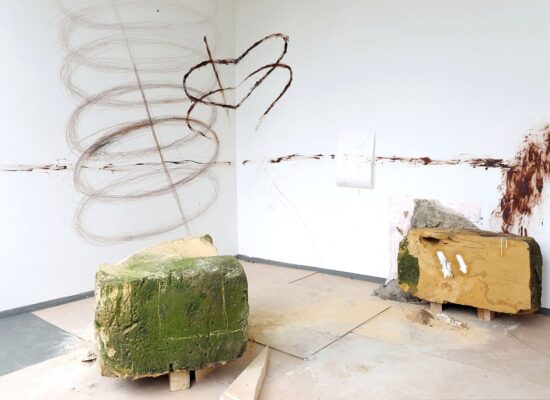
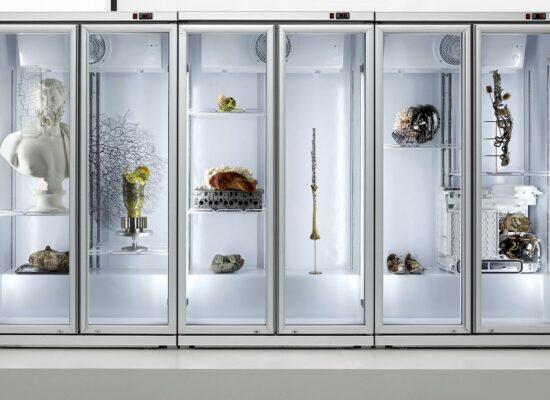
I’m drawn to enigmatic characters, outlying places or fringe practices that hint at the possibility of things being different from what we’ve come to expect. Through immersive installations, films, and mixed-media works, I blur the boundaries between reality and imagination. By merging elements of documentary and abstract art, my works comment the cultural constructs that shape our understanding of the world, and challenge viewers to embrace ambiguity.
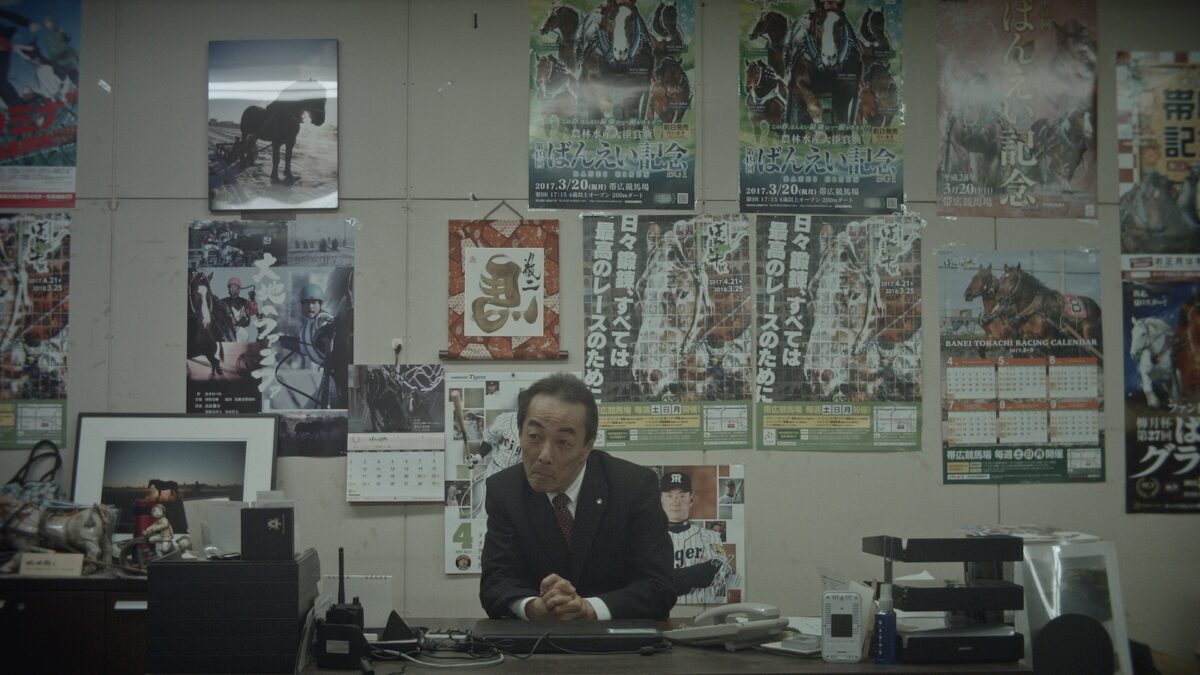
Which question or theme is central in your work?
The universe is a web.
And every thread eventually intertwines with all of us. The questions I explore shift with each passing day and project, but what remains constant is my reformulating of them into questions that resonate with me and reflect my identity. Having migrated from Peru to Europe, I often return to the tension between my youthful idealization of the West and my adult understanding of the imperialist structures that support it. Additionally, as part of a generation that has witnessed the rise of technology and the internet, my work frequently interrogates the influence of capitalist forces—how they shape us, and how, at times, they subtly reside within us.
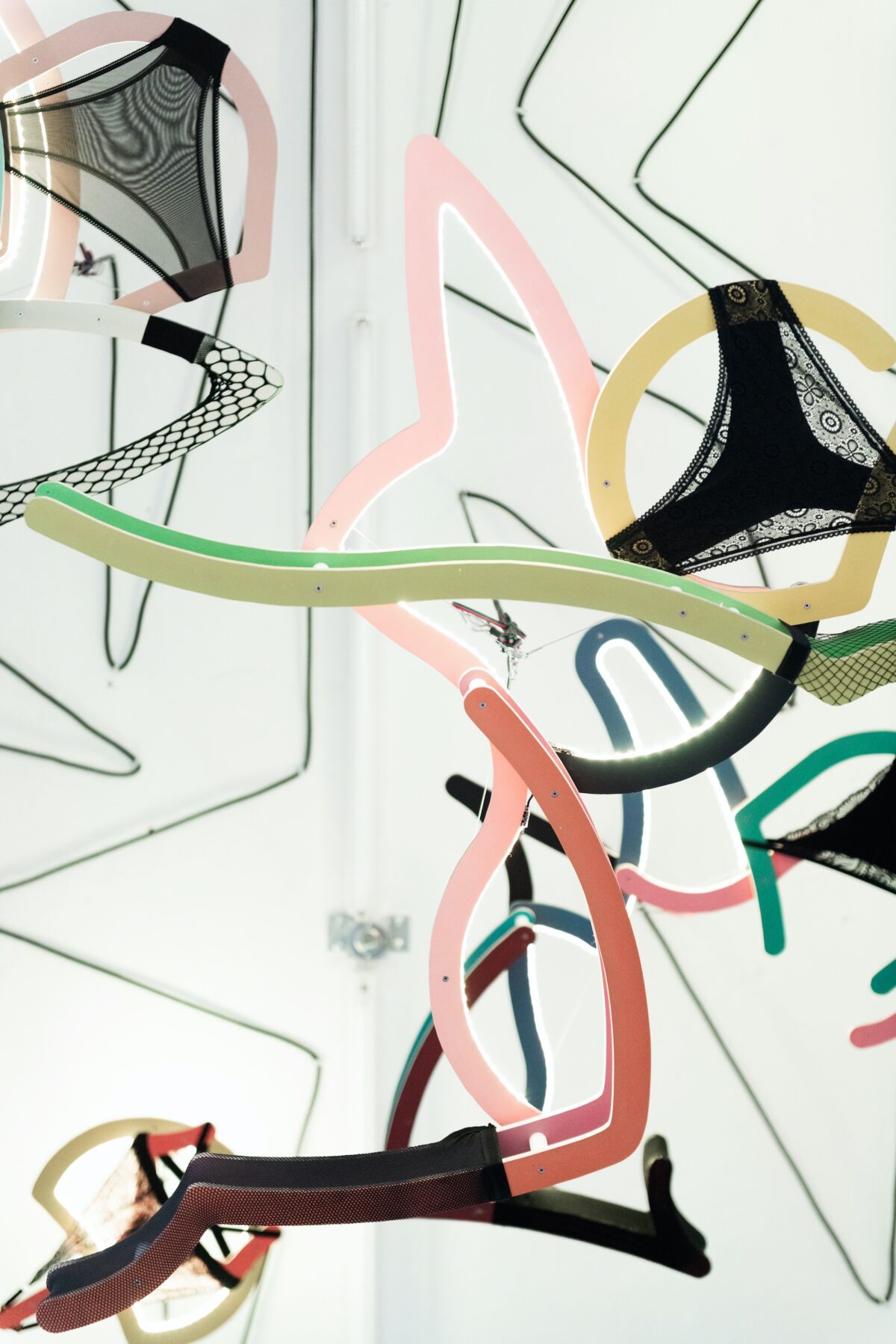
What was your first experience with art?
Seeing a Robert Motherwell painting in person.
I was exposed to art from a very early age, so it’s hard to pinpoint my first experience, but that’s one vivid image that colossally struck me when I was a child, and that I now associate with enjoying art before truly understanding what it is. Later came a book of drawings by Roger Dean, David Lynch films, and MTV with music videos by Michel Gondry and Spike Jonze—all of which inspired me more consciously to pursue a creative path.
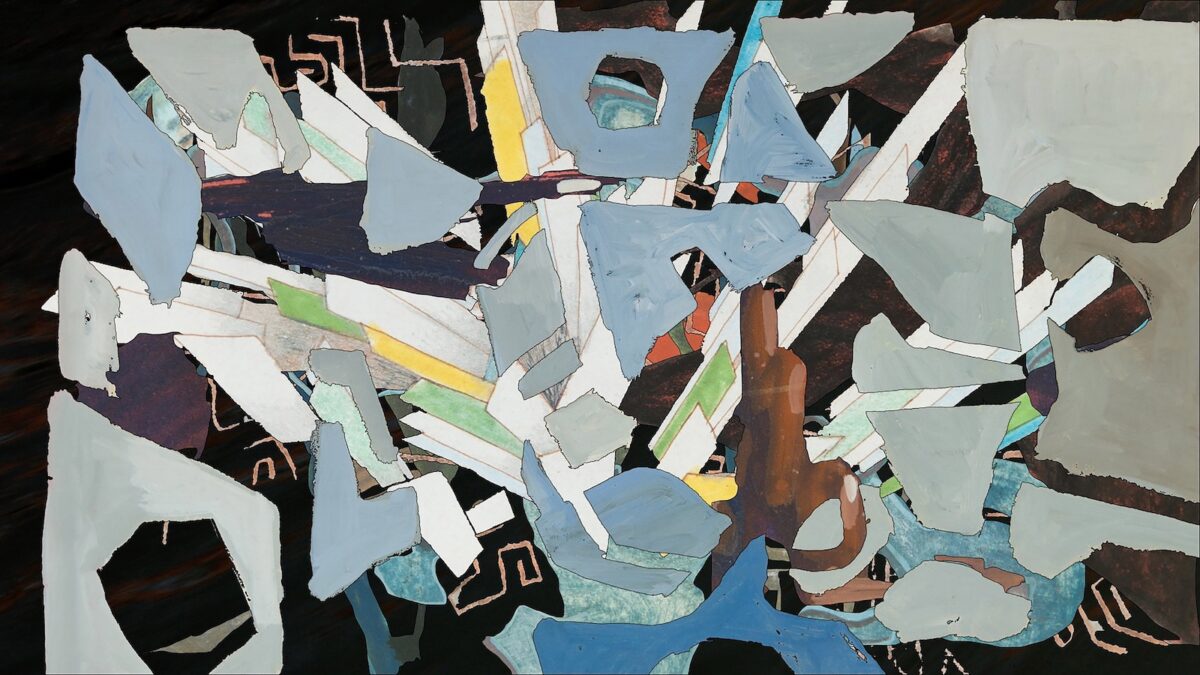
What is your greatest source of inspiration?
Reality surpasses even the wildest of fictions.
I’m endlessly inspired by the outlandishly strange creatures we all are: humans. Every aspect of our being—psychological, social, political, and animal—fascinates me, and I can’t stop wondering about the next layer beneath what we outwardly present. Paying close attention to people’s actions, thoughts, memories, and the images they project is an act towards connecting with their human condition.
What do you need in order to create your work?
An idea.
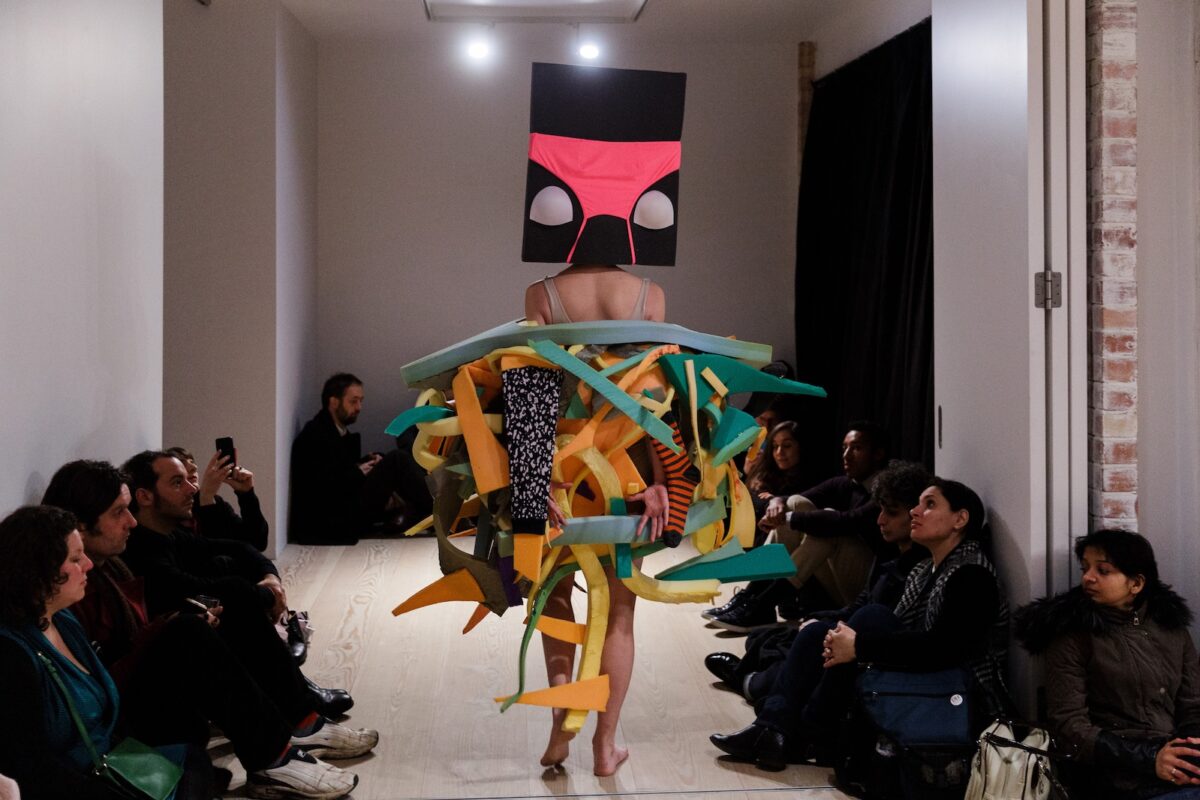
It’s not much, but it’s also a lot if it has to be great. From there, the tools are just that: tools. And the fewer the choices, the greater the freedom. In fact, putting limitations on my own production mechanisms is something I tend to do deliberately. It’s like setting up a game for myself—a limited number of shapes I can use to design a sculpture, a single lens I can put on my camera, a single angle I can shoot from, a predefined sentence structure I need to fit words into when writing a script. And of course every project will require coming up with new such rules.
What work or artist has most recently surprised you?
I recently came across Iván Argote’s film La plaza del chafleo (2019).
In this 15-minute film, he playfully imagines possible meanings for the made-up verb ‘to chaffle’. Argote inventively uses the word to articulate visual documentation of various recent performance projects, which in different ways make reference to post-colonial global structures and urban disappointments.