Based in Amsterdam and Berlin
Website https://izakoczanowska.com
Research project Ugly Beach
Location Piet Zwart Insitute, MIARD, Rotterdam
Can you describe your research project?
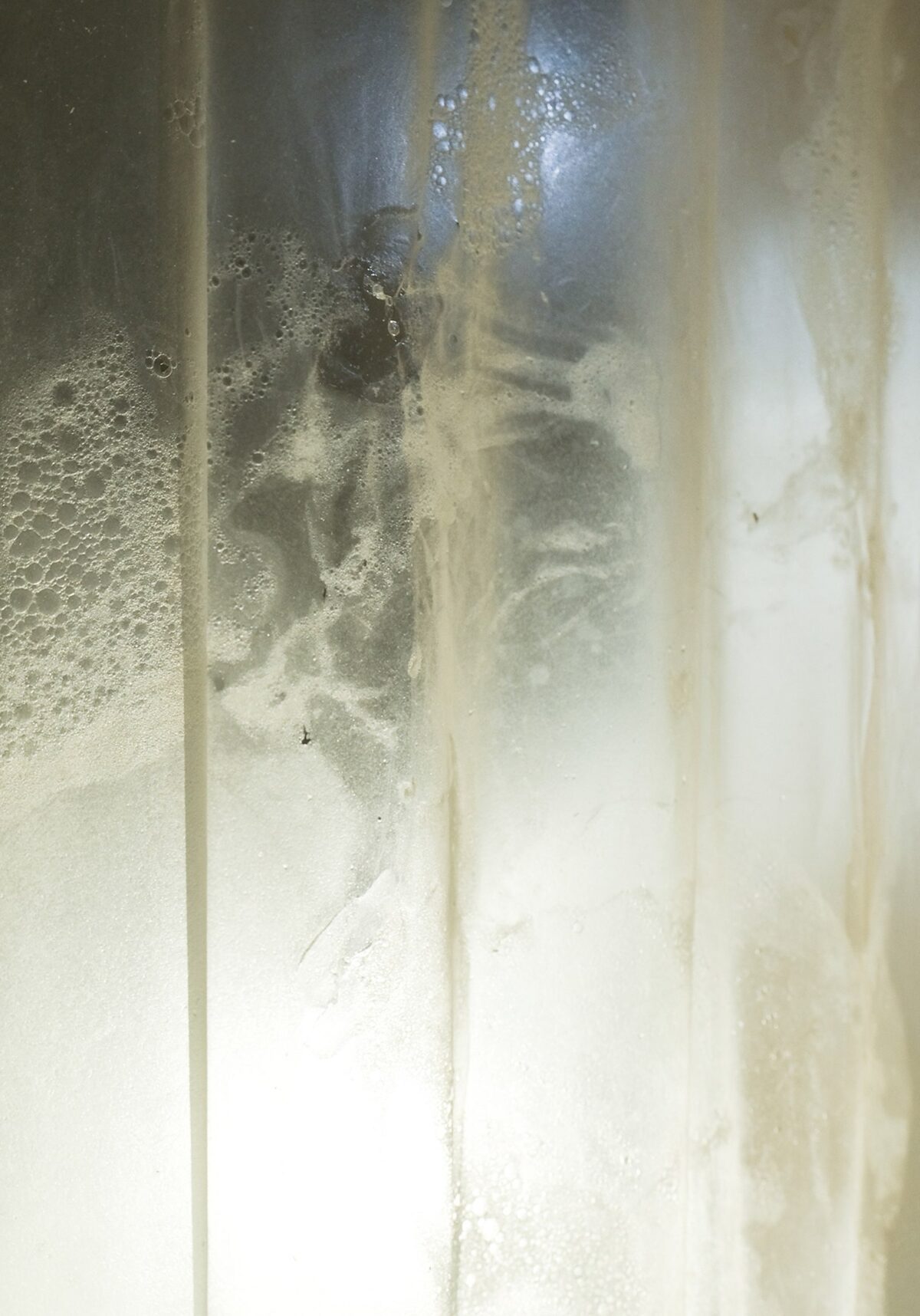
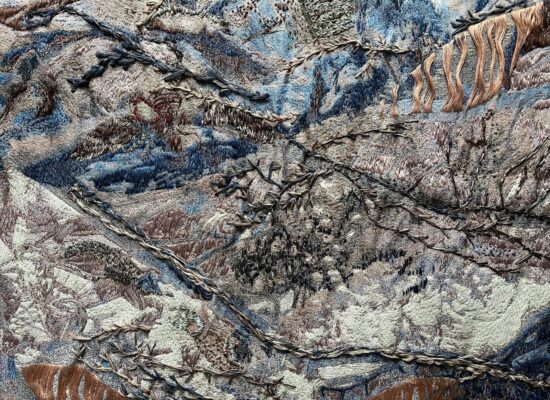
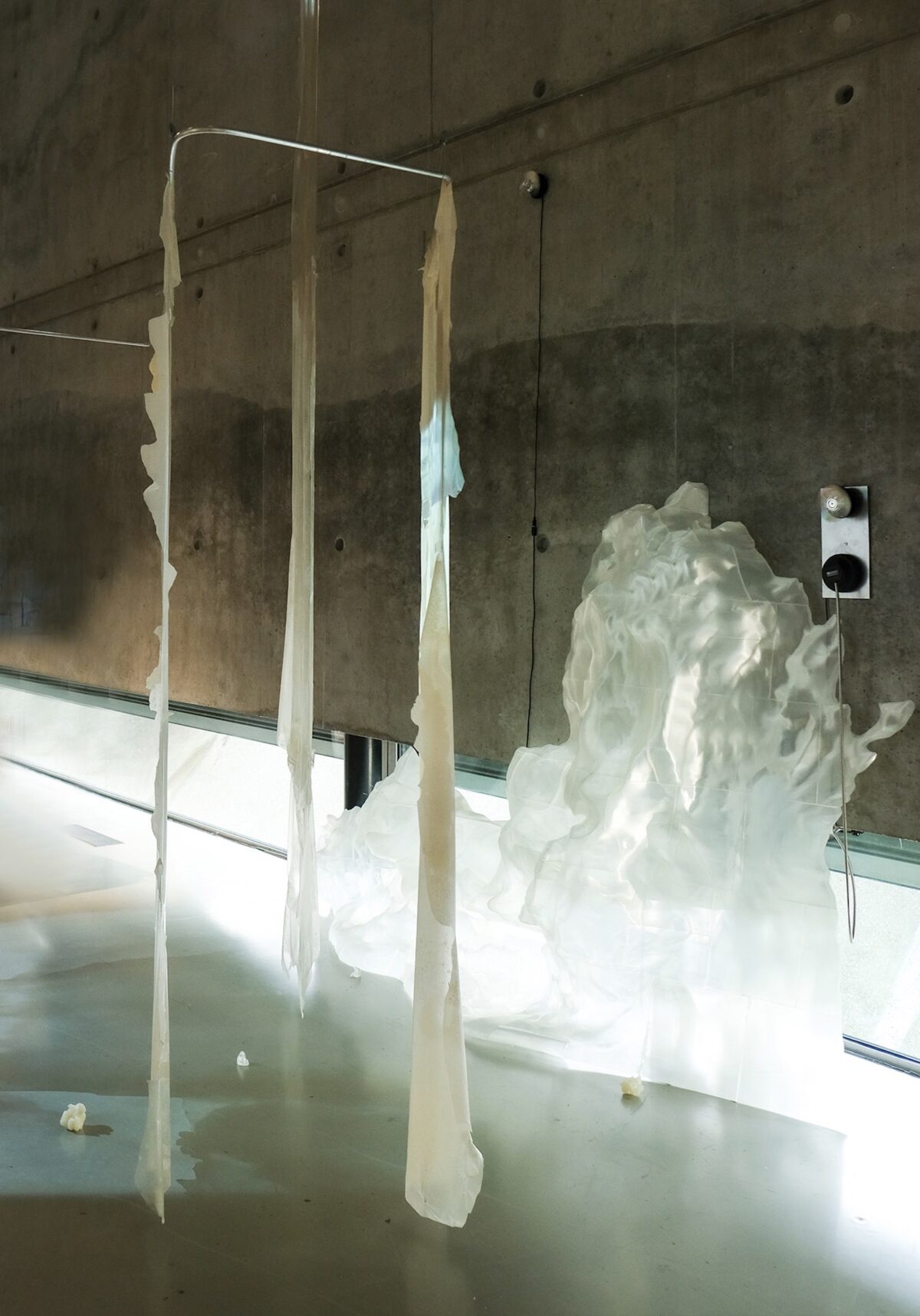
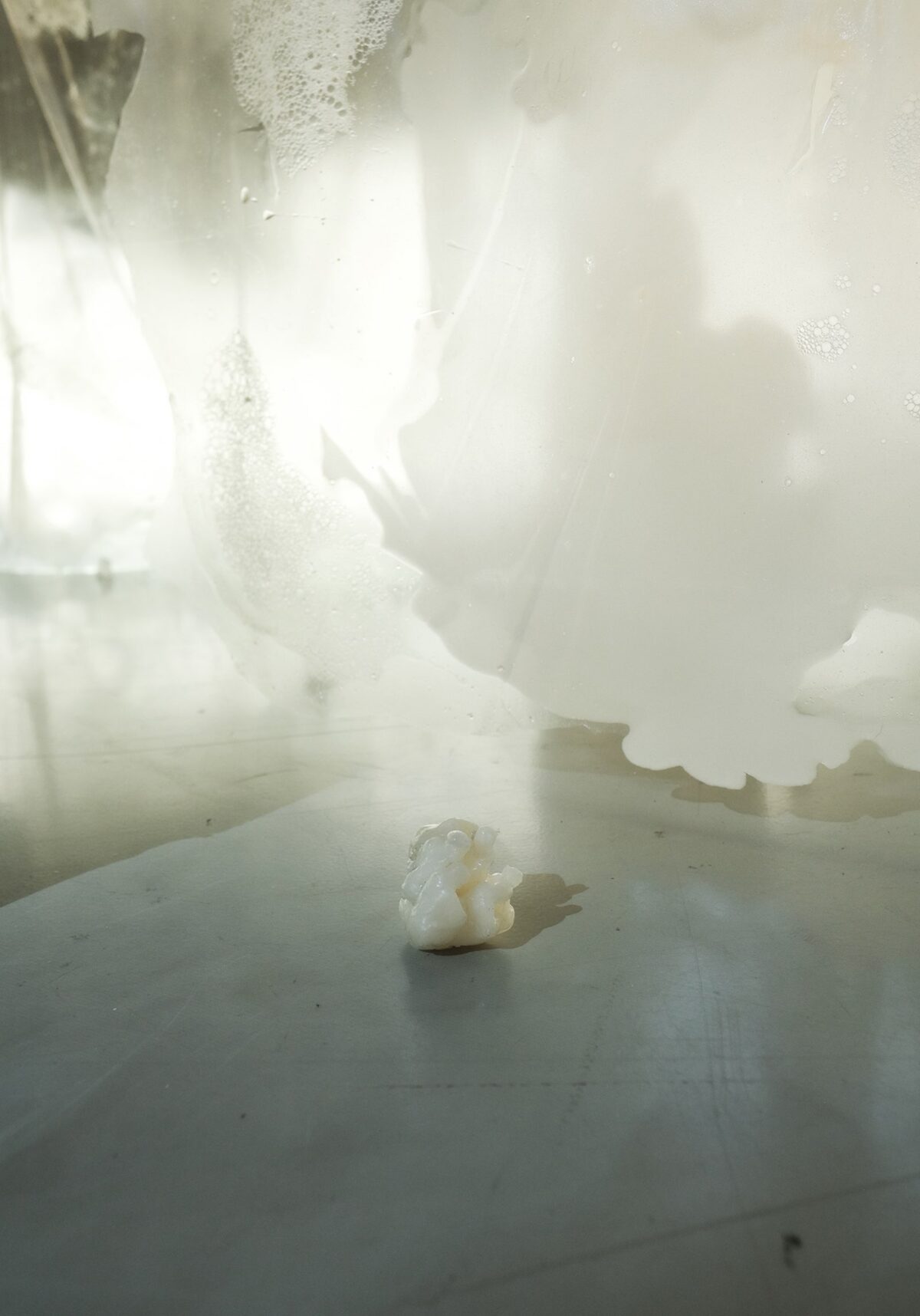
The research investigates coastal landscapes as complex, unstable, and politically charged systems. Sea foam serves as both a medium and conceptual tool: it is engaged practically through large-scale bio-material assemblages using North Sea water and biopolymers, and theoretically as a marker of instability, relationality, and transformation. Over several months, I worked with bio-materials stretching several meters, observing how their shifting forms mirrored the fragility of these environments, while in parallel I conducted theoretical research reflecting on ecological processes and pressures from extractivism, mass tourism, and postcolonial exploitation.
Inspired by yellowish sea foam in The Hague, the project challenges dominant beach aesthetics shaped by mass tourism and media, which reinforce expectations of the landscape. Foam, both material and parable, resists control, aligning with Édouard Glissant’s notion of opacity and refusing postcard-perfect imagery. Its formless, uncanny appearance and chemical traces in the sea offer an alternative discourse, quietly questioning idealization, appropriation, and extractive treatment of landscapes, human labor, and natural phenomena.
Sea foam functions as an active participant. Its ephemeral, uncontrollable qualities foreground vulnerability, temporality, and the passage of time, evolving, drifting, and resisting containment. The work operates between observation and intervention, where materials enact relations rather than remain fixed, registering the dynamics of place, climate, and human activity materially.
Part of the research involved time spent on beaches and interacting with them, including scanning human bodies that became part of a virtual environment, a walking simulator filled with bodies of varying proportions, projecting a speculative, satirical image of the beach where human presence spreads massively across the unstable landscape. The qualities explored in Ugly Beach reclaim imperfection, revealing hidden ecological, social, and political systems beneath idyllic beach imagery. Through this approach, sea foam becomes simultaneously site, medium, research, and artwork, exploring relational and alternative modes of engagement with coastal spaces.
Why have you chosen this topic?
I have chosen this topic because I am deeply interested in the complex and politically charged dynamics of landscapes. By working in different locations, I investigate alternative modes of inhabitation, co-existence, and agency within environments shaped by social, economic, and ecological pressures.
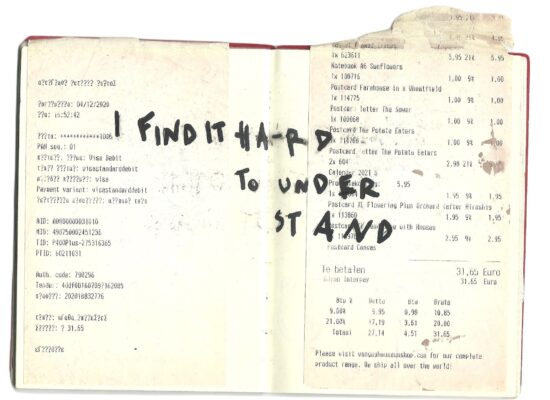
This personal and theoretical interest is intertwined with my childhood experiences. My mother often recounted visiting the French Riviera during the communist era while pregnant with me, imagining an idealized seaside paradise where I was meant to be born. These stories, repeated over decades, shaped my perception of beaches as spaces of perfection, serenity, and detachment from the complexities of life, images that always felt both alluring and uncomfortable. Over the years, repeated exposure to tourist destinations and the commodification of coastal spaces made me acutely aware of the tension between idealized imagery and lived realities, including displacement, inequality, and environmental degradation.
My engagement with North Sea beaches, particularly an unexpected encounter with yellowish, trembling sea foam in The Hague, crystallized this inquiry. The foam’s instability, unpredictability, and strangeness disrupted the postcard image of the beach, prompting me to explore it as both a material and conceptual tool. Similarly, in Greece, where I spent months observing the impacts of mass tourism and the displacement of local communities, I witnessed firsthand the commodification of the shoreline, reinforcing my interest in studying beaches not as idyllic spaces but as sites of layered inequalities, exclusion, and environmental precarity.
Through this combination of personal experience, field research, and theoretical reflection, I decided to explore the complex and unstable realities of coastal landscapes and confront the hidden social, political, and ecological dynamics that shape them.
What research methods do you use?
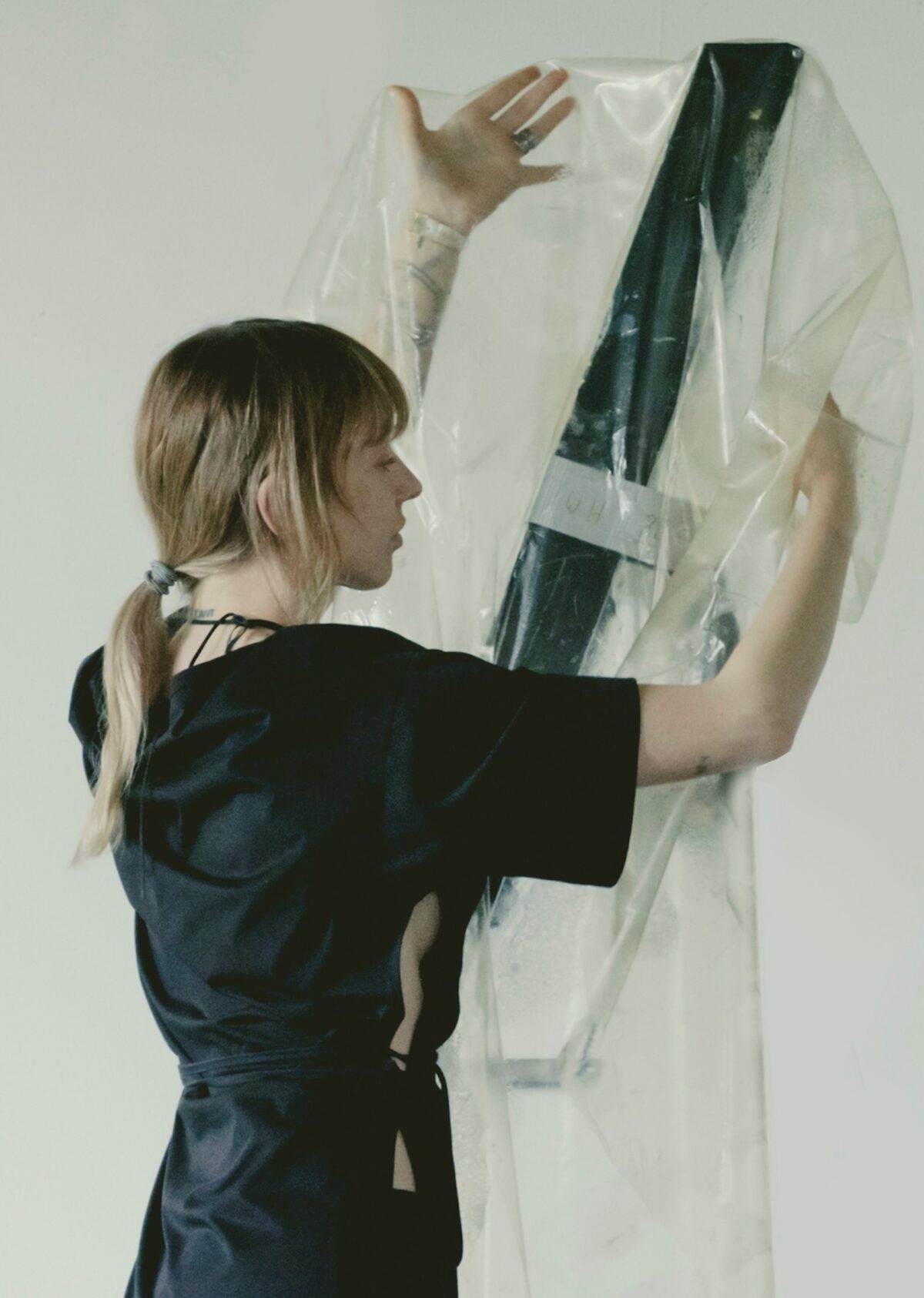
My research combines fieldwork, material experimentation, and theoretical inquiry. I conduct site-specific studies, spending extended periods in coastal landscapes, observing environmental processes, human activity, and sociopolitical dynamics. This involves collecting materials such as sea foam and North Sea water, and working with large-scale bio-material assemblages incorporating biopolymers to explore instability, transformation, and relationality in matter.
In parallel, I engaged in theoretical research, drawing on postcolonial and relational frameworks, particularly Édouard Glissant’s notion of opacity, to understand the social, political, and ecological dimensions of landscapes, including tourism, displacement, and land commodification. I also investigate historical and contemporary patterns of inequality, extractivism, and multi-species cohabitation to situate my practice within broader systemic contexts.
Finally, I employ experimental methods, including scanning, digital modeling, and immersive or virtual environments, to simulate human interaction with coastal spaces and explore speculative scenarios.
In what way did your research affect your artistic practice?
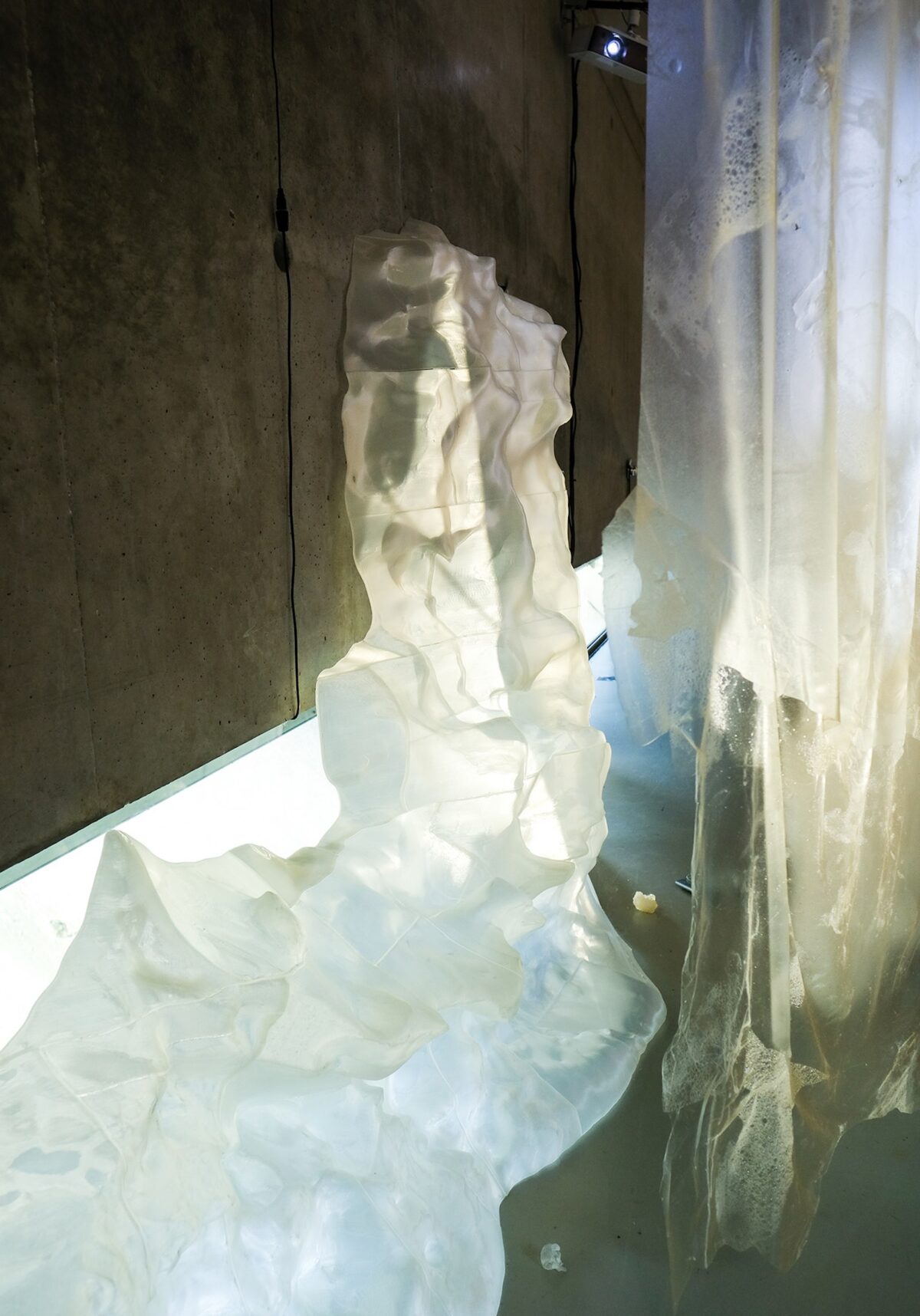
My research significantly reshaped my artistic practice, shifting it toward a more critical investigation of material culture and a process-driven engagement with matter. Instead of treating materials as stable forms, I began working with them as dynamic systems, unstable, relational, and responsive to context. This shift moved my practice away from object-centered production toward material processes that unfold over time and in relation to specific environments.
At the same time, my work evolved in a distinctly sculptural and spatial direction. I began constructing installations sculpturally, considering space as an active component rather than a neutral container. Technologies became extensions of the maker, tools through which I test spatial structures, build interactive and virtual environments, and speculate on alternative modes of inhabitation. These systems allow me to engage more precisely with the ecological and sociopolitical conditions of the local contexts in which I work.
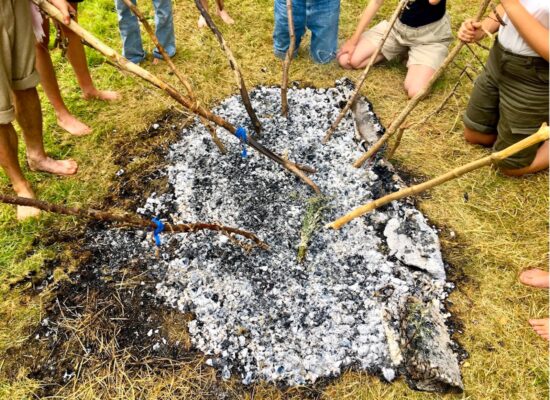
Through this research, I deepened my focus on unstable land dynamics, tourism economies, extractivism, and postcolonial entanglements, both within Western imperial histories and Eastern European transformations. My methodology increasingly includes performative and site-sensitive interventions, such as reclaiming dispossessed land, entering abandoned or restricted spaces, or working with Eastern European sanatoria and their hauntological residues of collective life. These relocations are not merely settings but structural elements of the work itself.
What are you hoping your research will result in, both personally and publicly?
Personally, this research has given me a strong sense of purpose. It confirmed the importance of writing, researching, and speaking about land dispossession, ownership, and postcolonial entanglements, also within the context of Eastern Europe, where I come from. Engaging with these themes has become a way of understanding the systems that shape both landscapes and identities. It has gradually defined my artistic direction, grounding it in social and environmental issues, and in the ongoing injustices affecting land, communities, and non-human beings.
Publicly, I do not expect my work to directly change policy. Rather, I hope it can shift sensitivity. I aim to create situations in which viewers reconsider their relationship to land, tourism, and systems of ownership without feeling accused or morally judged. These are delicate and complex matters, and I am aware that they can provoke defensive reactions. Instead of confrontation, I seek relational engagement inviting audiences to rethink rather than react.
I see this research as long-term and evolving. It motivates me to continue toward a PhD, to collaborate with others, and to investigate different territories through site-specific work. I want to further develop biomaterials, interactive systems, and virtual environments as tools to explore ecological and sociopolitical conditions. Ultimately, I hope the work contributes to a more attentive and critical way of inhabiting space, one that acknowledges layered histories, power structures, and the fragile coexistence of human and non-human life.