Based in Milan, Italy
Website https://zzzzzproject.com
Research project Aruspicina Futura
Location Institute for Postnatural Studies, Madrid (2023), Intermediae Matadero, Madrid (2023), Transmedia Research Institute, Fano (2023-24), VIR — ViaFarini In Residence, Milan (2024)
Can you describe your research project?
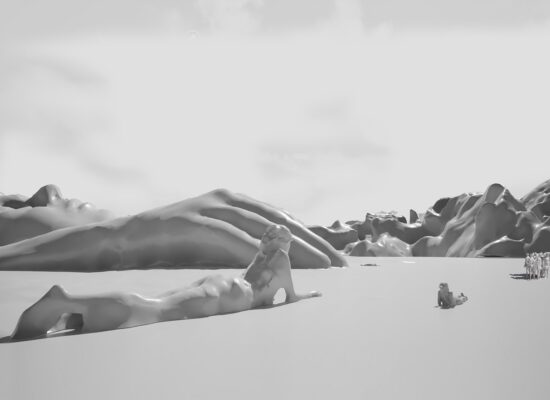
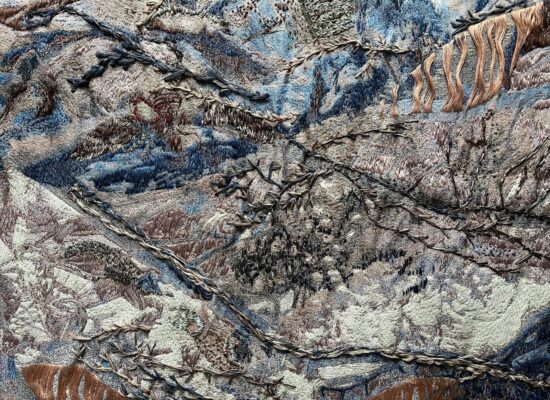
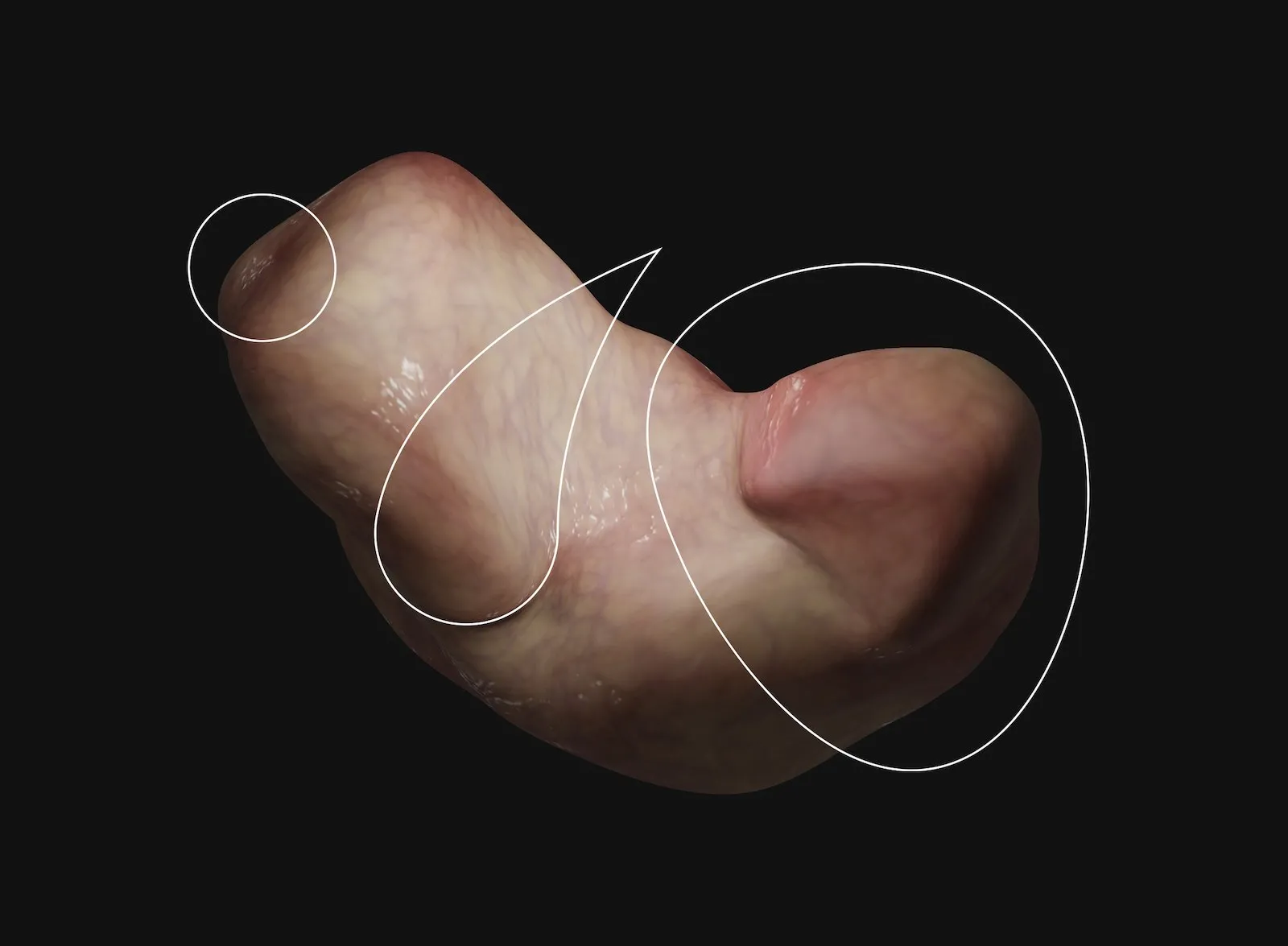
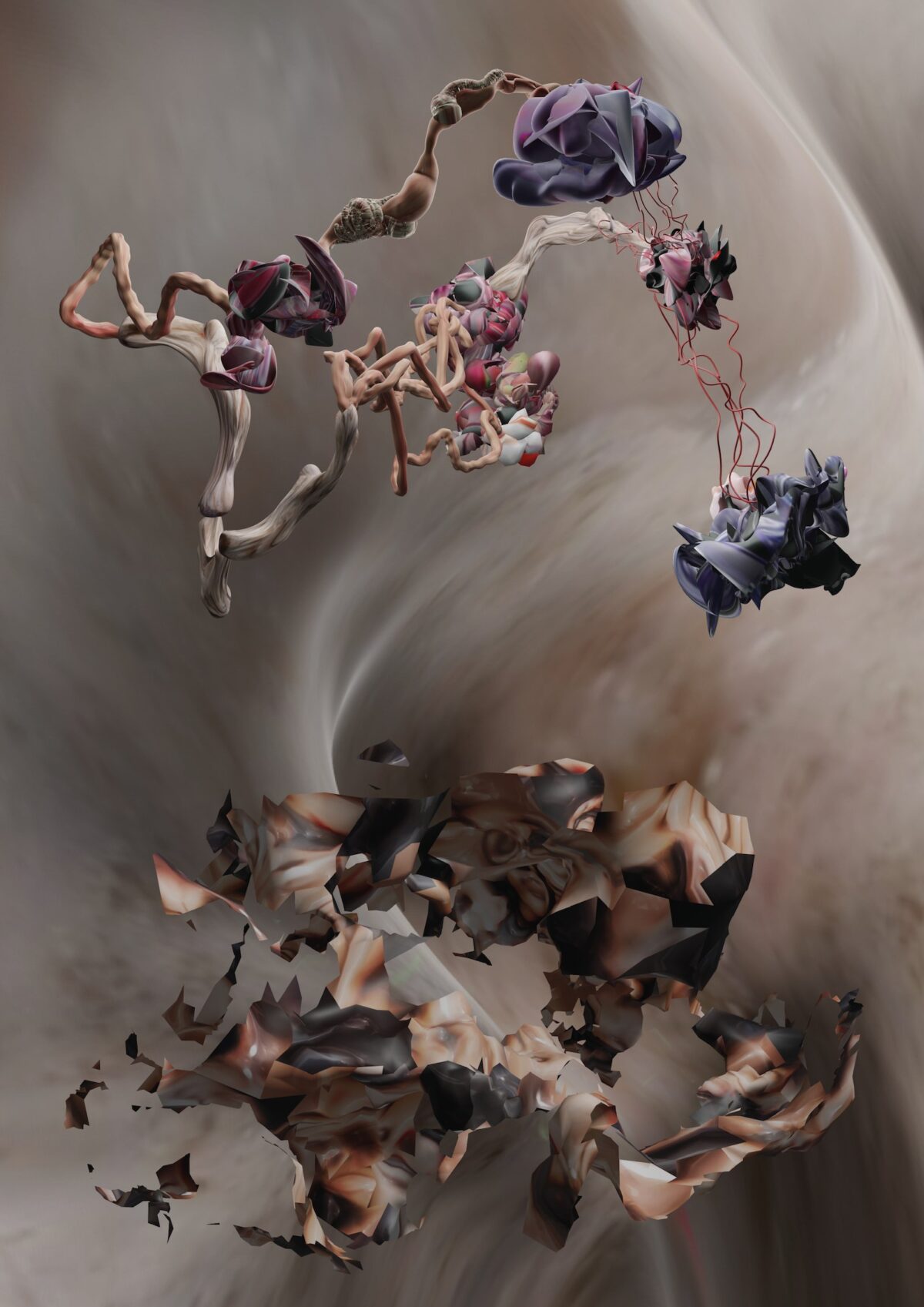
Aruspicina Futura works as an interdisciplinary, interspecies research that dissects and scrutinizes dead ecologies in order to foresee our shared future on planet Earth. The project addresses – and re-contextualizes – the relevance of haruspicy in utilizing theoretical models of organs as tools to expose and narrate ghostly paradigms of death and violence towards bodies and corpses, along with the implications such patterns have on the lives of human- and other-than-human-kinds. In doing so, the researcher becomes the haruspex itself who, by designing and displaying postnatural entrails to a public, unveils histories of extractive abuse perpetrated by humans upon other organisms, and enables new speculative narratives to reconcile our common existences within a shared necropolitical ecosystem.

Why have you chosen this topic?
I believe the topic(s) of death and necropolitics, of horror and (interspecies) violence still remain poorly explored, either in academic contexts so as in society, partly due to their taboo-ish and stigmatized history, and partly because to face such paradigms would mean to face our deepest fears (such as the fear of death) and underlying guilts. Dead bodies / cadavers / corpses / organs – not necessarily human or animal – along with every process / artifact / infrastructure that surrounds them all enshrine important histories, data and entanglements to our past, current and future existence. Is there a connection between the extinction of vultures, dakhmeh and the drugs we assume? What does a fat liver (foie gras) on a plate say about our relationships with ducks and gooses? How would considering the human body a product and extracting/selling materials from it affect the way we administer other species’ lives? Such are the questions that spark my interest in this field of research.

What research methods do you use?
My research approach works across both academic and artistic layers: this project, in fact, does stand as an ongoing archive of case studies, readings, reports, structures and processes related to such themes; on the other hand, the whole collection also works as a theoretical framework from which to develop new artworks with a critical and speculative approach.

In what way did your research affect your artistic practice?
When I started this research, I was trying to ground my practice to more tangible paradigms, and bound it to the real world – turn it into something I could eventually tie to other disciplines too – and that’s when I started to understand that maybe I could really set an academic route for my practice. My research taught me to not just observe and analyze death from a speculative point of view, but to open my methodology to new approaches and goals, with faith that other fields might benefit too from its insights.
What are you hoping your research will result in, both personally and publicly?
In the near future, I intend to open up my research and develop it as an interdisciplinary platform that sets up the bases for the creation of an ongoing collective archive. I plan to invite external contributors to add case studies / knowledge / insights / stories, thus creating a collaborative framework capable of bringing forward the idea that corpses and their insides may inform and narrate stories which the outer bodies can’t.
Personally, I would love to turn it into an editorial publication and curate a collective exhibition with other peer professionals — perhaps mostly because I’m a sucker for books and shows; though deep down I’m convinced these are better ways to reach a wider public, which is supposed to be the ultimate goal of this whole work.