Artists Irene Abello, Carmen Alves, Facundo Cerain Vazquez, Joshua Merchan Rodriguez, Fernanda Morgan, Línea Recta, Isadora Soares Belletti, Daniela Stubbs-Leví
Date 29.06.2024-20.07.2024
Curator Sebastián Quevedo Ramírez
Venue Air de Paris
THE WORLD
A man from the town of Neguá, on the coast of Colombia, was able to climb to high heaven. On his return he told the story. He said he had contemplated human life from above. And he said we are a sea of little fires.
—The world is just that —he revealed—, a bunch of people, a sea of little fires.
Each person shines with his own light among all the others. No two fires are the same. There are big fires and small fires and fires of all colors. There are people of serene fire, who don’t even notice the wind, and people of crazy fire who fill the air with sparks. Some fires, silly fires, do not light or burn; but others burn the life with such passion that one cannot look at them without blinking, and whoever comes close to them lights up.
Eduardo Galeano, 1989
A century ago, in 1924, the first Latin American art exhibition was held in Paris. It was the inter-war years, over 300 Latin American artists landed in the City of Light, and out of the frenzy of the Roaring Twenties sprang the first communities. Most of these artists were meeting on a daily basis for the first time: they attended free academies, shared studios, organized and participated in exhibitions, exchanged ideas in Parisian cafés and terraces… Relegated to the category of «other», subjected to a newly discovered identity that had been imposed on them and of which Paris had become the capital, Latin American artists navigated the French scene, trying to disengage themselves or, on the contrary, appeasing the exoticizing stereotypical expectations of European audiences.
What remains of the city’s Latin American presence? Can a Latin American artistic community exist today? And under what form?

To attempt to answer these questions, the exhibition turns to the figure and literary work of Eduardo Galeano, the great author of the Latin American question, whose still obscure Book of Embraces (1989), displays a highly original stylistic experimentation. Far from being woven, as is usually the case in the author’s other works, of a continuous discourse from beginning to end, the book is made up of short, scattered paragraphs, with almost no thread running from one to the next. Instead, they are ideas and reflections on a variety of subjects, ranging from metaphysical problems of being, the world and language, to the author’s personal dreams and memories. In the image of a Latin American history perceived as a «disconnected, broken, fragmented reality», Galeano employs fragmentation, not as a renunciation of wholeness, but rather as an attempt to create a plural, plurivocal consciousness. The exhibition echoes this singular literary structure, imposing no prior thematic framework and eschewing any desire to homogenize identity in order to celebrate the diversity of converging identities in Paris. A community can exist without denying the individuality of its members.
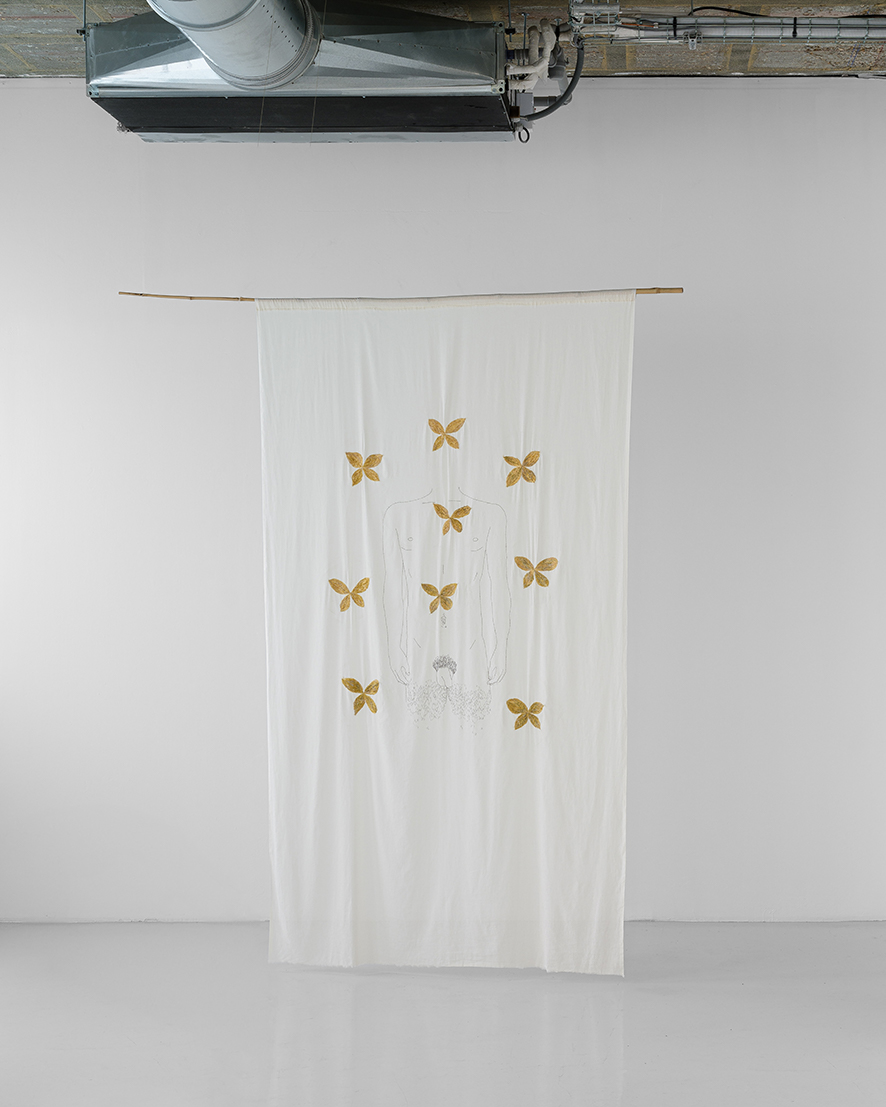
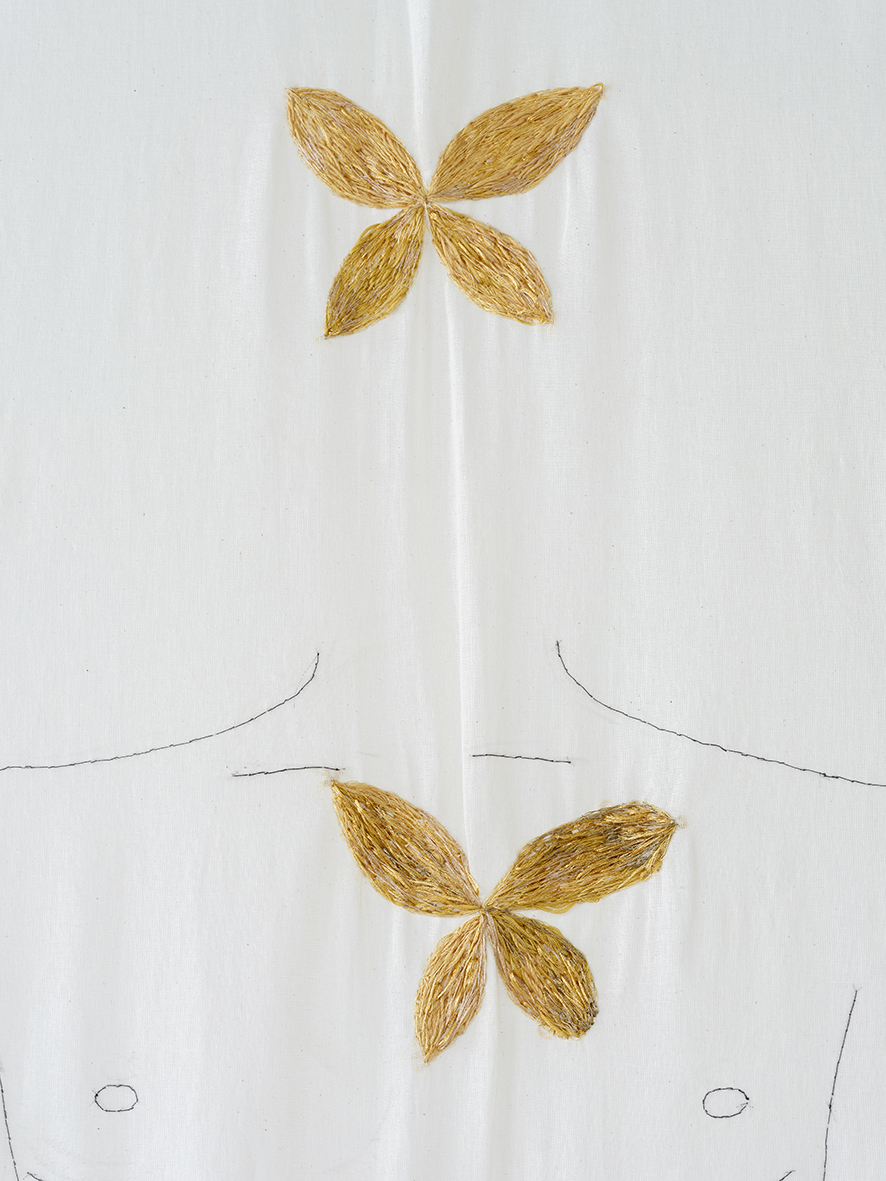
As its title suggests, the Book of Embraces is interspersed with micro-tales about the physical and emotional bonding of individuals and, more broadly, about «the loving notion of collectivity». Galeano denounces the close relationship between capitalism and the resulting disintegration of community values. According to him, «individualism is the great driving force of the market», whereas «community is the oldest tradition in the Americas, the most American of all». Returning to this origin, the exhibition is the result of a collective process triggered by the curator’s invitation of a first artist, who in turn called upon a peer, and so on.
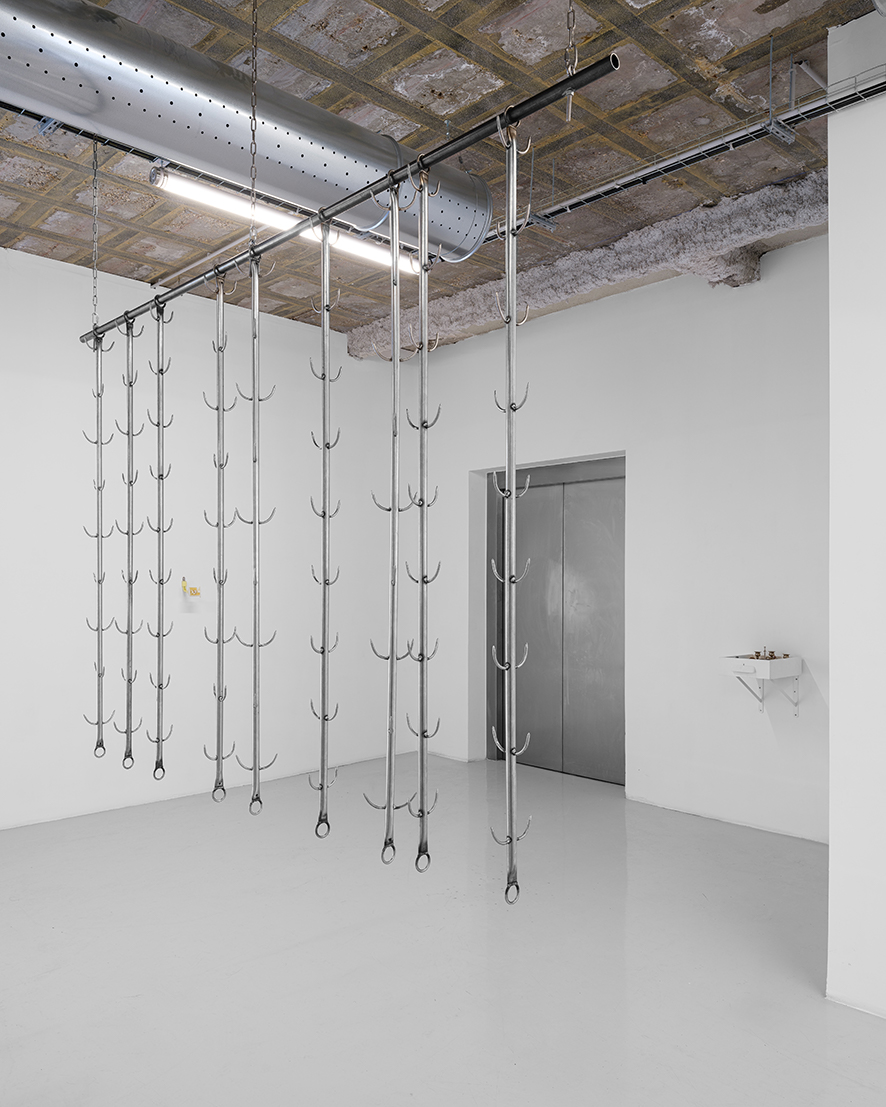
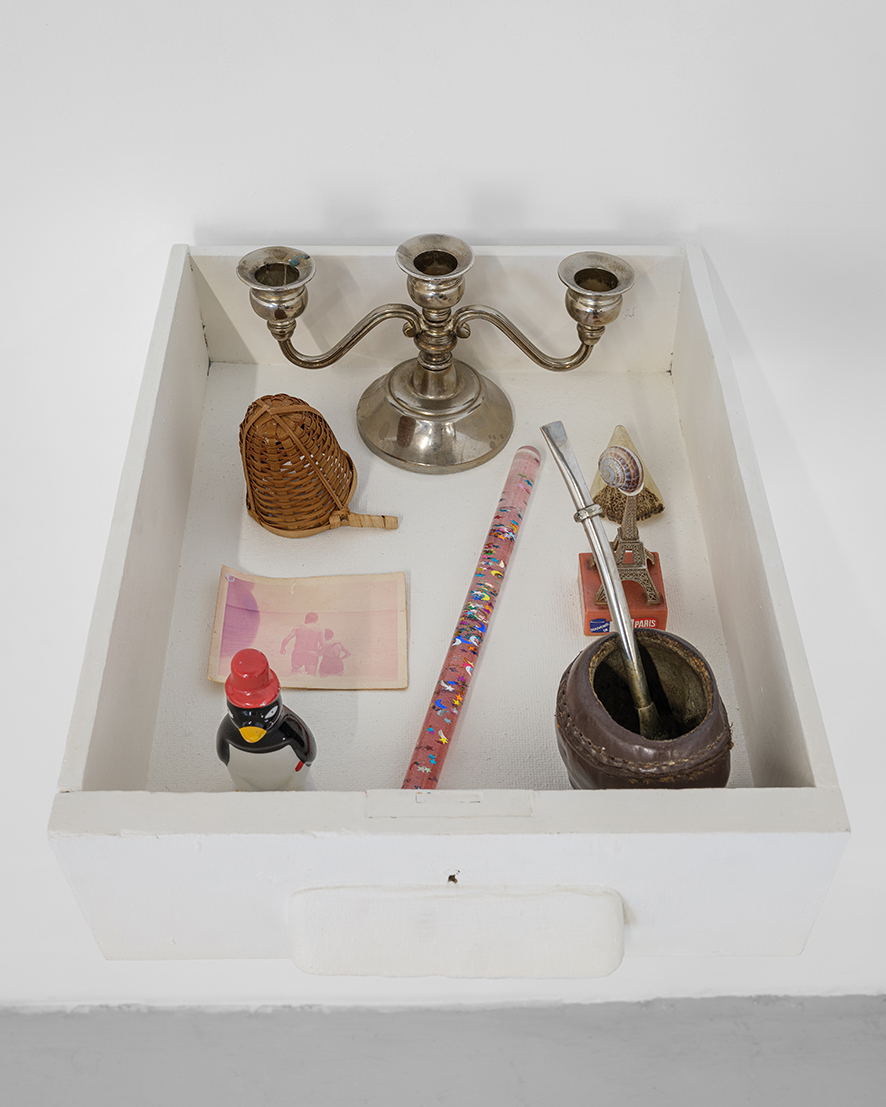
The eclectic collection of works presented on this occasion is not intended to offer a didactic commentary on themes so frequently associated with Latin American art, such as political activism, pre-Columbian mythology or imaginary, immigration or exile, but rather to reveal the existence of a network built on the durability and solidity of friendship and love. Through the use of signs and fragments, a reduced vocabulary and palette, the exhibition privileges the personal narrative as well as the analysis and observation of the immediate surrounding environment, which is lyrically exalted and ultimately transfigured into a poetic proposition by the artist.
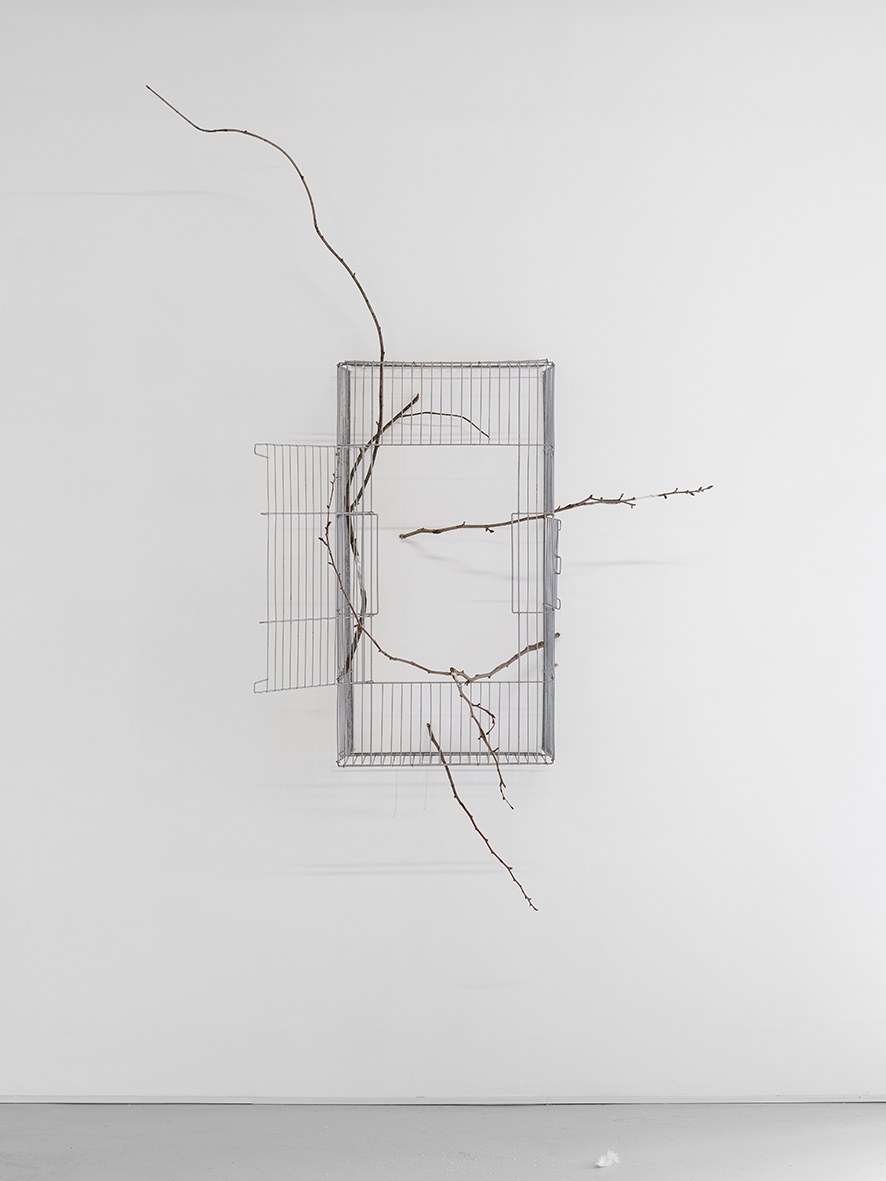
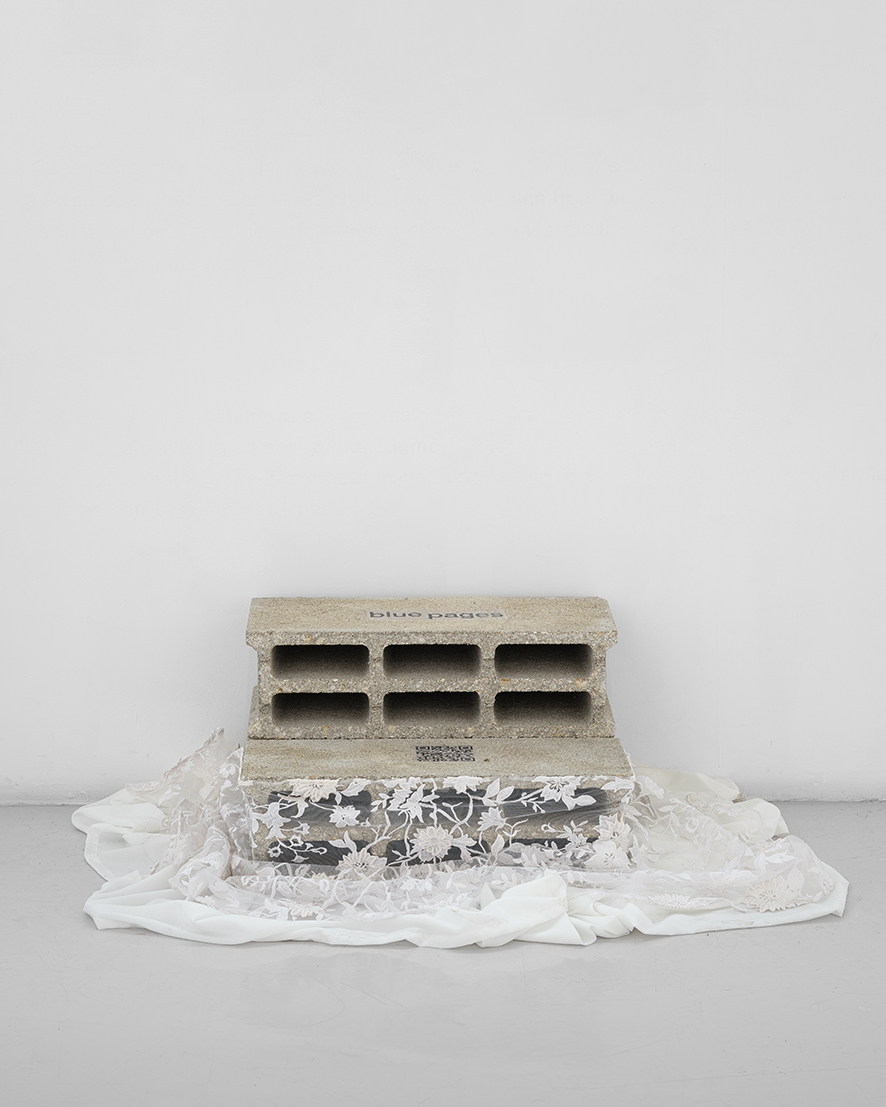
The exhibition is shaped according to the image of the world conceived by Galeano, where the artists, unique little flames, have set each other’s lives ablaze with intense desire, hoping that the viewer will approach their work and catch fire themselves.